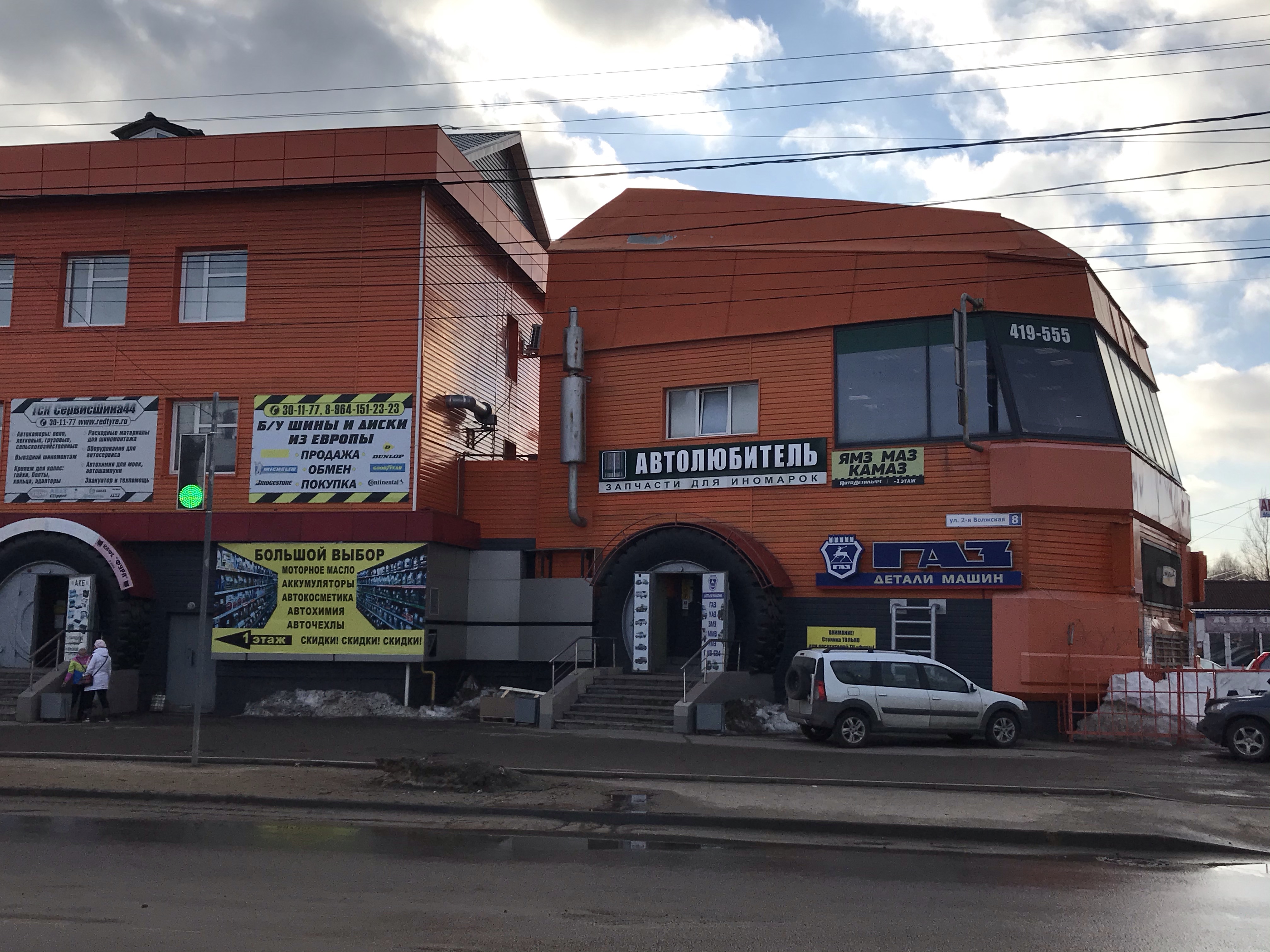
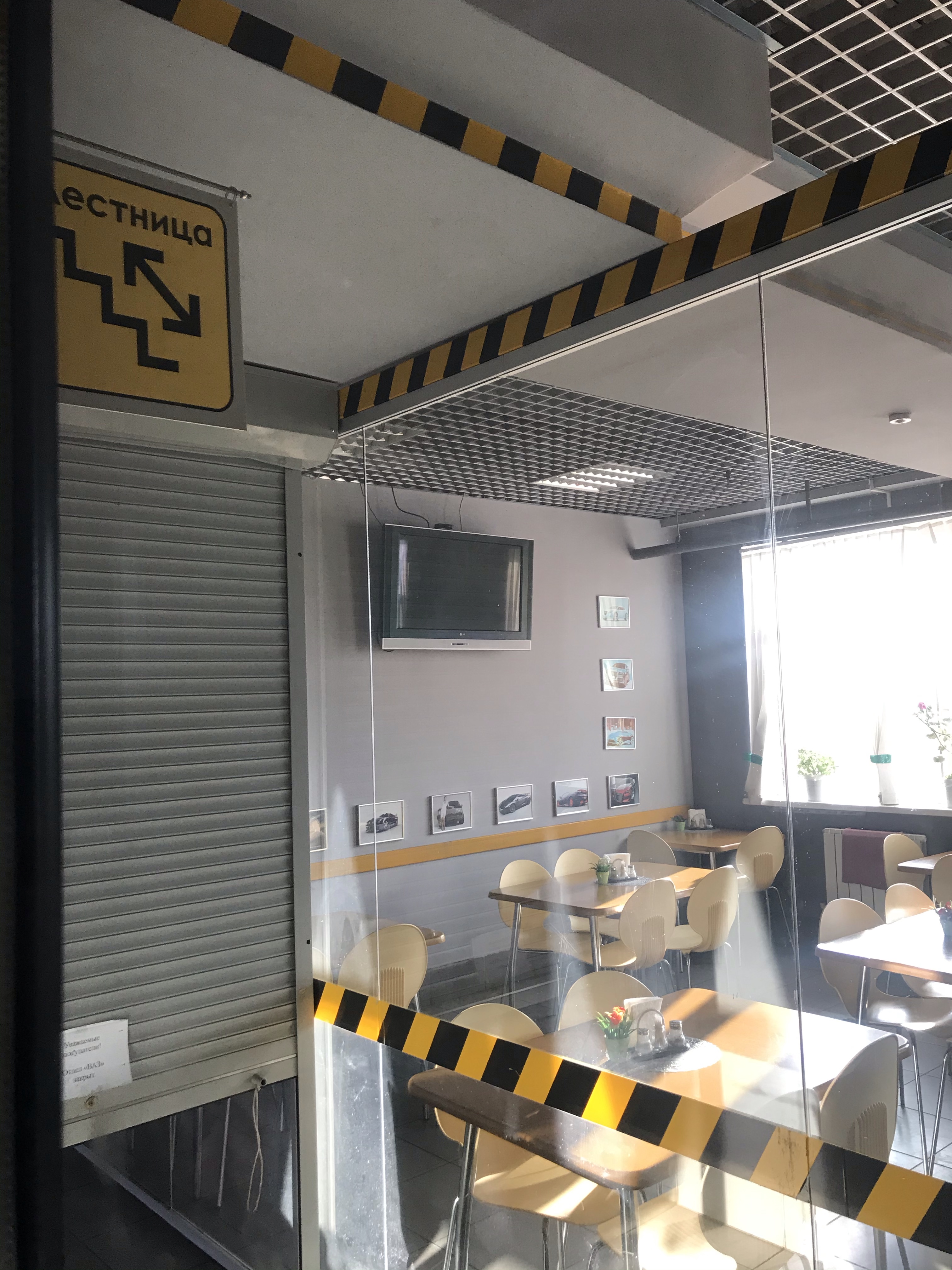
On the south eastern fridge of the Russian city of Kostroma, just across the railway from Chernorechye district, one finds a lively automotive hub stretching along the 2nd Volzhskaya street. This is the headquarters for buying, servicing, destroying, registering, deassembling or ‘pimping’ Kostroma’s four-wheeled inhabitants. Here, one is overwhelmed by the amount of institutions and enterprises associated with these activities. This area is crowned by the Foora (Fura? lit. Lorry) shopping centre: a three storey literal representation of a lorry in the finest traditions of the Longaberger Company’s ‘Basket’, The Big Duck Building, or various symbolic commercial structures described by R. Venturi and D. Scott Brown in Learning from Las Vegas (1972).

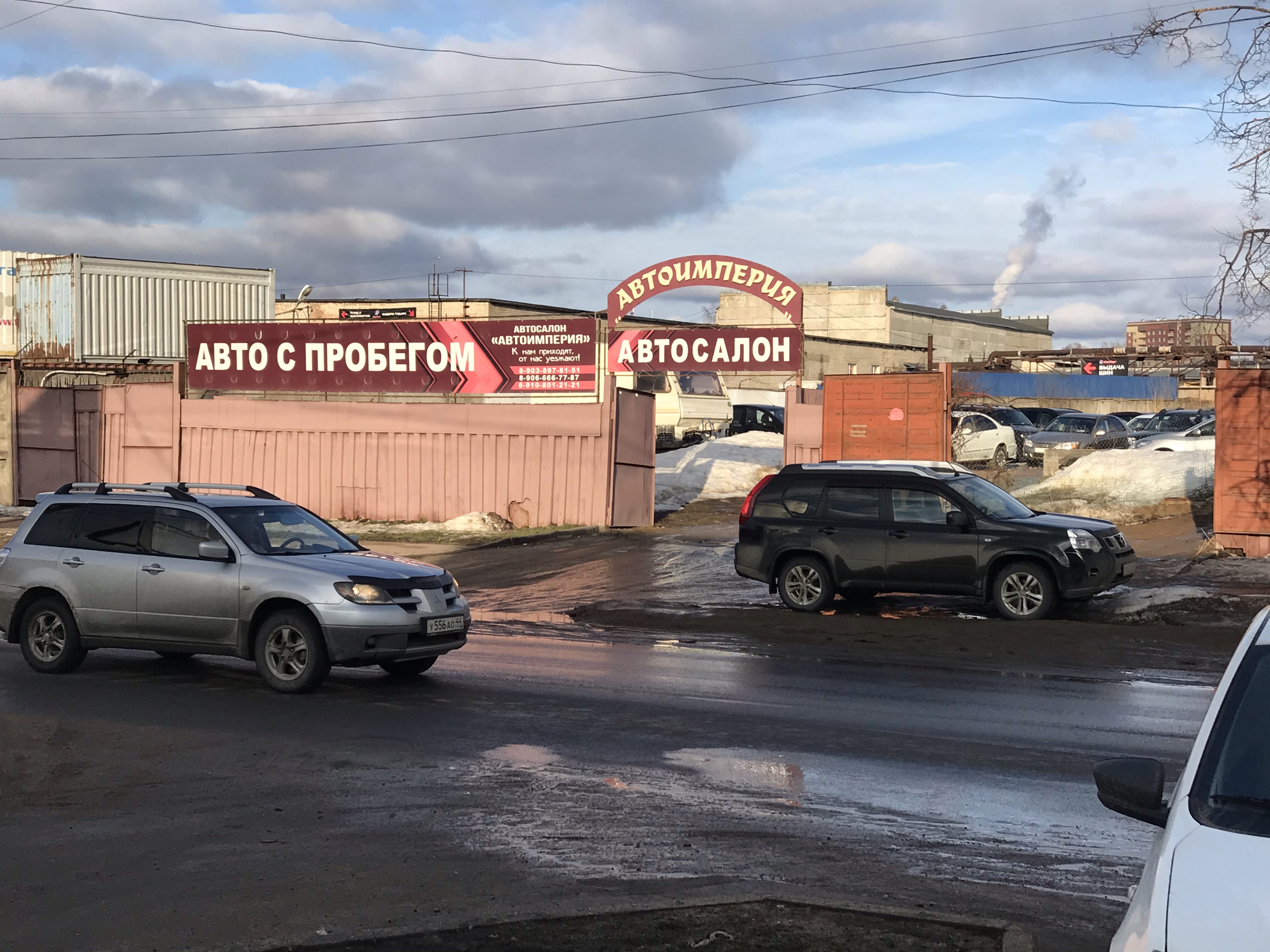
Around this daily celebration of automotive lifestyle one comes across its various echos. Car servicing stations, gated garage cooperatives, sporadic garage clusters, innumerable shops and semi-official resale points generate communities and ways of life illustrative of contemporary Russian culture.
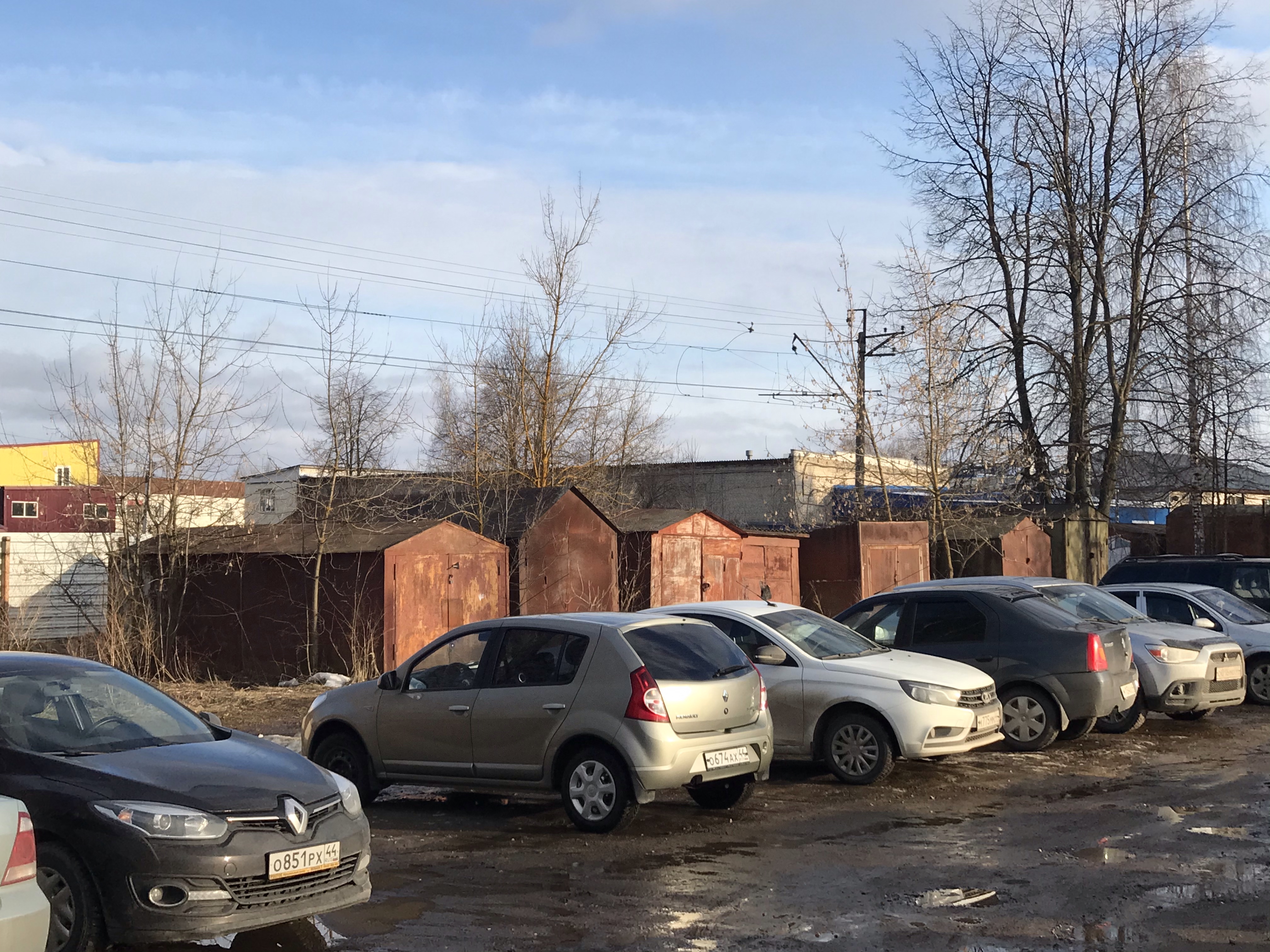
The phenomena of an individually standing Russian garage in itself deserves some attention. Typically conceived as unheated metal sheds these can be arranged into neat lines or chaotically scattered across residential or semi-rural zones. Positioning and ways of construction sometimes make one doubt the clarity of engineering logic or ownership rights behind such structures. The purpose of these structures can be more diverse than expected. Initially created for storing vehicles, the garages serve for storing domestic clutter, experimentation in amateur construction, car repairs (in the widest and wildest sense) and most importantly for human interaction (usually male-dominated and drink-accompanied) .
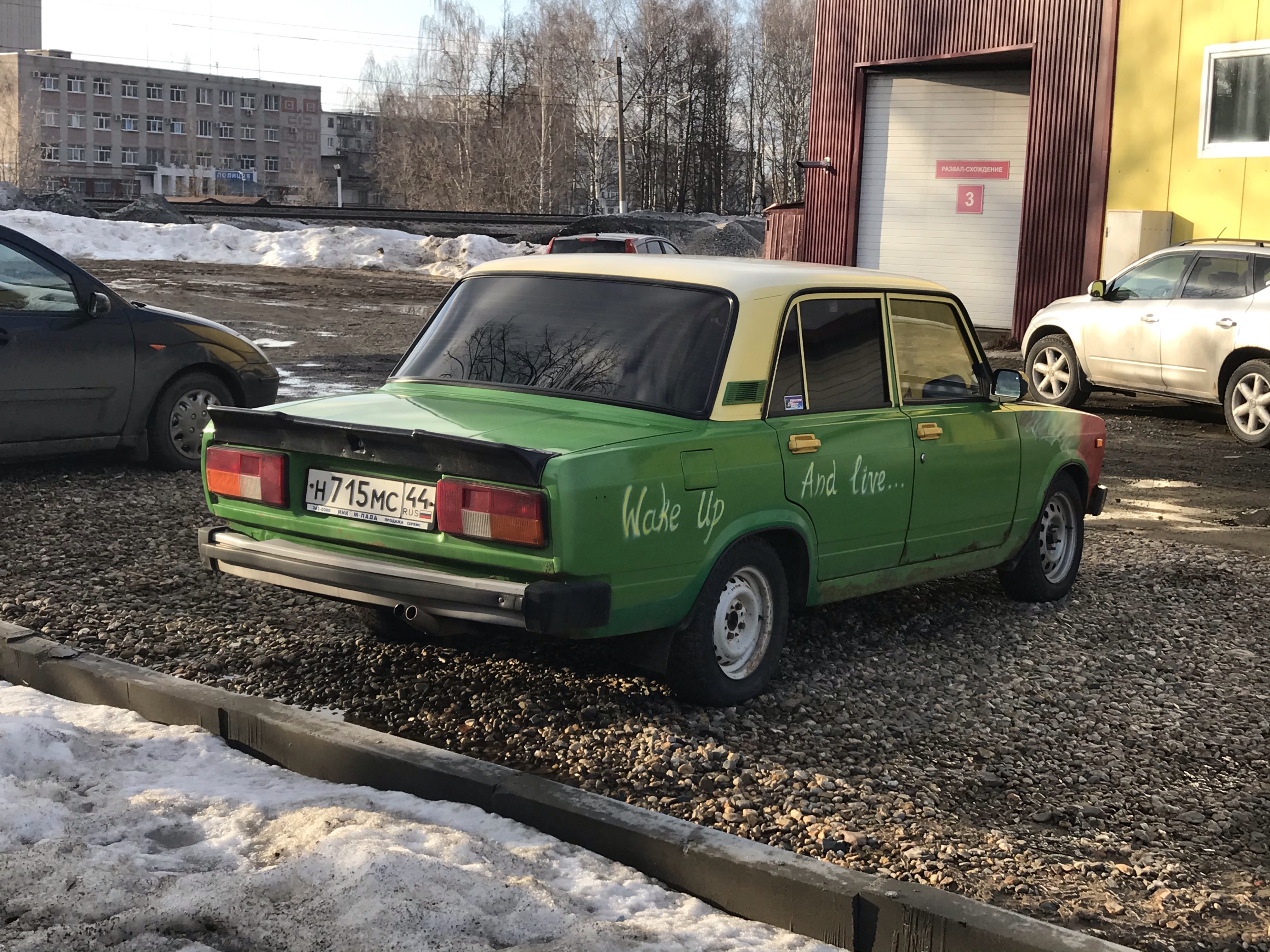
When considering what does it mean for a Russian to own a car (with or without a garage) one should not see it merely as a comfortable means for getting from A to B. One should think of the ‘restless Troika, the impersonated extension to the body of an average well-to-do Russian urbanite.


Colorful and interesting descriptions! Thank Mark for the incendiary literature job!
LikeLike