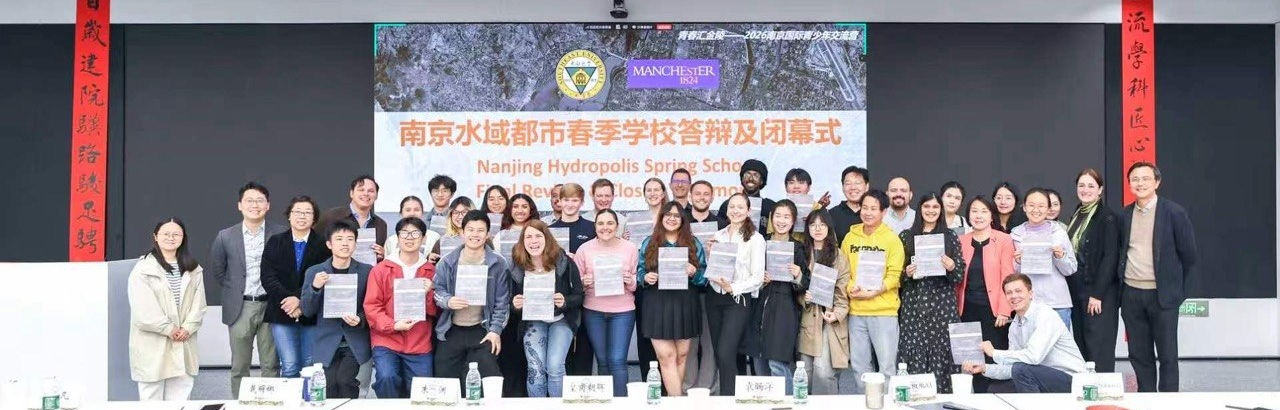
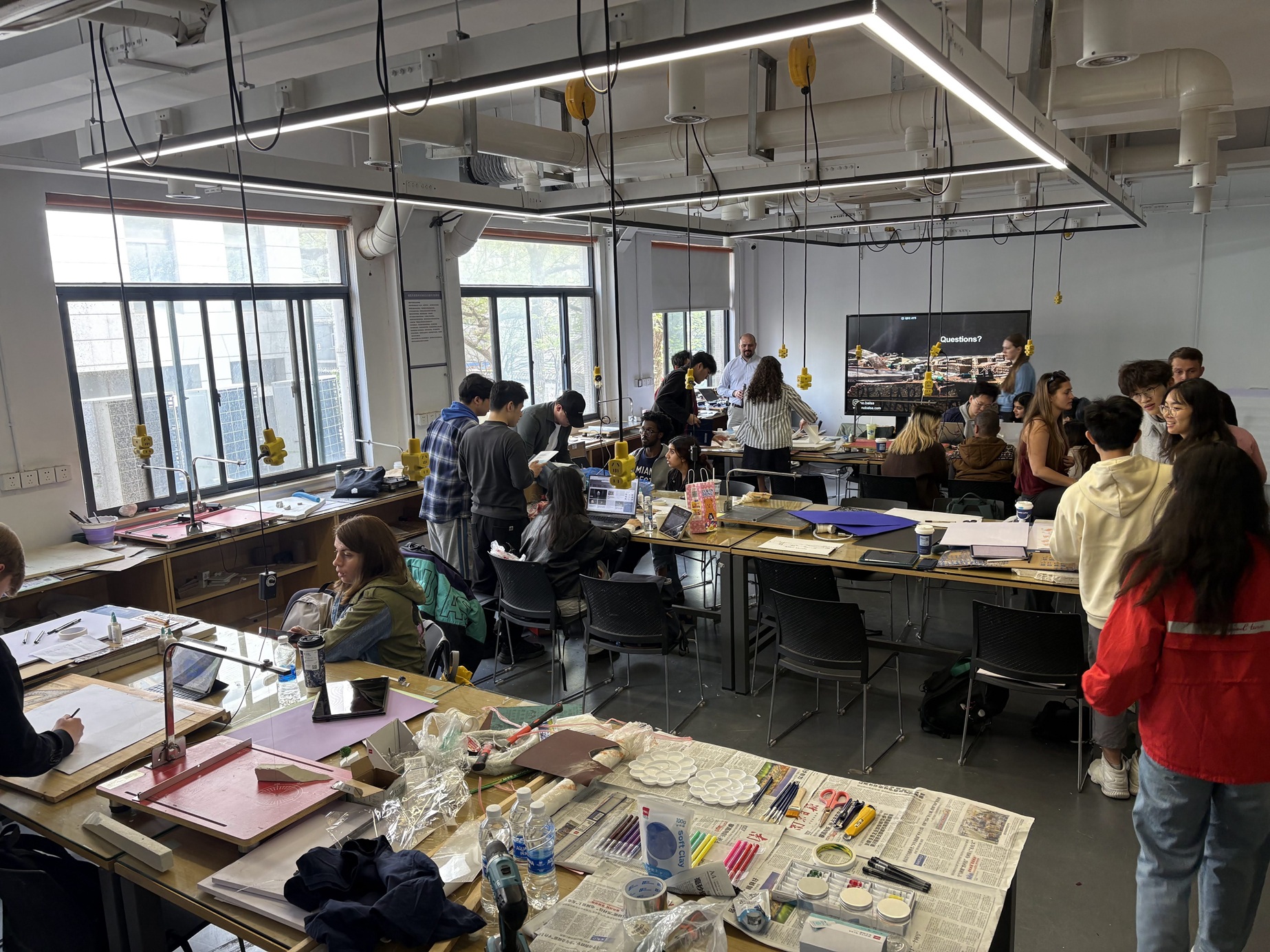
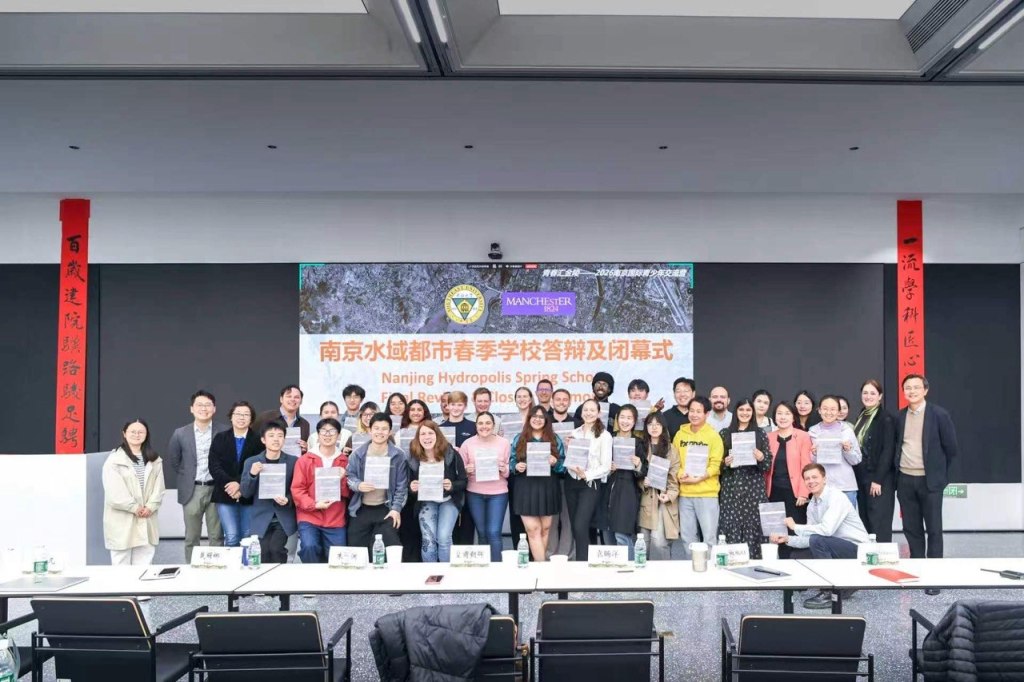
The making workshop formed part of Hydropolis – an interdisciplinary spring school, where visiting researchers and professionals from Manchester collaborated with students at Southeast University in Nanjing. The group from Manchester included students and researchers in architecture, planning, infrastructure studies, modern languages and business, as well as recent graduates working in these fields.
After a week of fieldwork visits to water infrastructure and restoration sites in Suzhou, Yangzhou and Nanjing, the participants were divided into groups of 3-4, mixing the visitors with local students.
The groups were given a brief to creatively examine, how water infrastructure mediates relationships between urban space, ecological processes and social activity.
Without extensive discussions, the groups launched into the process.
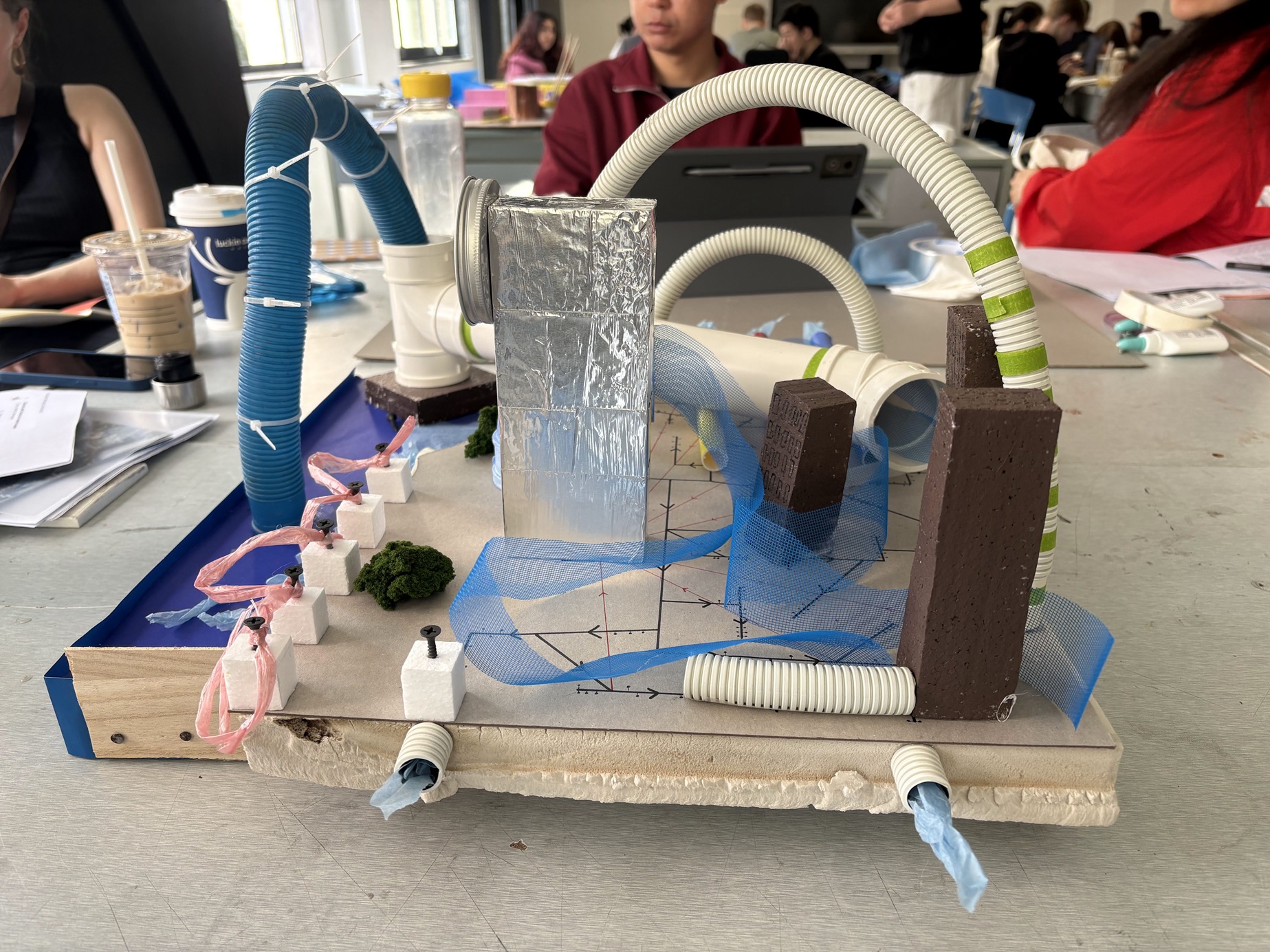
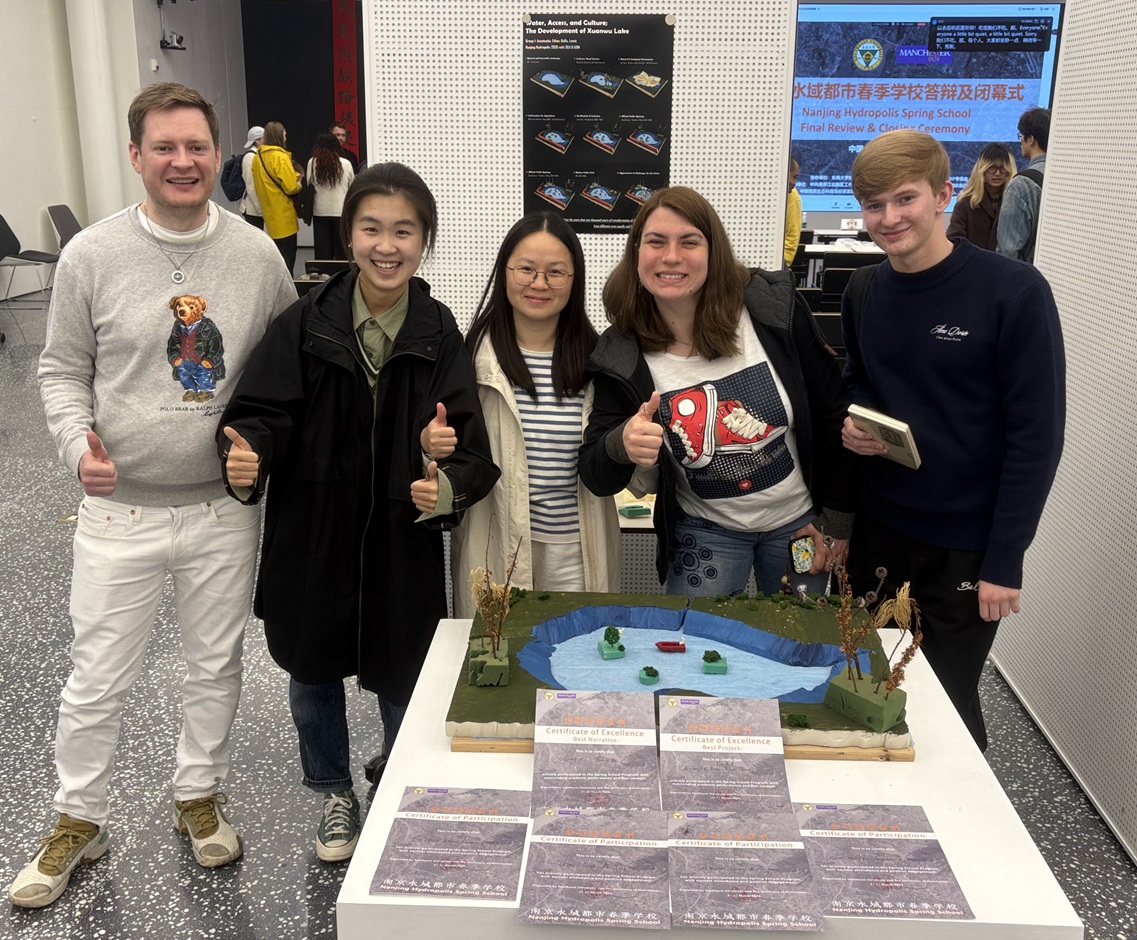
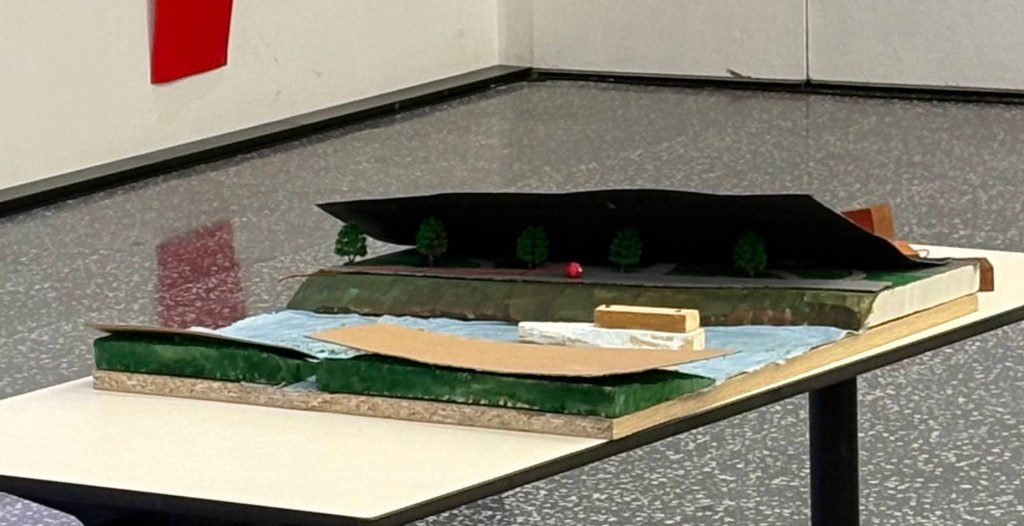
Another group focused on the communities interacting with the Yangtze River, just to the West of the city.
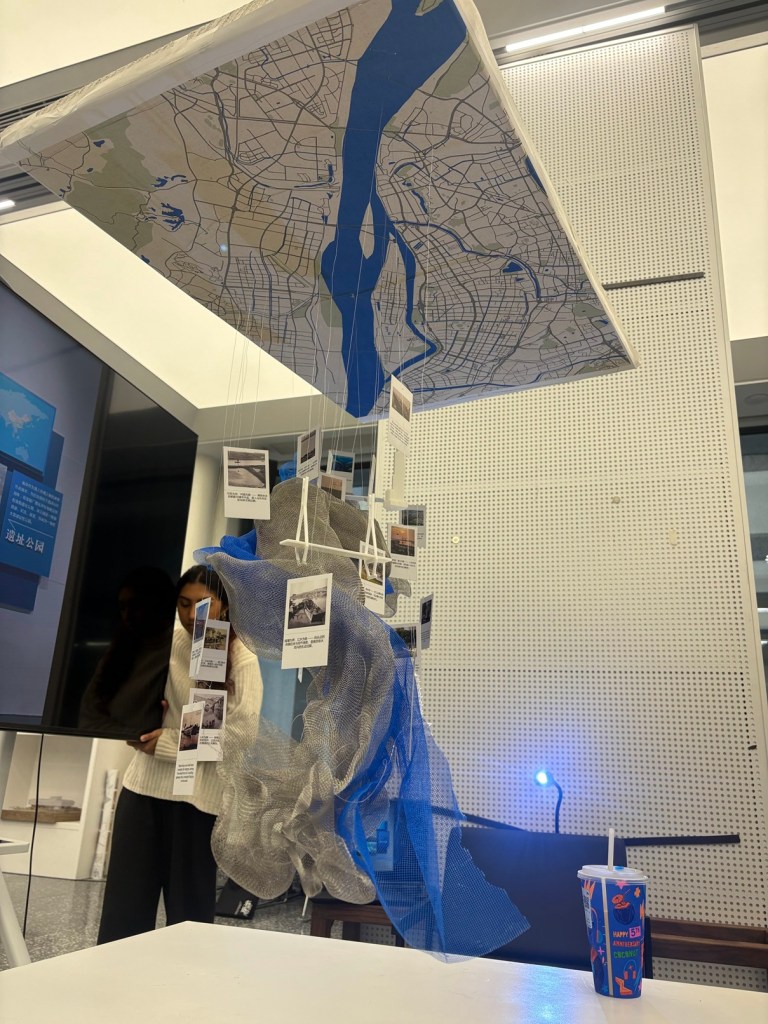
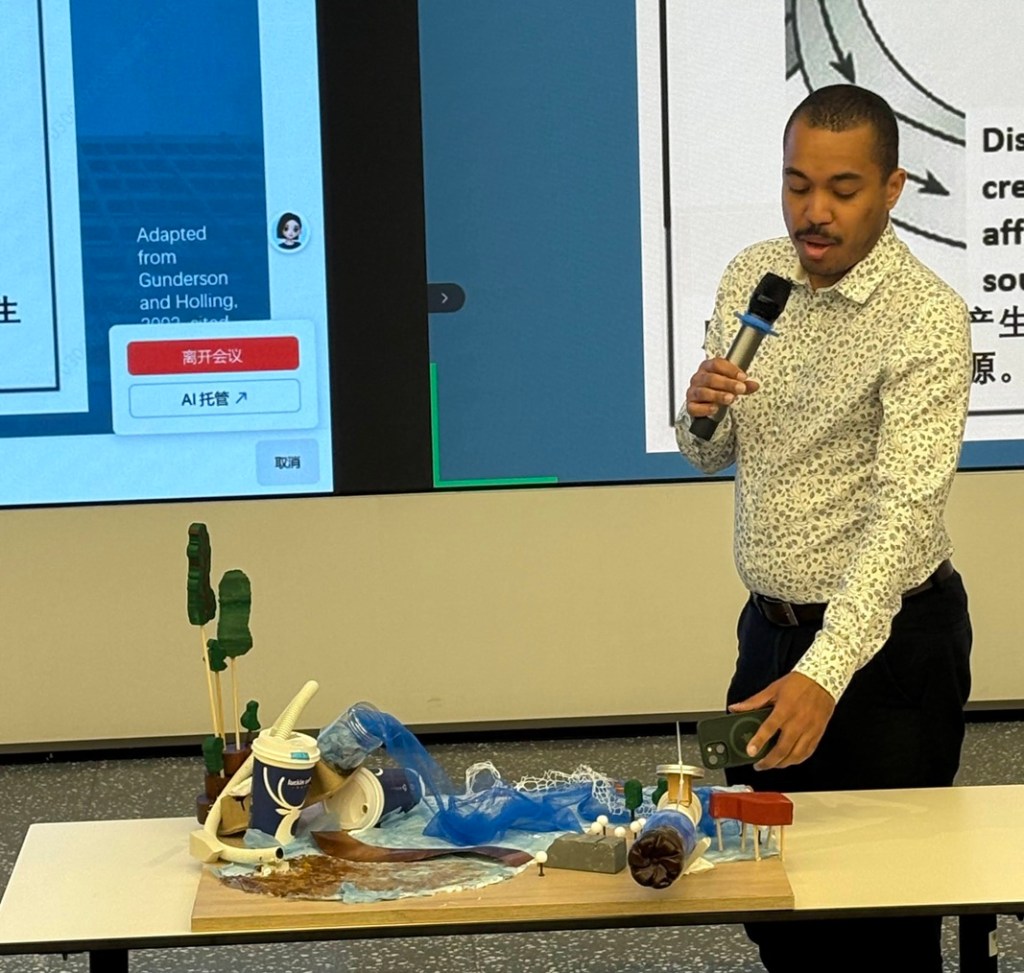
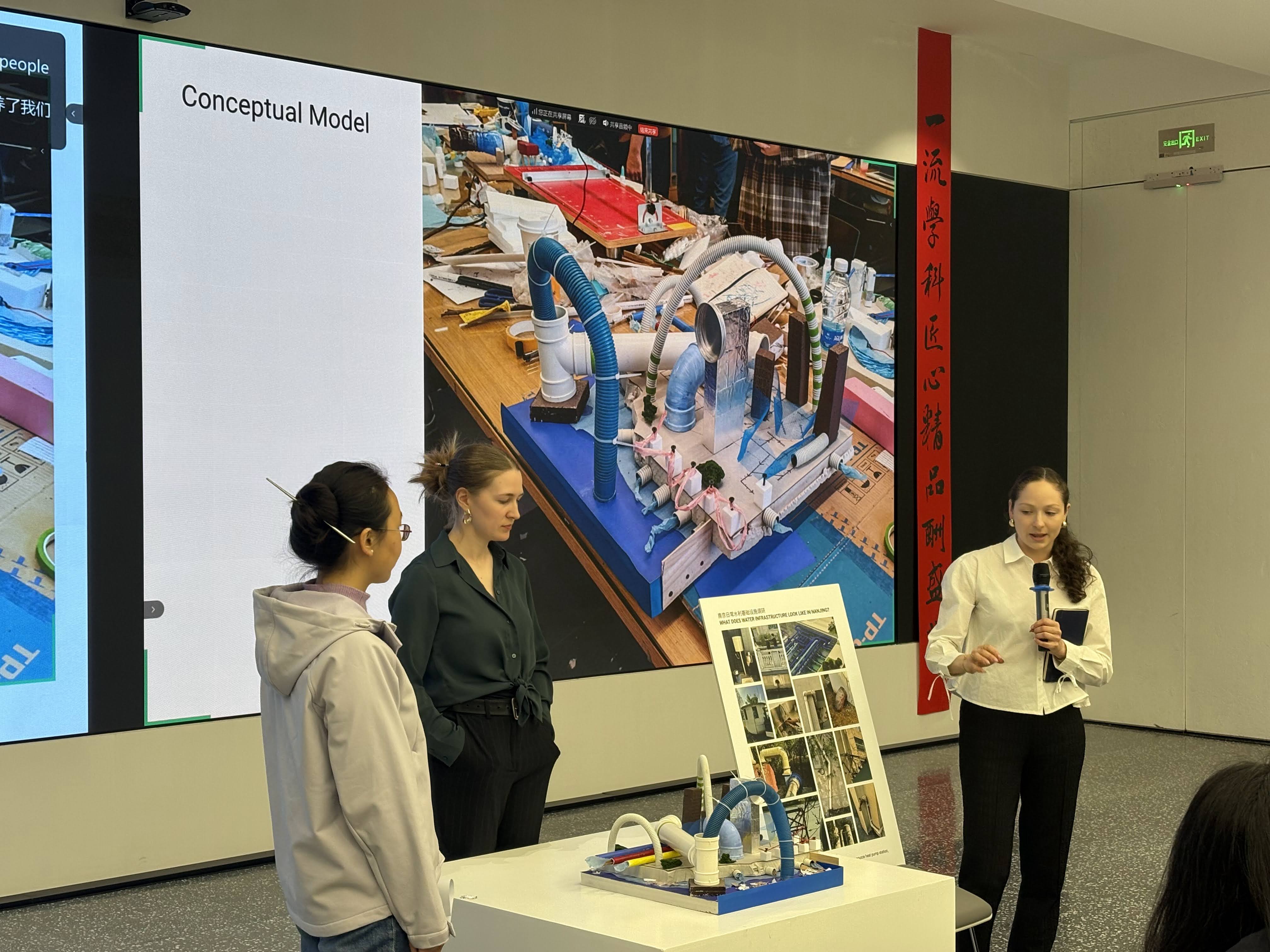
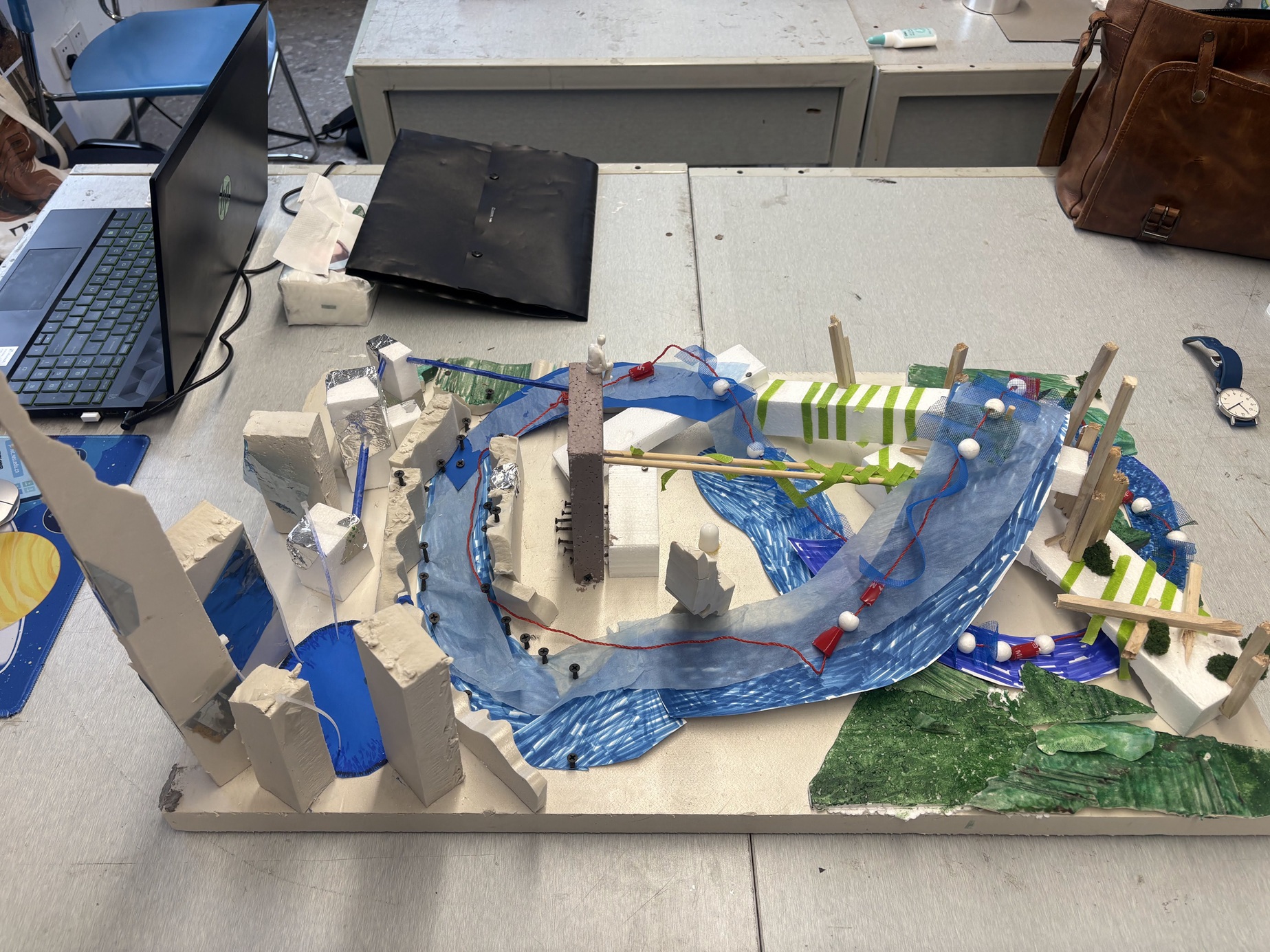
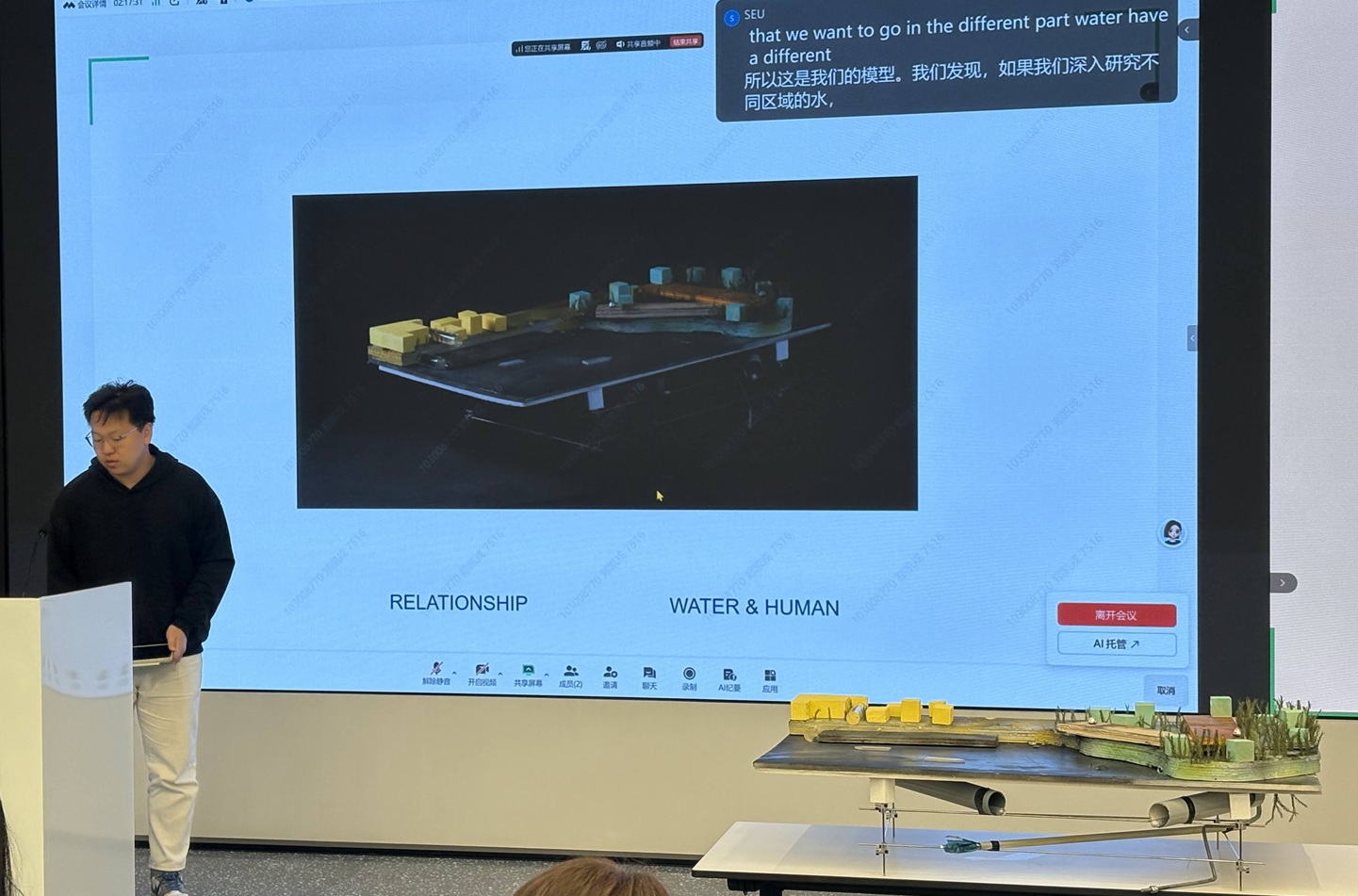
As with my other workshops, at the end of the day the participants were reallocated, so that each team member could present their learnings and next steps to members of other groups. The workshop in Nanjing highlighted additional benefits of a group model making exercise.
As well as a means to brainstorm through making, the workshop acted as an icebreaker for the group members, coming from different backgrounds and cultures.
The collaborative objects mitigated language and disciplinary barriers.
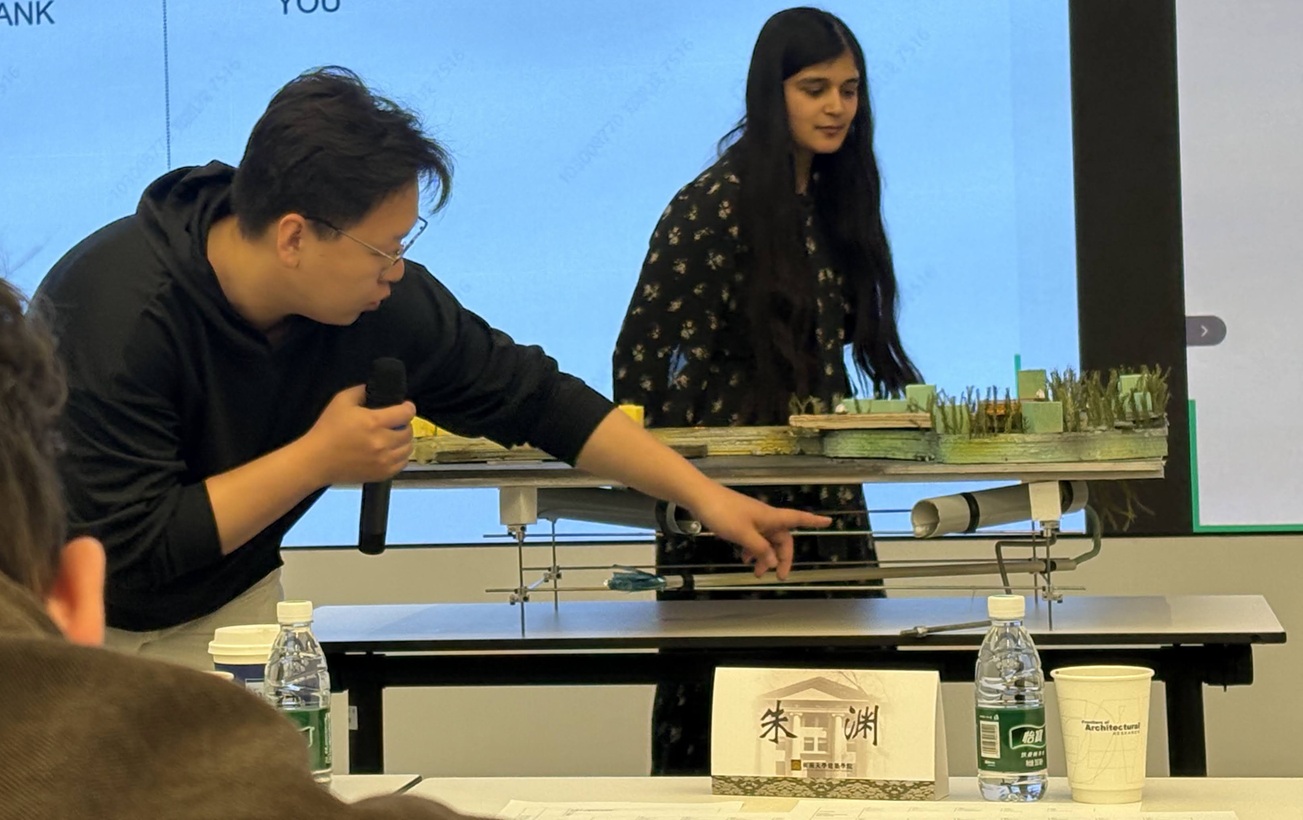
After the main making day, the models remained heavily used for the rest of the spring school, serving as key discussion and demonstration tools during the final day’s presentations and closing ceremony.

 no.balsa