
Scholars, artists, coffin craftsmen, designers, museum managers and euthanasia specialists assembled in Falmouth to problematise the creative practices happening around death and dying. Link to conference. Much of the presented material revolved around the participants’ personal stories: family bereavement, hobbies, social media influences on their lives.
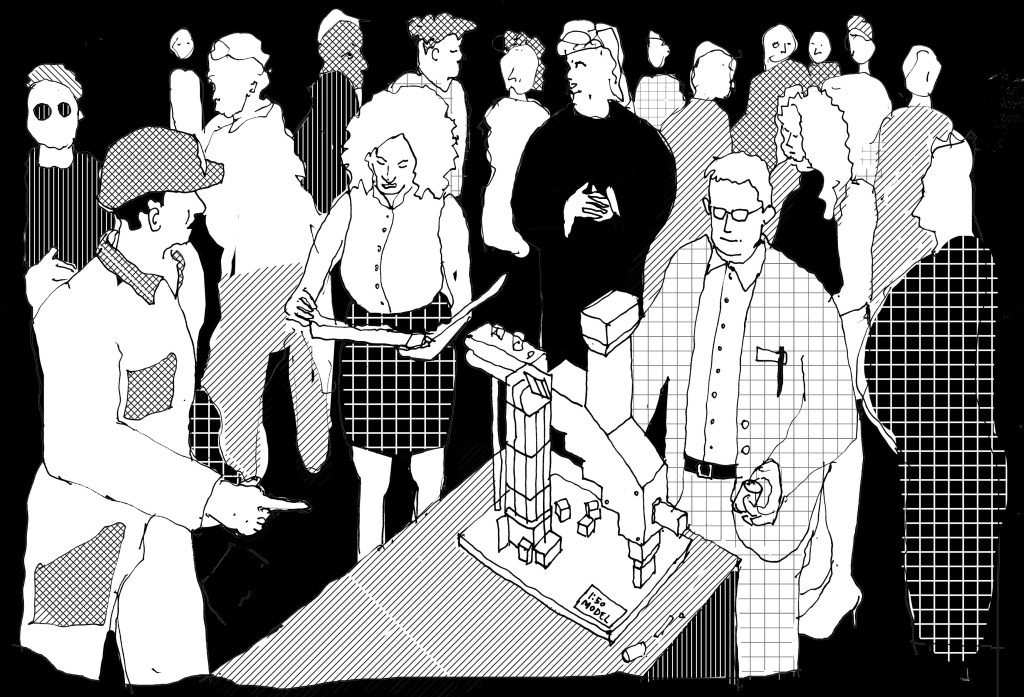
My workshop encouraged the participants to rethink the current practices of disposing of anatomical specimens at waste incinerators. The responses primarily revolved around the incinerator workers : counteracting desensitisation, making the nature of waste acknowledged through small rituals, creating spaces for prayer, contemplation and dealing with emotions.
Divided into focus groups, the participants engaged in the exercise differently to how I predicted. Instead of a quick brainstorming session followed by creative exploration through drawing, making and re-enactment (various materials were provided), the attendees engaged in long and detailed discussions problematising the social and technological dimensions of respectful disposal. Subsequently, the voice recordings from the focus group tables proved to be more instrumental for analysis, compared to the photos of the creative output left on the tables.
The findings are intended to be used for a journal article on redesigning respectful disposal.
My Workshop abstract:
This proposed workshop is open to anyone else interested in creatively contributing to a pertinent issue in disposing of human bodies. The purpose of the workshop is to discuss, challenge, and re-think the spatial, material and ritualistic organisation of respectful disposal. The latter refers to the procedure used at clinical and high temperature waste incinerators for disposing of anatomical waste, including human torsos, heads and limbs, imported into the UK for medical research.
Given the vague and non-visual guidance within the relevant policies and in view of the existing ad hoc practices, the procedure of respectful disposal needs a re-design. The Worksop invites its participants to visually explore the improvements to the existing procedures.
At the start of the workshop, the participants will be visually presented with existing practices, based on the author’s findings at the waste incinerators. Participants will then be divided into small groups to design the potential alterations, however radical or subtle, through sketching over the diagrams and drawings of the existing practices, collages, mock-up models, re-enactment and other visual means. Materials will be provided. Towards the end, each group will briefly summarise their ideas, identifying whether the proposed changes are mainly ritualistic, spatial or material.
The participants will gain experience in creatively approaching the challenge of respectful disposal in material and spatial ways. After the workshop, sketches, models, videos, photos and notes will be documented, examined and formulated into design strategies with the prospect of a publication contributing to death and waste studies, as well as informing regulations.

 no.balsa