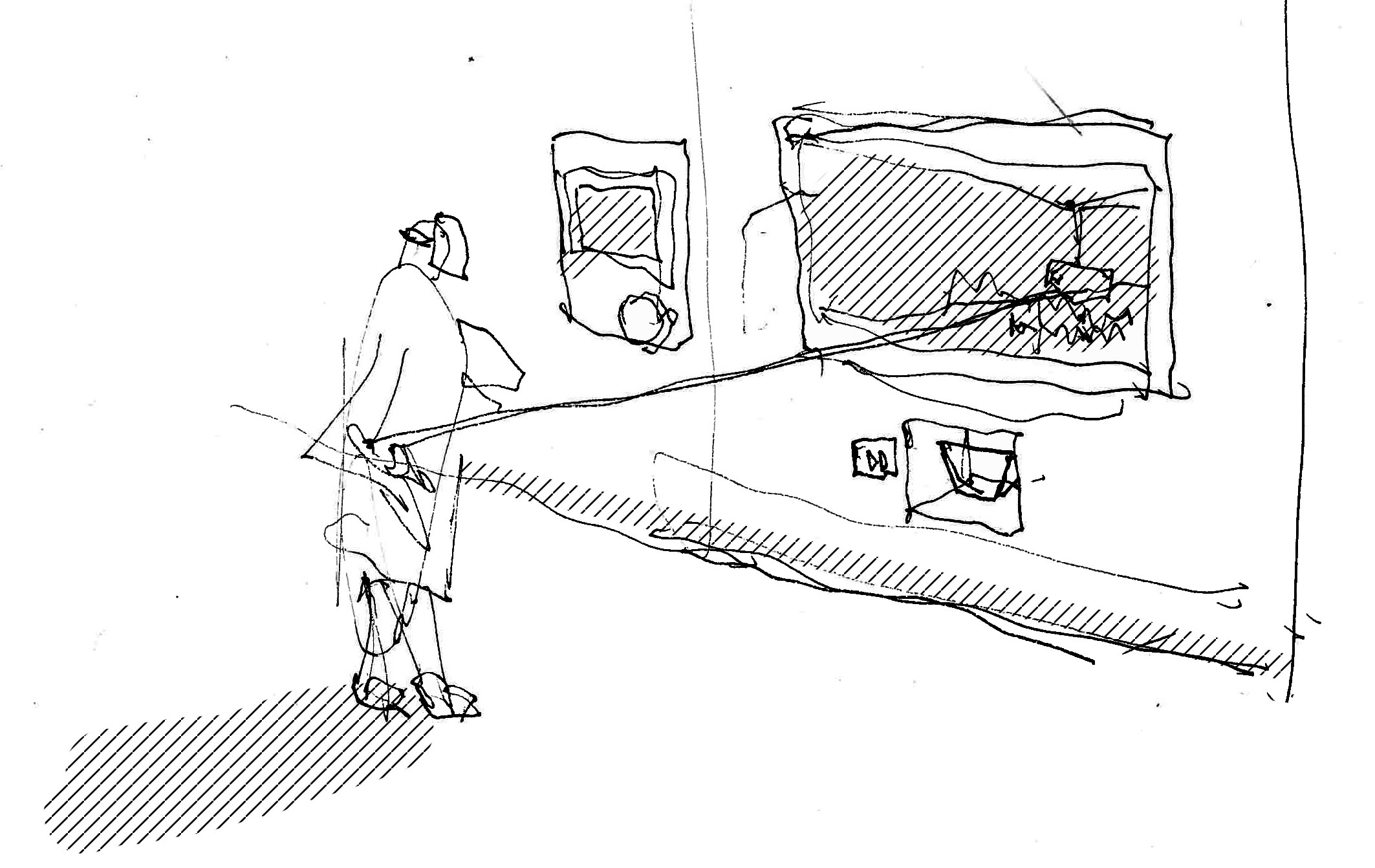
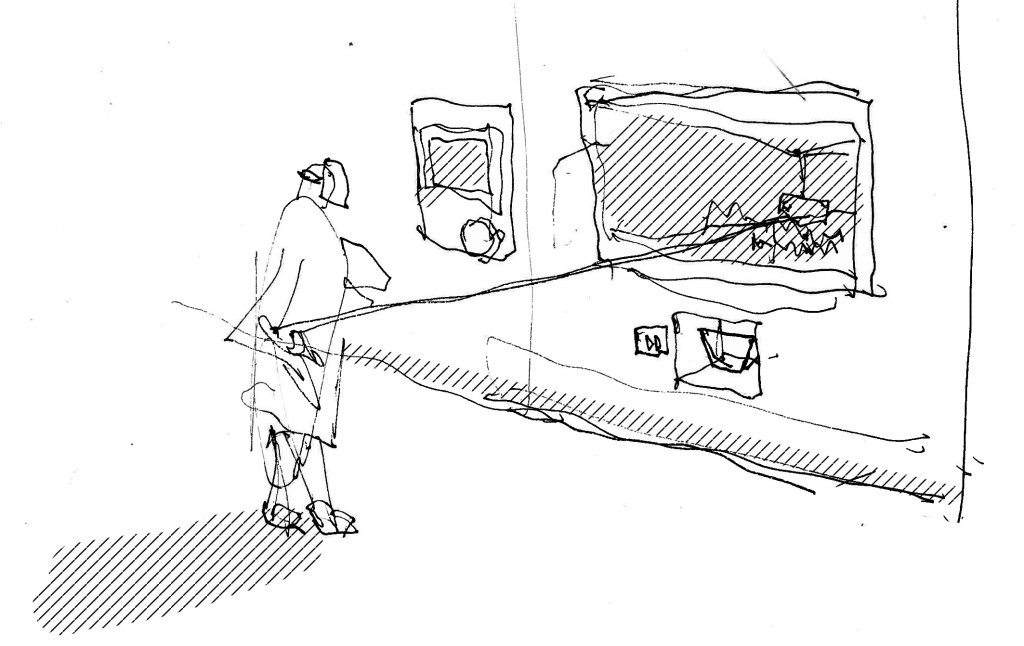
As part of my PhD I am spatially examining the procedure of respectful disposal of anatomical waste at High Temperature Waste Incinerators (HTWIs). The study is partly dedicated to comparing the body part incineration procedure to its most technologically similar analogue: cremation.
The procedure for bequeathed (donated) bodies of deceased who do not have relatives to take care of the remains:
- the body is assembled at the research facility. Though name was not provided to the students at the research facility, it stays with the body and is passed to the cremation team.
- Funeral directors deliver the body to the crematorium in a coffin. Where a body was dissected for research, it is reassembled in the coffin with all available parts present.
- The coffin with the remains is brought into the crematorium chapel where last rites are given by a religion minister. The catafalque in the altar area features a board equipped for inter-changeable religious symbols. The chapel therefore accommodates a variety of faiths, as well as an atheist ceremony option. Music is played in most ceremonies.
- After the final rites the coffin transitions from the chapel into the cremation space through the rotation of mechanical rollers writhin the top surface of the catafalque.
- The coffin is charged into the cremation chamber, with the deceased’s name tag immediately adjacent to the chamber door.
- The remains are cremated, over the course of around 70-100 minutes. The coffin burns first, typically within the initial 20 minutes. The staff only open the chamber once the last flame has disappeared.
- The ashes are raked from the chamber and inspected for hip and knee joints of any other remaining inorganic elements. The joints are placed in a separate bucket and subsequently sent to a European organisation that recycles them.
- The ashes are subsequently processed in the cremulator. By whisking the ashes with a frale, the machine sifts out the nails that held together the coffin. The nails are disposed off together with the hip joints. The ashes are packaged into a branded box, or an alternative container specified as part in the funeral instructions.
- Cremation gases are cooled using water boilers. Sometimes challenged by the families of the deceased, recovery of energy from the ashes is not a common practice.
- Gases are filtered similarly to industrial facilities involving incineration. Charcoal powder is supplied into the gas to attract any toxic substances that settle at the bottom of the filter. Bag filter is also used for gas cleaning.
- Driven by a fan the gases are circulated from the filtration system into the flue.
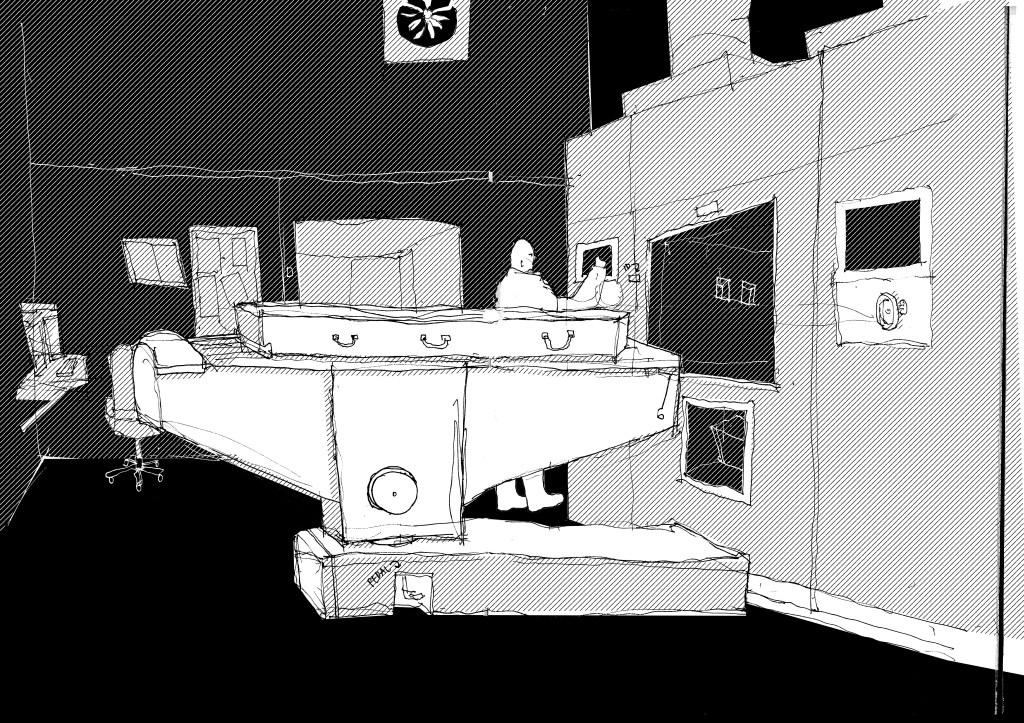
Cremation and High Temperature Waste Incineration: differences and similarities. The similarities include some of the technology, for example the filtration of the gases.
The ethical considerations of cremation revolve around three key stages of the final farewell the process:
funeral
Cremation
Ash treatment

 no.balsa