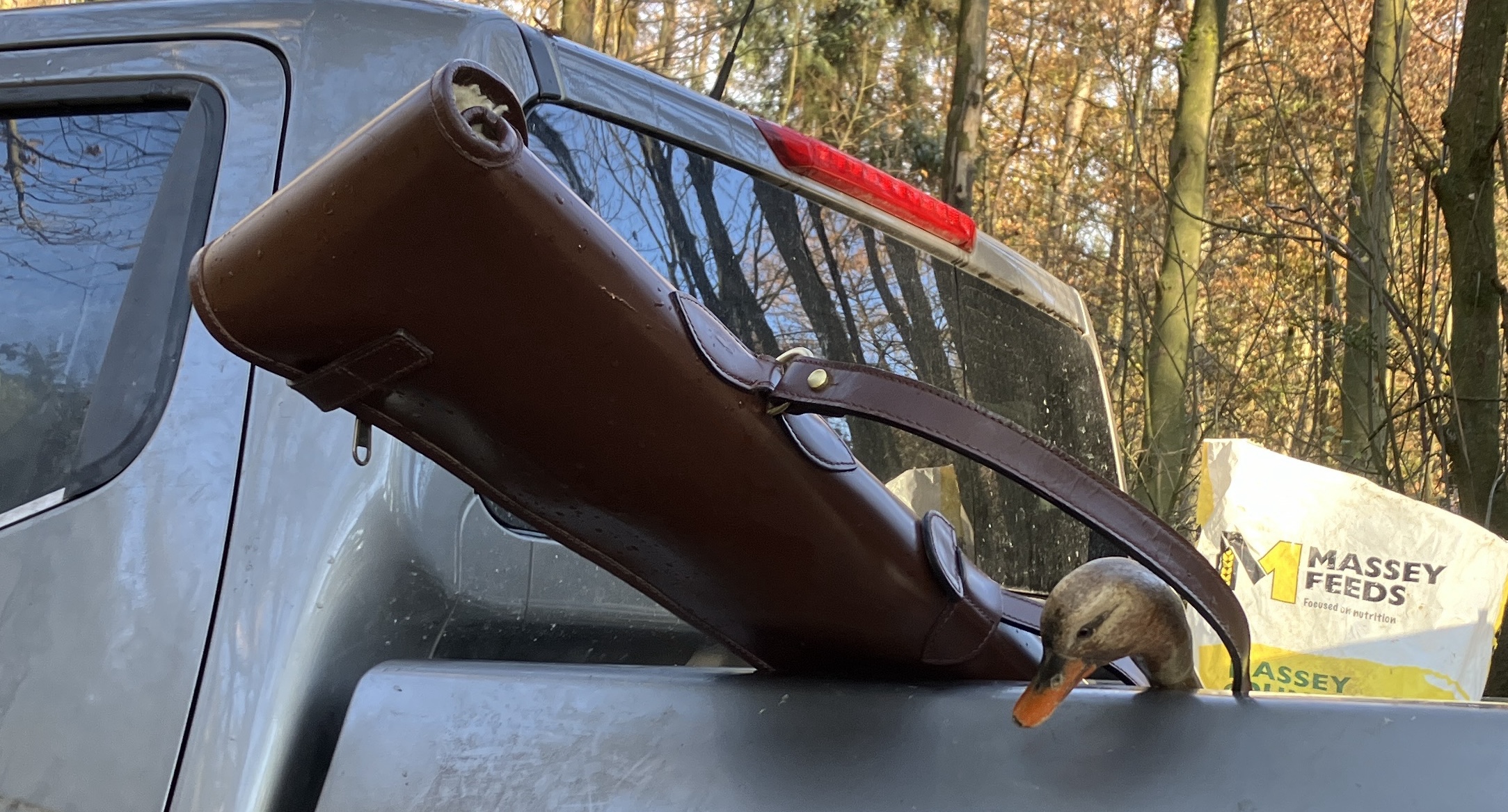
In early December I spent a day driving game through a private wood in south Yorkshire. Prior to going I needed to weigh up the ethical considerations of participating in an activity involving killing pheasants and ducks. Seeing it as a research opportunity, I decided to join the hunters. The day of beating ended up physically demanding, social and thought provoking.
In the summer the shooting captain puts hundreds of new born pheasants in a pen where they’re fed. Once grown to a certain size, the birds are released into the wider wood, where they continue to be regularly fed via large metal corn dispensers. Deer and hares also live in the wood as witnessed by our group on the day.
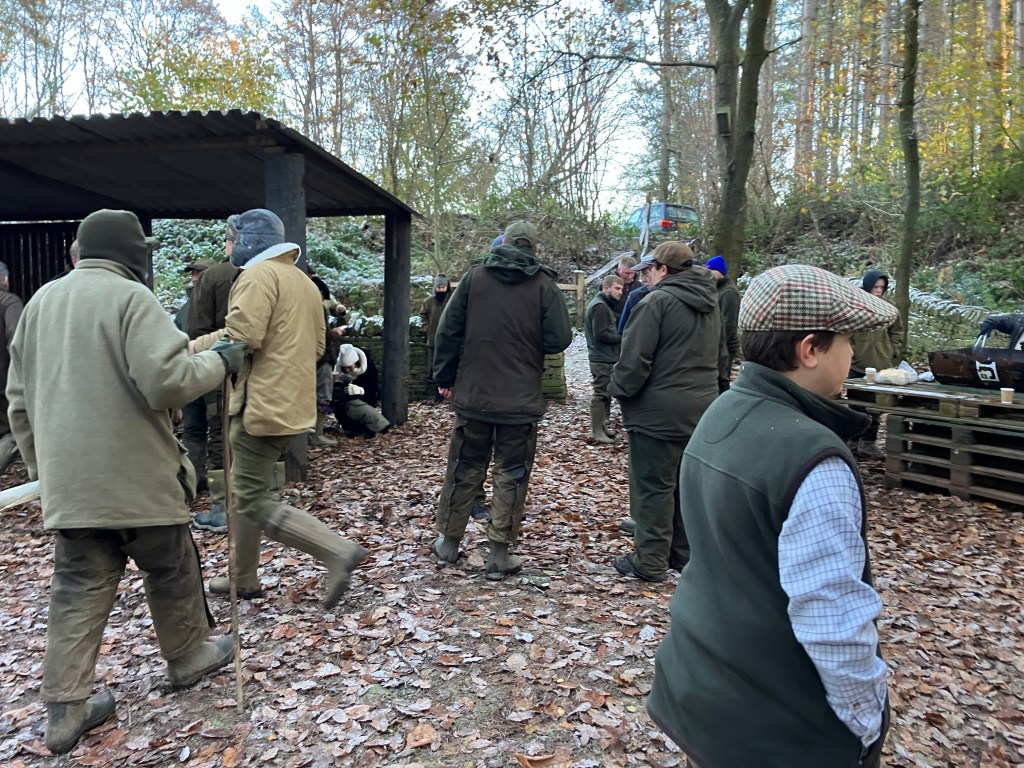
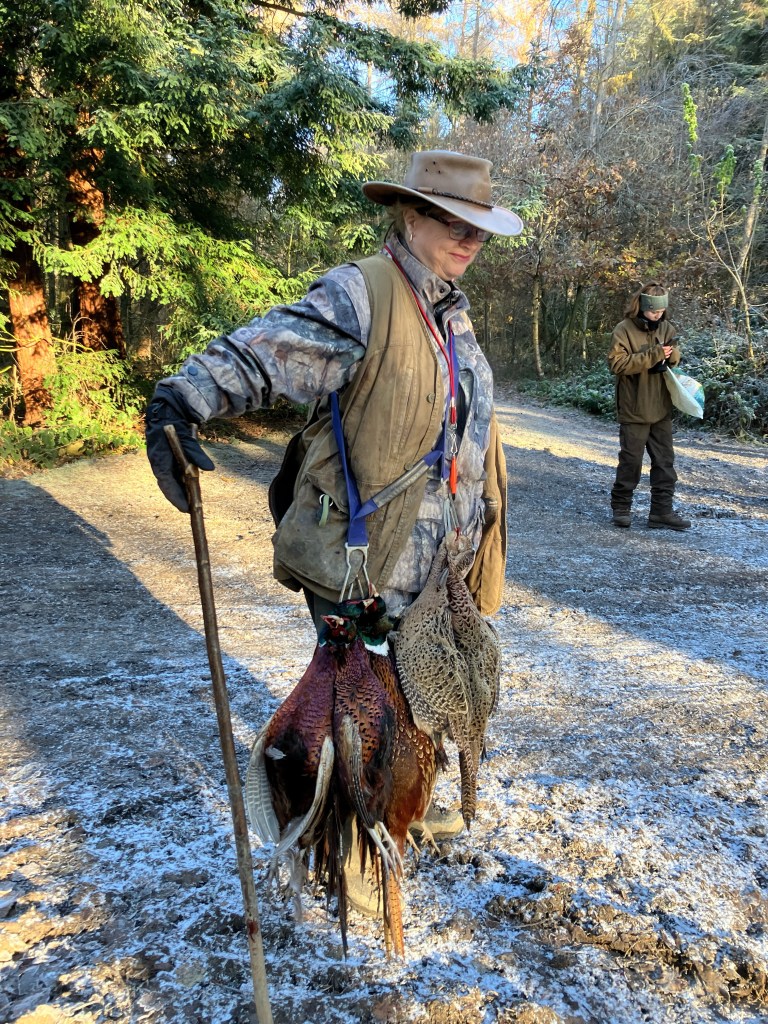
A shoot happens every Saturday. The participants, many of them representing several generations of the same family, predominantly come from the local farms. Shooters and beaters, both male and female, are dressed in tweed and waxed jackets with shorts and ties visible underneath in many instances. Shooters pay around £500 to take part each time, yet they only take a ‘brace’ (typically a cock and a hen) home, irrespectively of how many birds they kill. We beaters got paid £20 each.
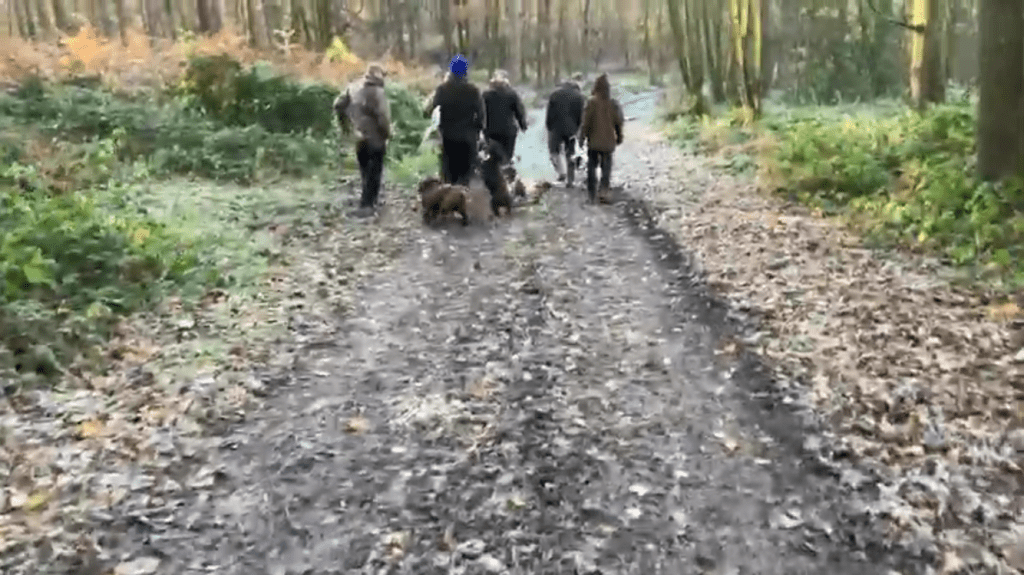
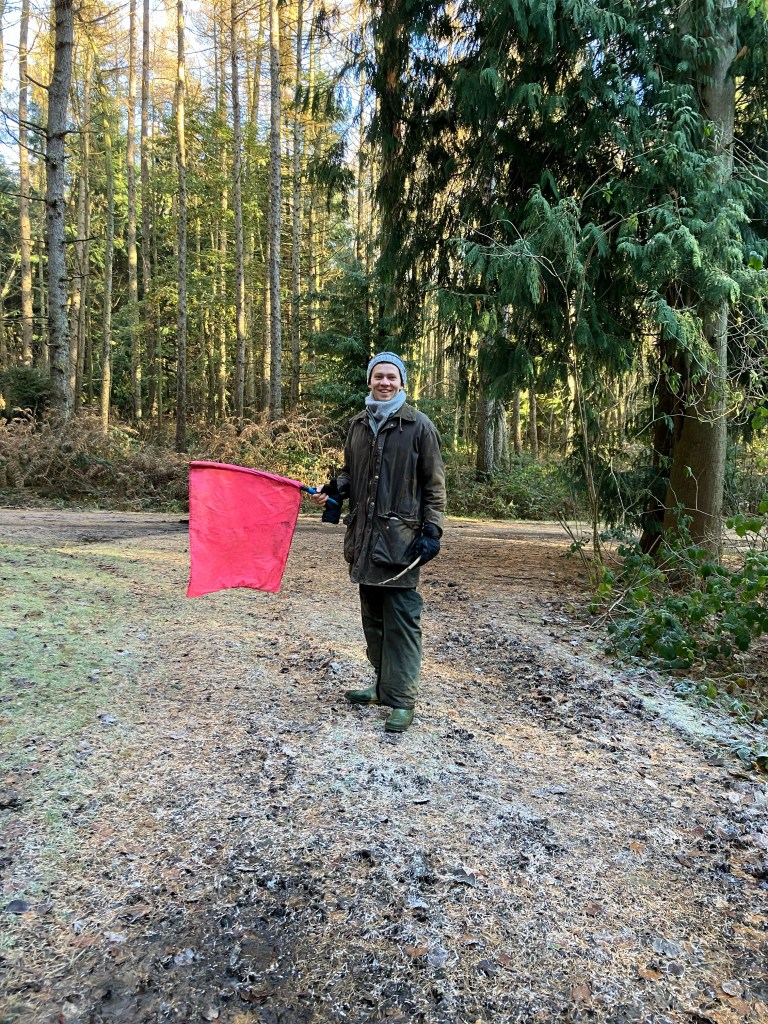
As beaters, we positioned ourselves along a line, led by the main beater, and made our way through the jungle of dense thorny Yorkshire vegetation. A flock of spaniels was constantly ahead of us, efficiently browsing through the most impenetrable bushes. We drove the pheasants up and down hills towards the guns positioned at the opposite end. Throughout our gradual progression through the weeds, bushes and puddles we waved flags, hit sticks and trees and made sounds, imitating the pheasants. There were 3 runs either side of the lunch break.
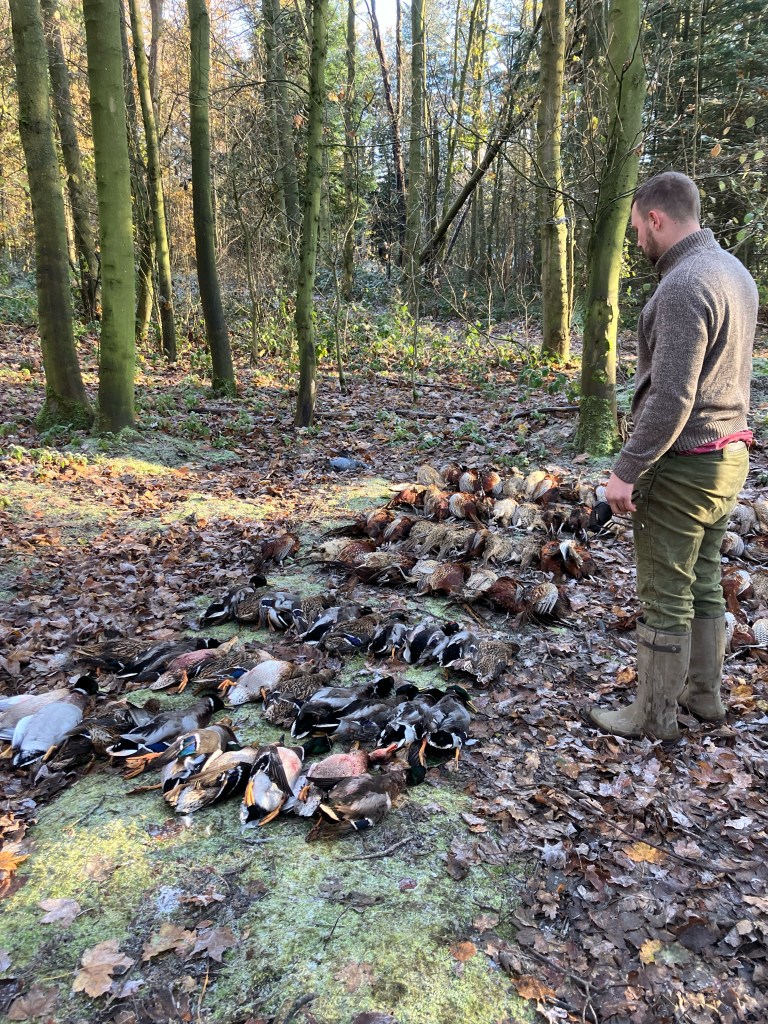
British hunters, Spanish bull-fighting fans and Nigerian herders have told me that an animal that’s killed after a liberated and eventful life is way luckier than one kept in a cage and even if some humans. Though it is difficult to argue with this, I still have doubts about breeding birds and letting them roam around for a calculated fixed period prior to killing them in a way that is impresice and leaves many to a slow death. The lunch break sight of rows of freshly shot game, many of them still trembling wings and feet, made me think of Alexandr Solzhenytsin’s (2002) Gulag Archipelago account of a shivering pile of prisoners’ bodies executed by drunk soldiers.
References:
Solzhenitsyn, Aleksandr. The Gulag Archipelago 1918-1956. Abridged ed. New York: HarperCollins Publishers, 2002. Print.

 no.balsa