Comics are used by ethnographers more and more widely. Open and honest subjectivity of a comic strip helps to mitigate relativism concerns emerging from claims to objectivity and realistic representation. Comics toolkits by Sousannis (2015) and McCloud (1993, 2006) provide researchers with a wealth of tools to condense images, senses and time onto two-dimensional paper space.
Shortly after moving back to Manchester I took part in a seminar with undergraduate anthropology students, led by José Sherwood-Gonzalez. Having previously narrated the stories of his own family through comics, José hosted an exercise where we, as the class participants, had to succinctly document each other’s 5-minute stories in several comic panels. Though, better to say, document ‘our impressions of each other’s stories’.

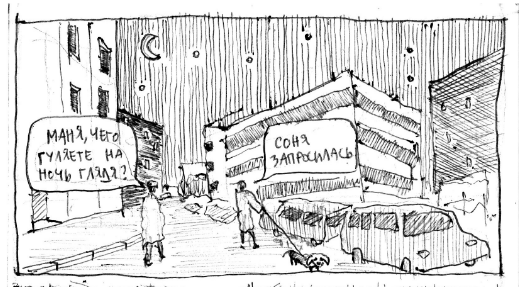
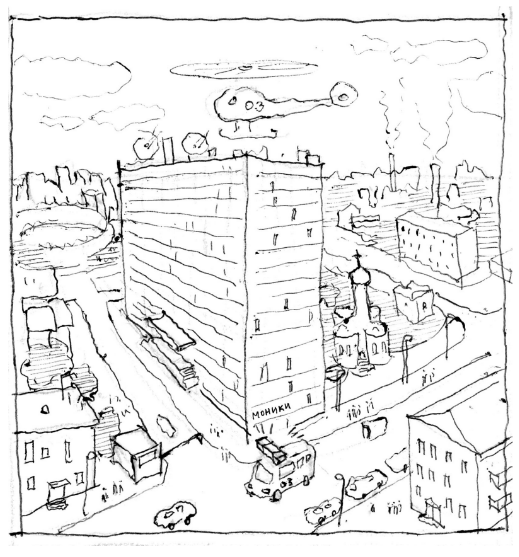
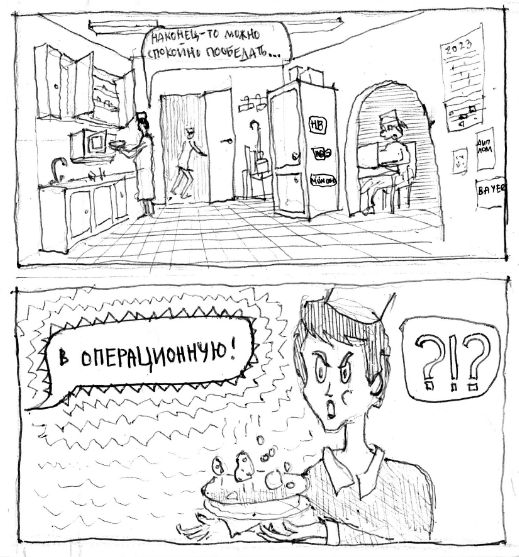
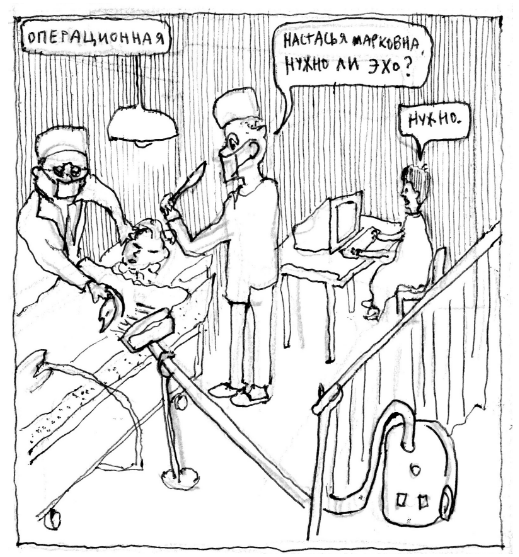
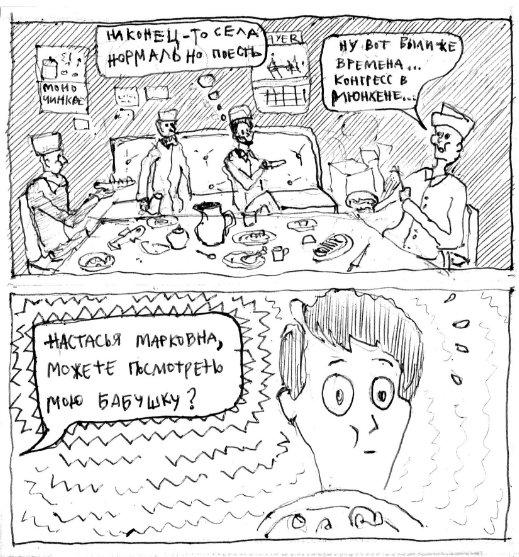
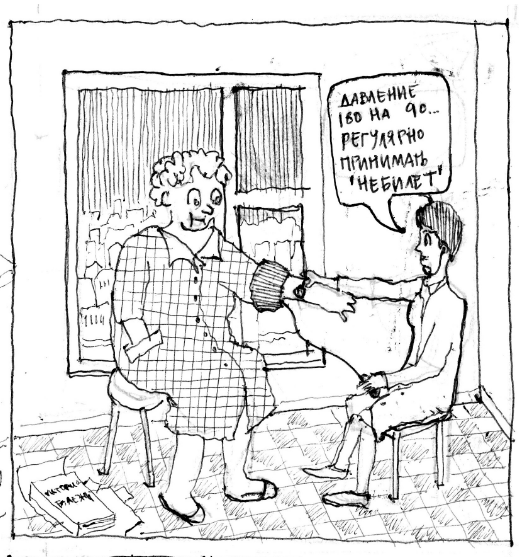
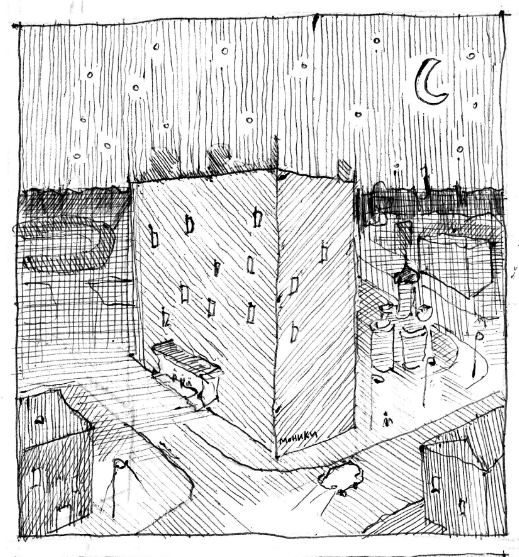
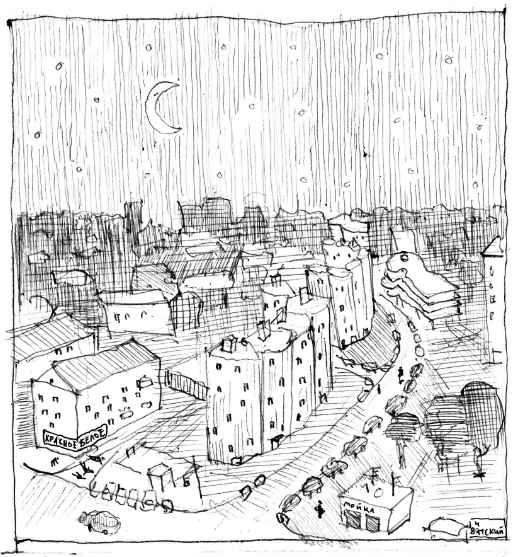
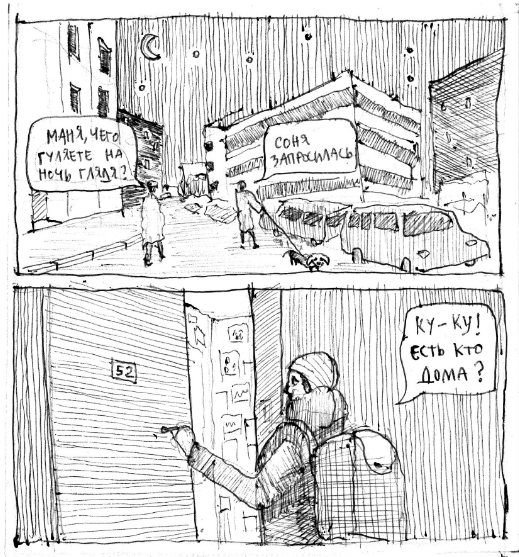
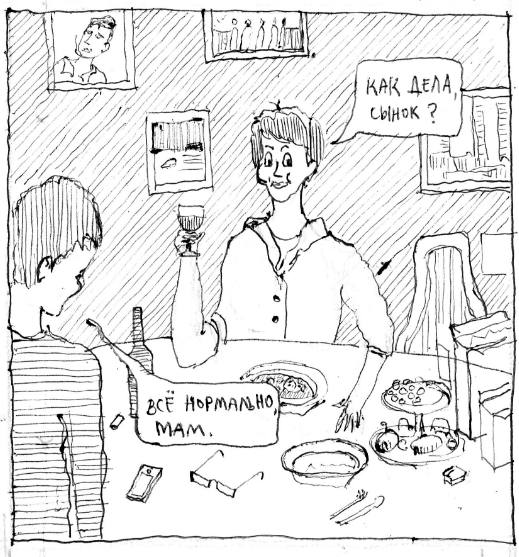
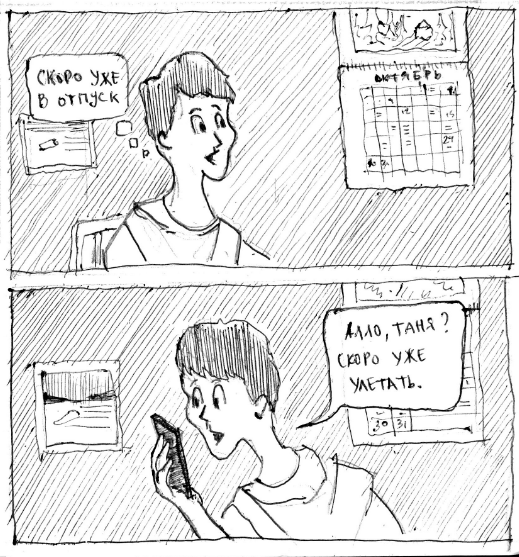
Following the session I attempted to create a short comics about by own family. Slide show below:


Bibliography:
McCloud, S. (1993). Understanding comics : the invisible art. Tundra Publishing.
McCloud, S. (2006). Making comics : storytelling secrets of comics, manga and graphic novels. Harper.
Sousanis, N. (2015). Unflattening. Harvard University Press.

 no.balsa
3 Comments