Over the past week I visited Teriberka and Murmansk, positioned near to the Arctic Ocean over 300 km north of the Polar circle,. The sun here never rises for 1.5 months during winter and never sets for 2 months during summer. Full of independent clearly named shops (unlike the confusing monopolist chains in Moscow) and surrounded by dramatic landscapes, Murmansk appears more joyful and authentic than the other major north Russian city of Arkhangelsk.
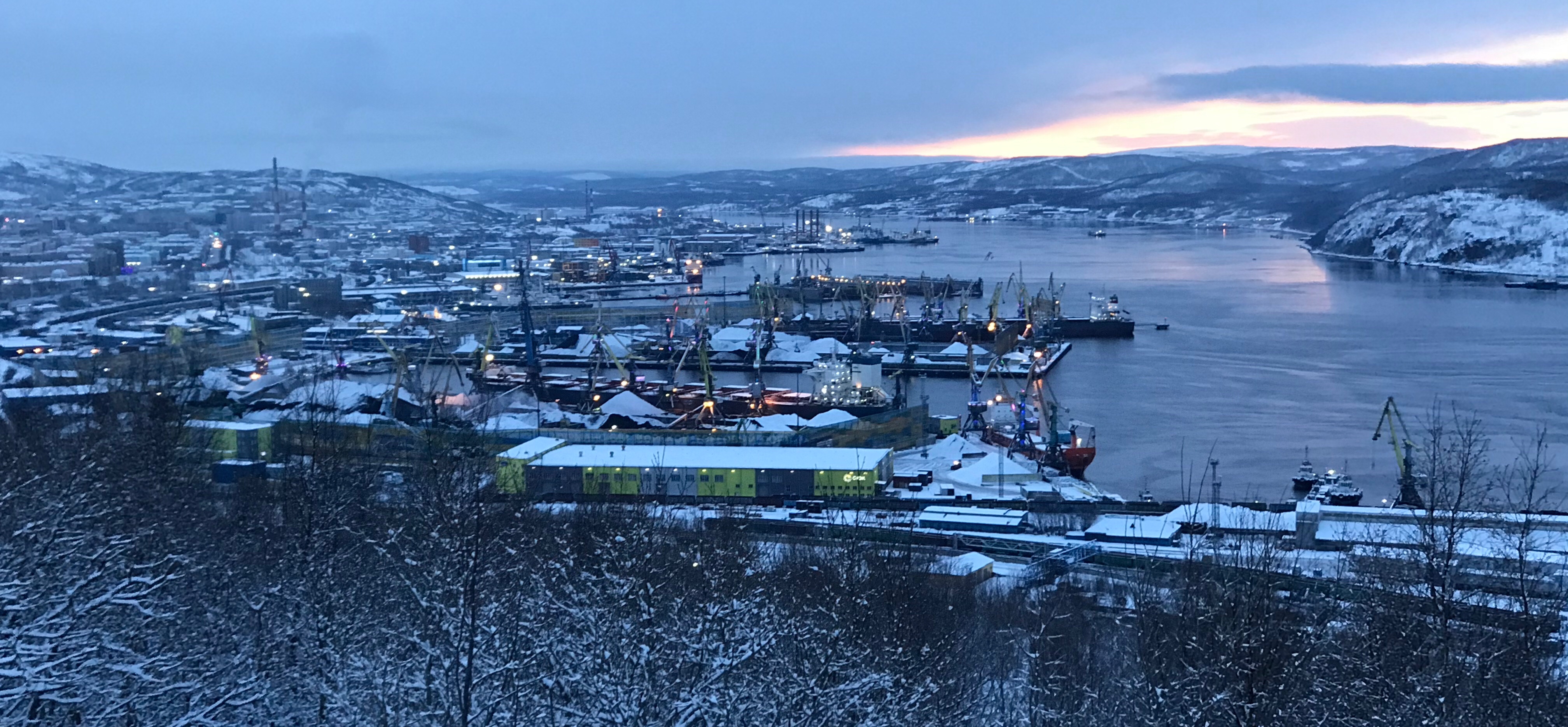
From the hill with Alyosha-the-Protector monument one clearly sees there major components of central Murmansk: the older and more monumental post-40s districts (city was fully rebuilt after WW2) squeezed between port and the new grey tall apartment blocks from the late 20th century. These three elements form a long urban strip along the Bay of Kola, which never freezes and therefore provides vessels of all sizes with a direct access to the Arctic Ocean at any point of the year and without passing through a foreign territory.
It was the strategic positioning that triggered the creation and rapid development of Romanov-on-Murman (later renamed to Murmansk) at the dawn of WW1 104 years ago.
Despite harsh climate and dilapidated state of most of its buildings, Murmansk is one of the most touristic cities in Russia, particularly popular among the guests from China.
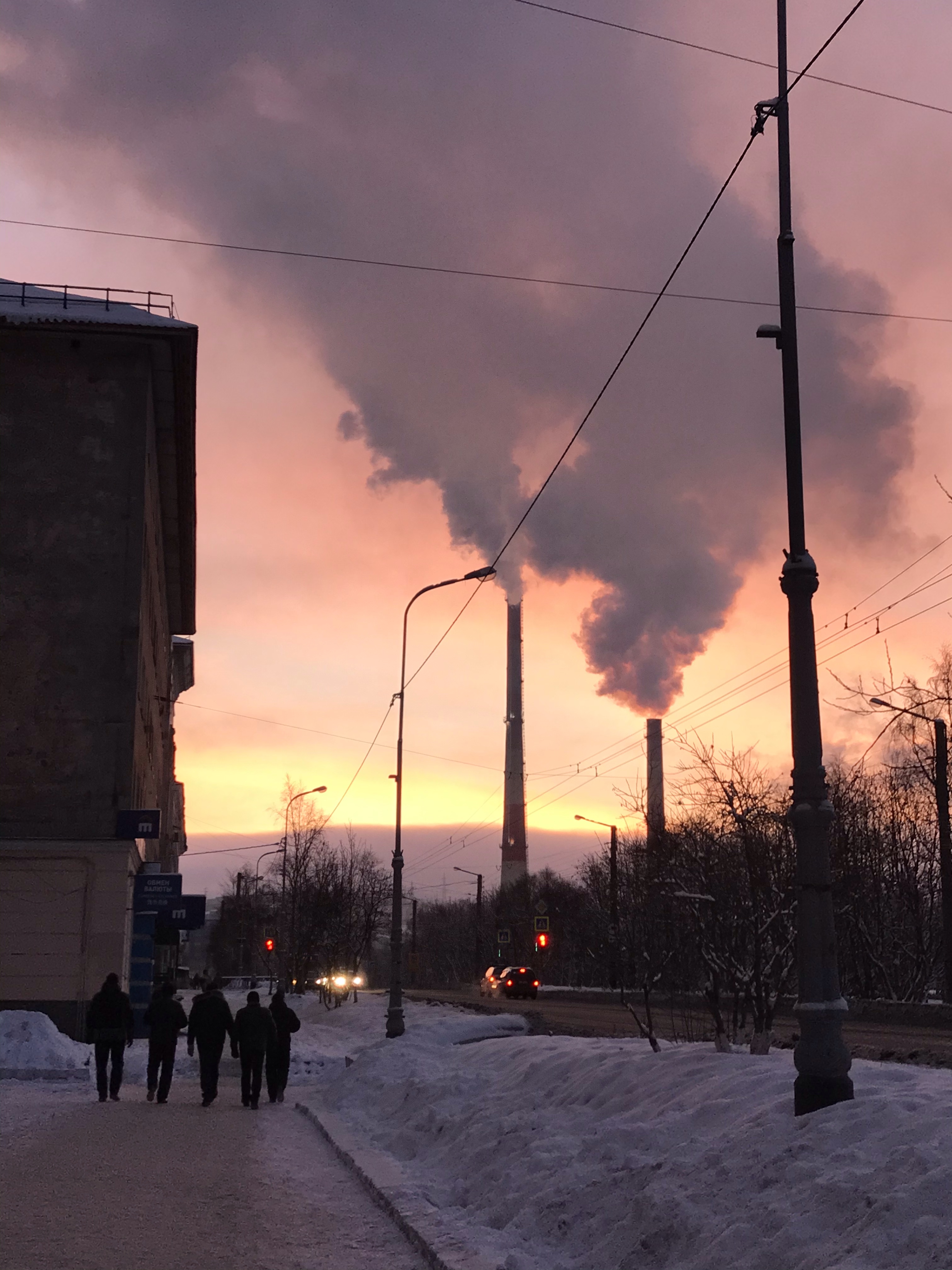
District heating plant on Schmidta Street 
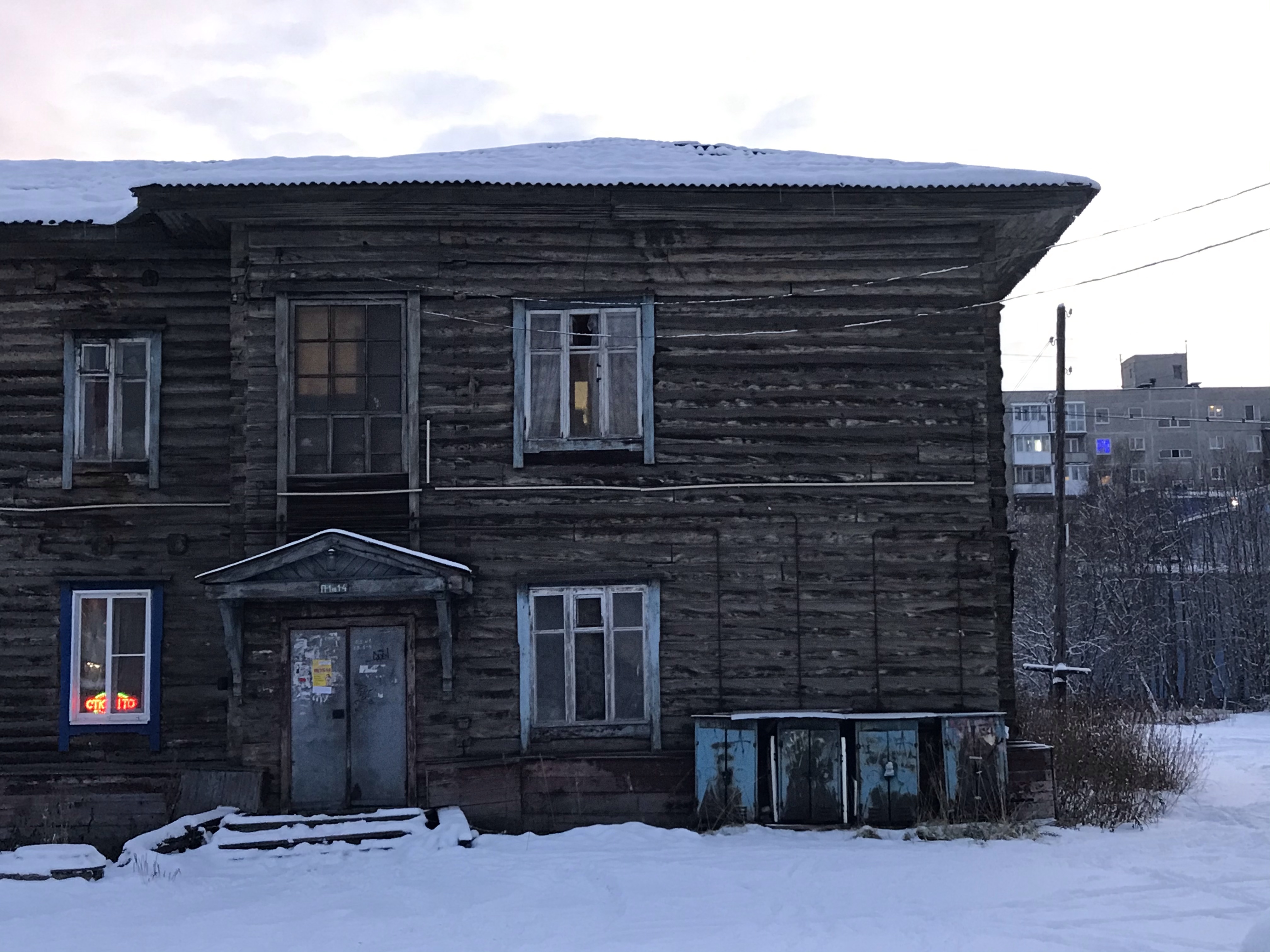
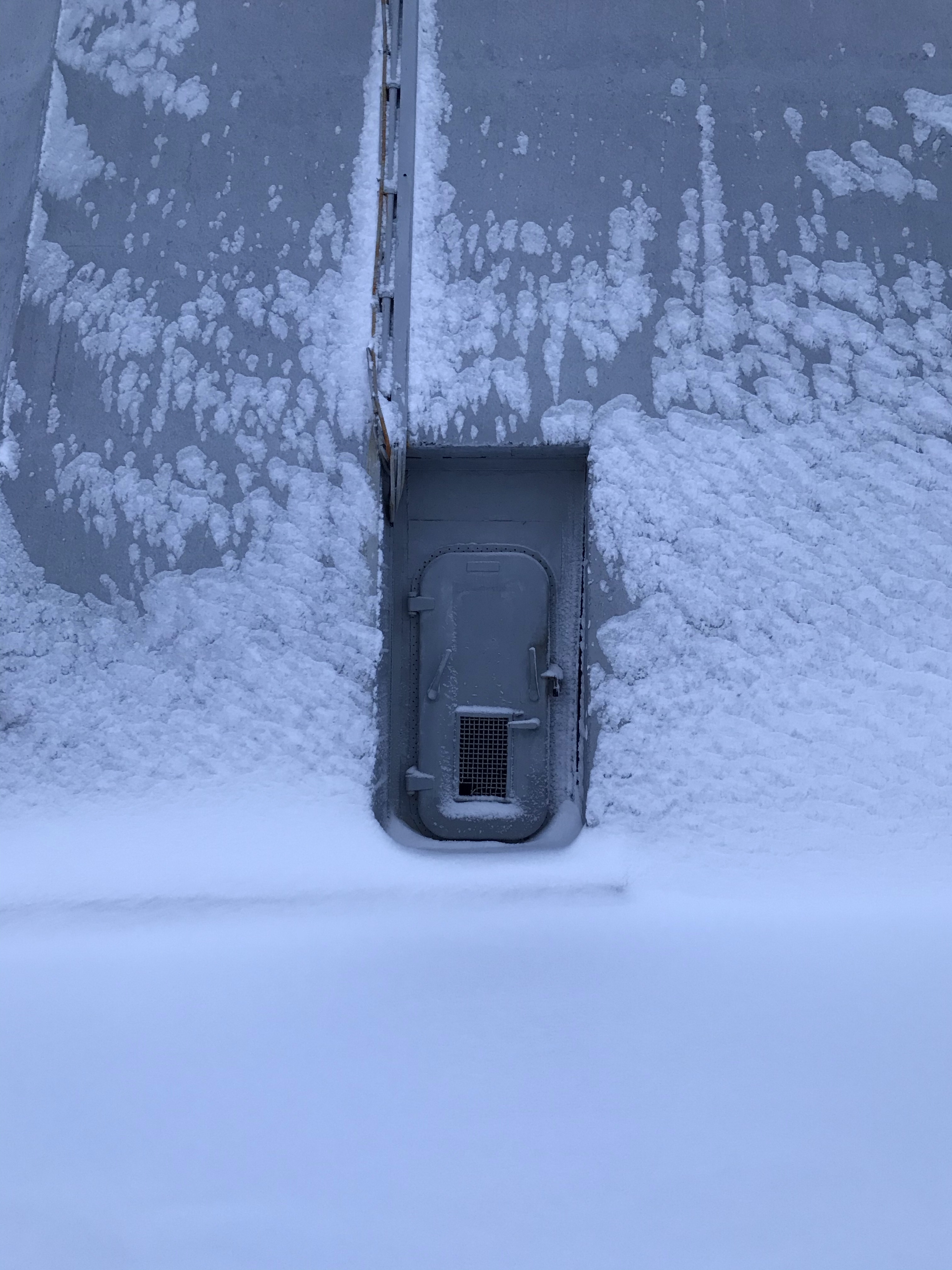
Service door to Alyosha monument 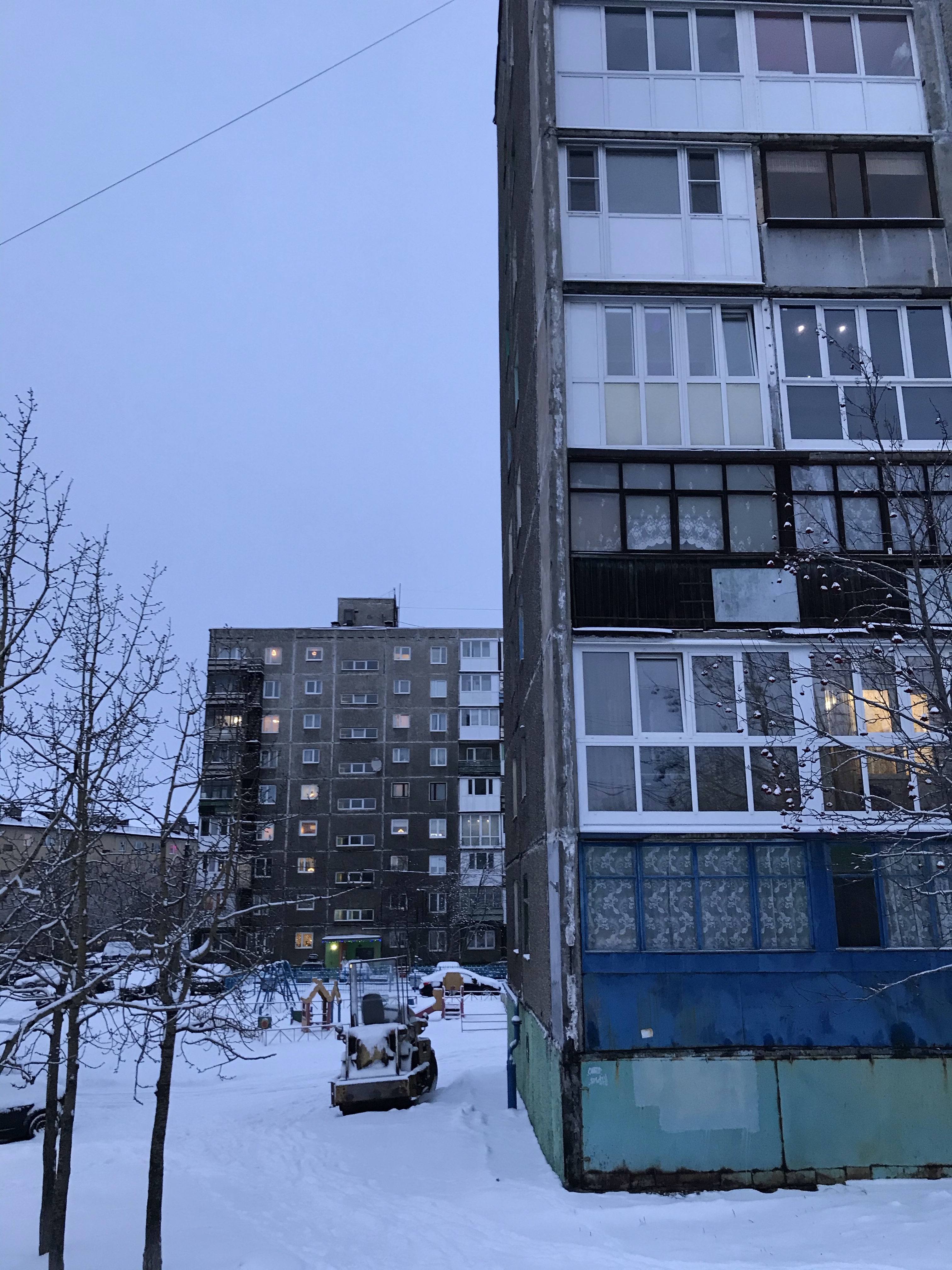
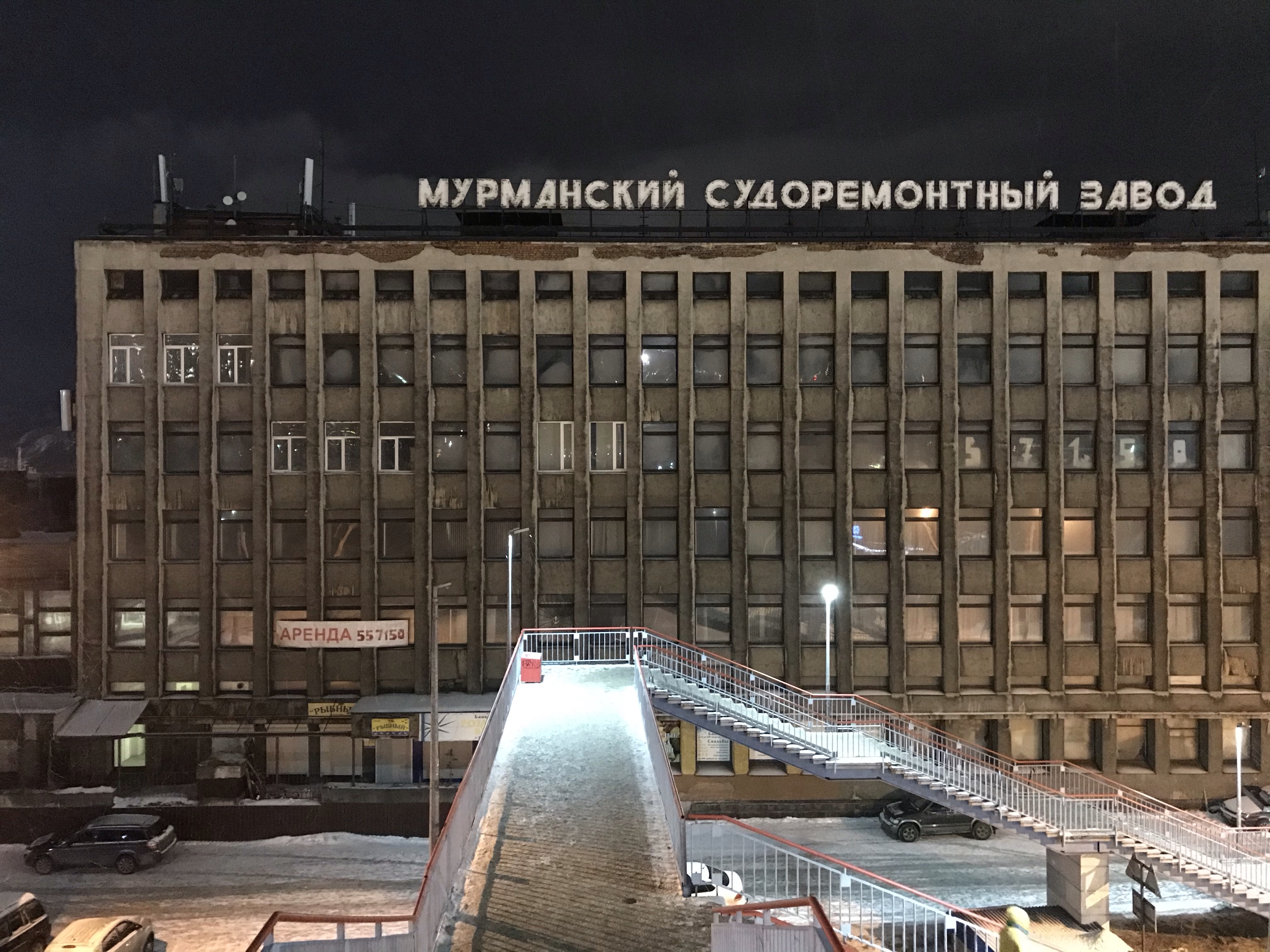
Ship repair plant 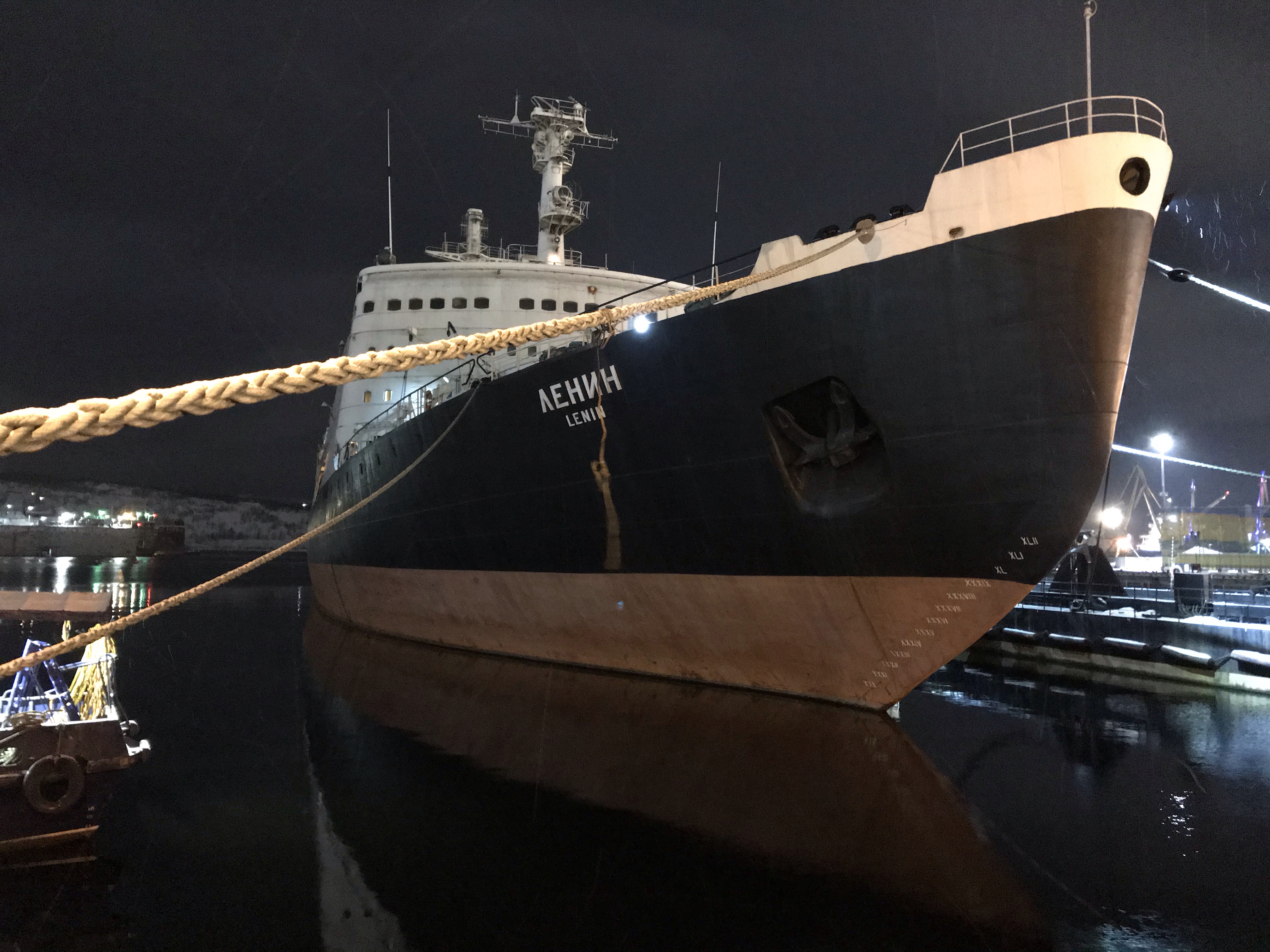
Nuclear Icebreaker Lenin is currently used as a museum but in its former days could provide autonomous life in the arctic for months. 

 no.balsa