
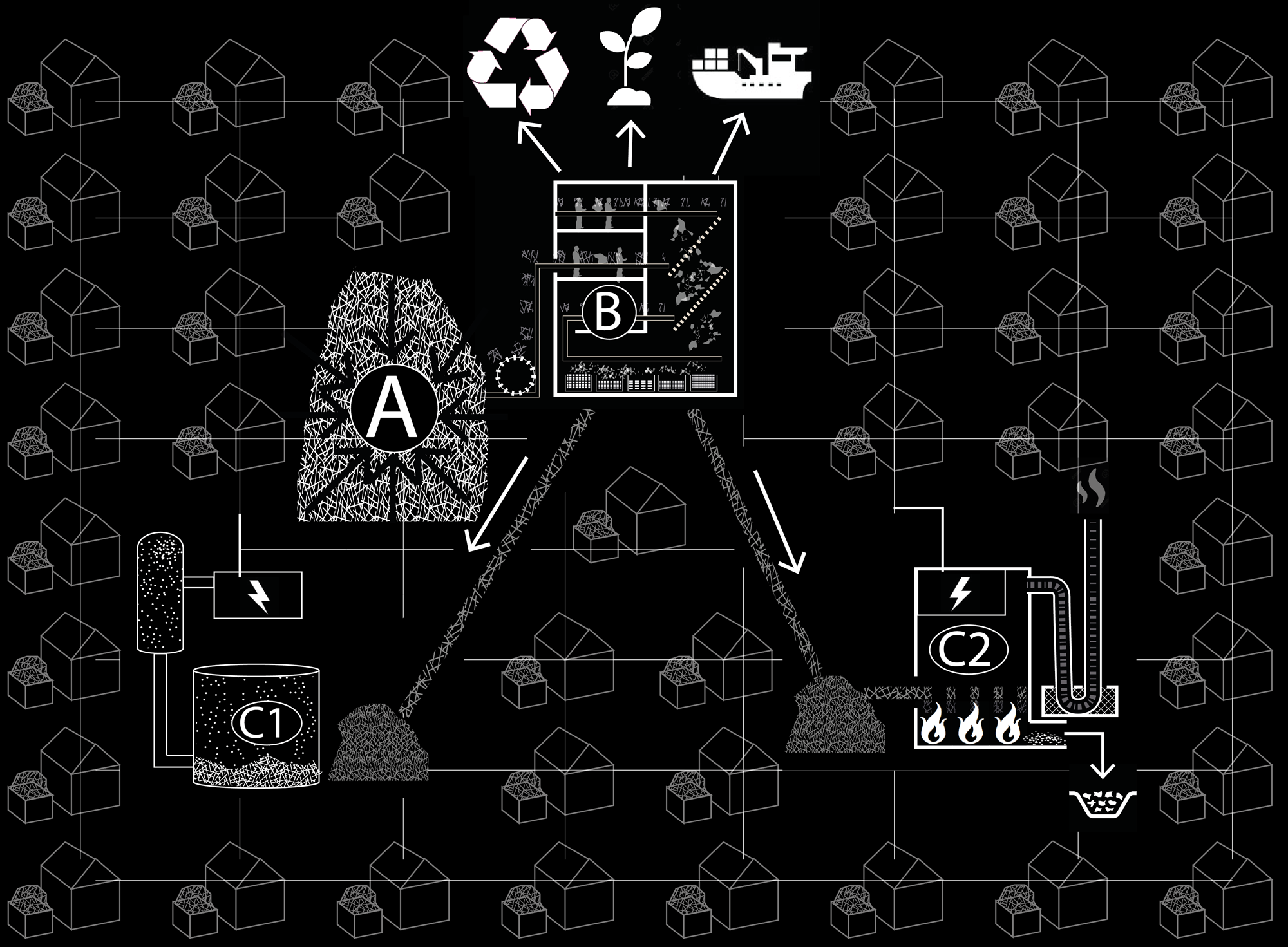
In his book Building and Dwelling, Richard Sennett1 points us towards the two opposite forms of urban evolution: rigidly pre-defined (complete) and additive. Arguably, most cities can be positioned somewhere in the spectrum between the two extremes. By looking at the respective city plans one could identify Moscow or Karlsruhe as examples of more complete, pre-decided and limiting urban patters, in contrast to the additive and incomplete grids of Barcelona or Sham Shui Po (Hong Kong) that continue growing based on certain rules if there is space for expansion.
For centuries, cities with additive grid have been defined by physical frameworks – whether Cerda’s more conventional dimension of an urban block from the 1860s or the more unorthodox shells, capsules and cells invented by the Japanese Metabolists in the 1960s2. Towards the 21st century urban formations are increasingly defined by services and infrastructure – whether utilities, transportation/flows or more recently data and IT networks. Can the city be defined by its waste management systems?
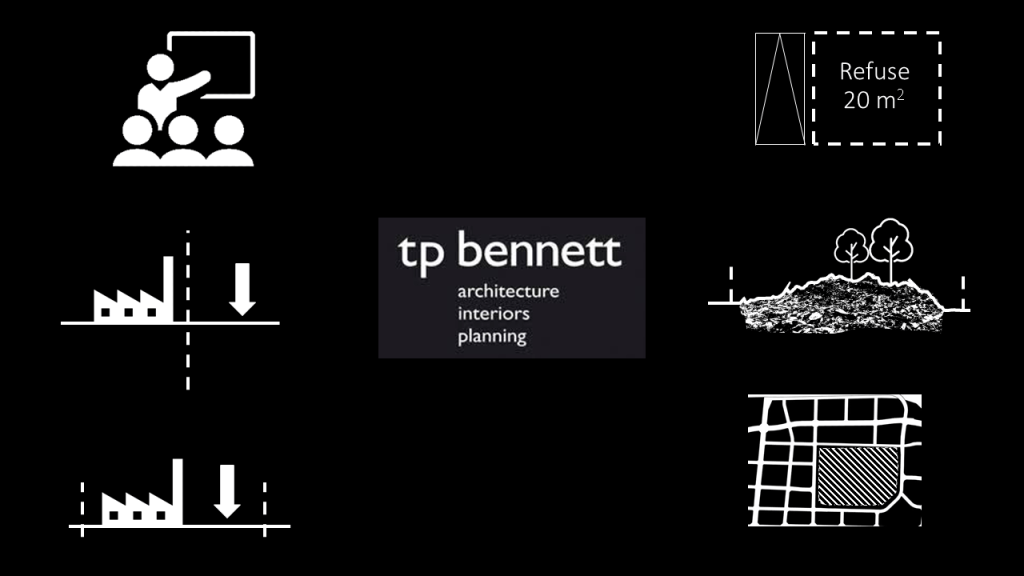
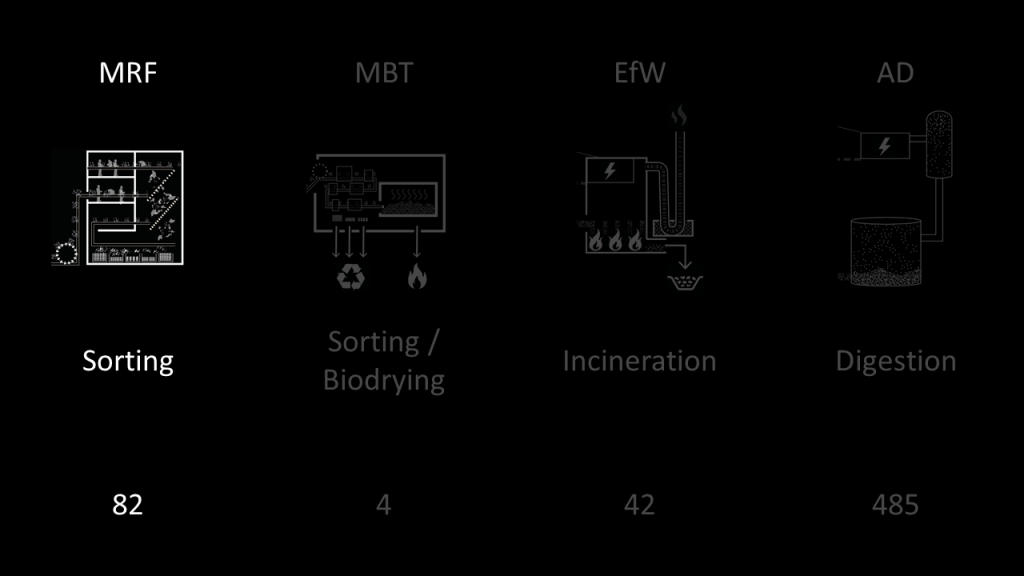
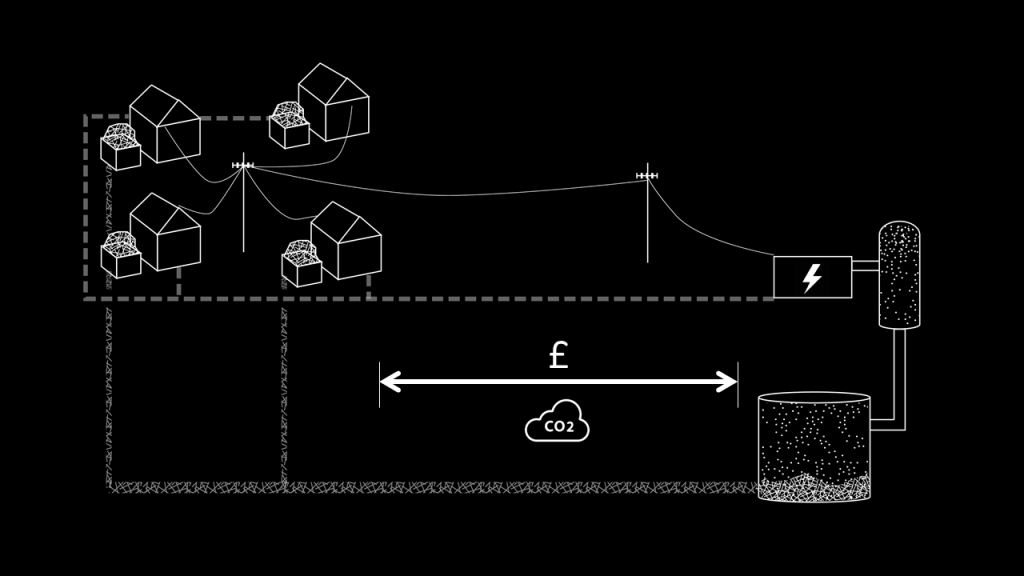
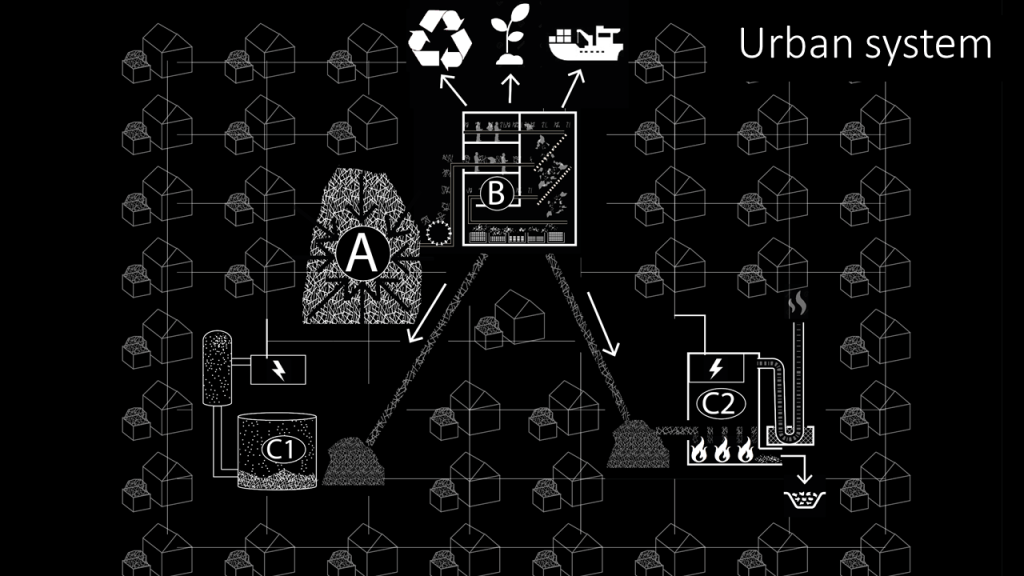
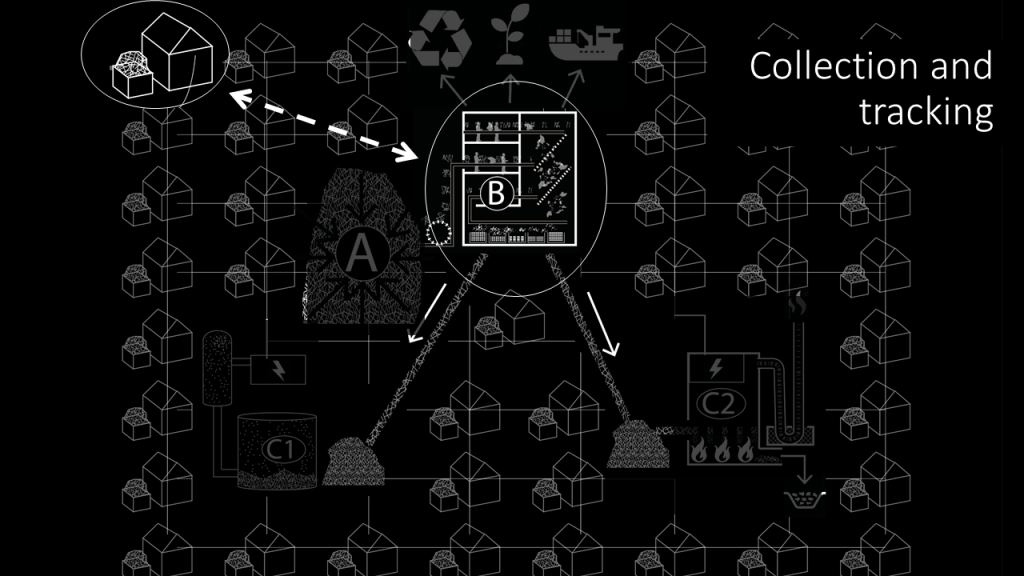
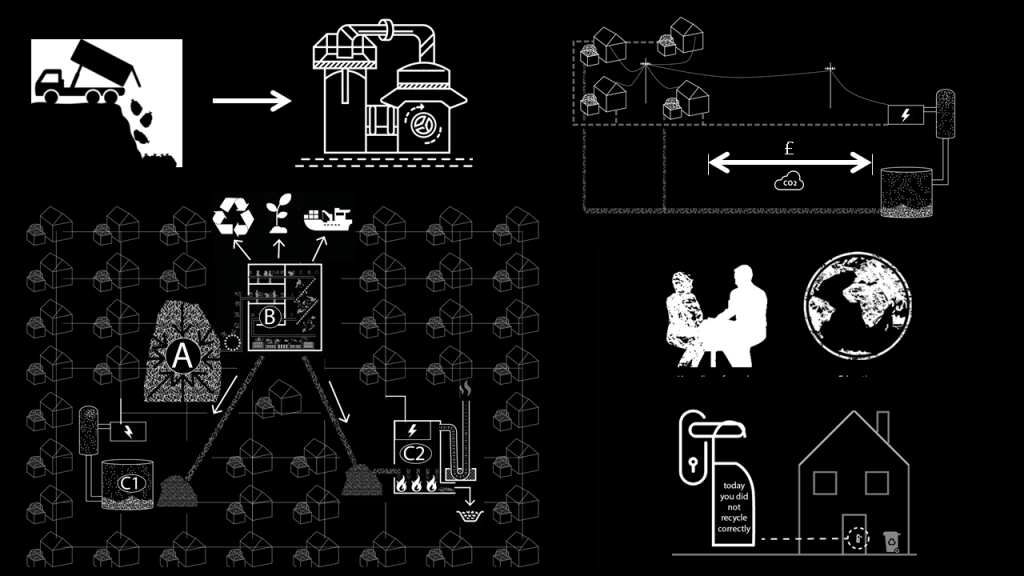
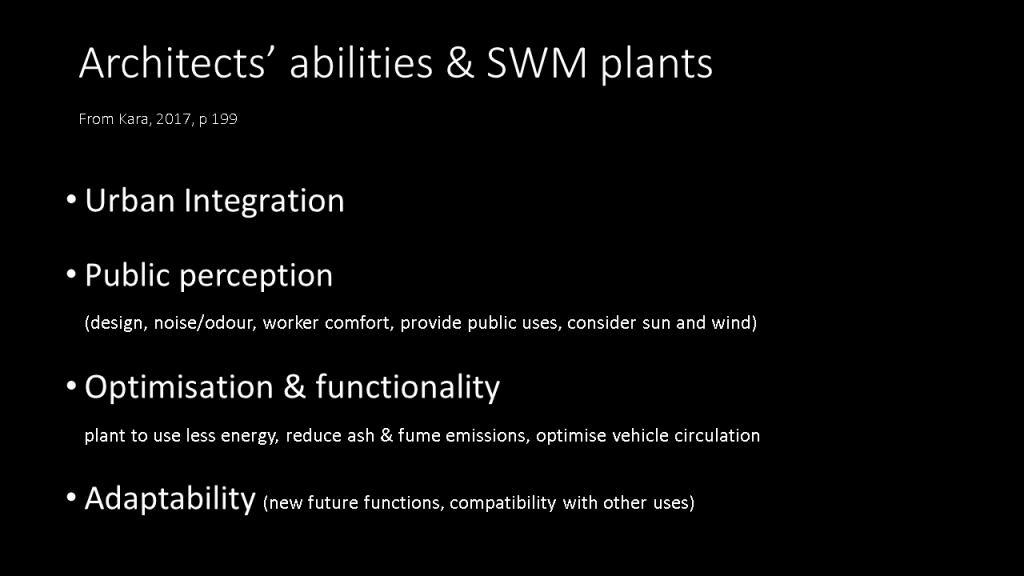
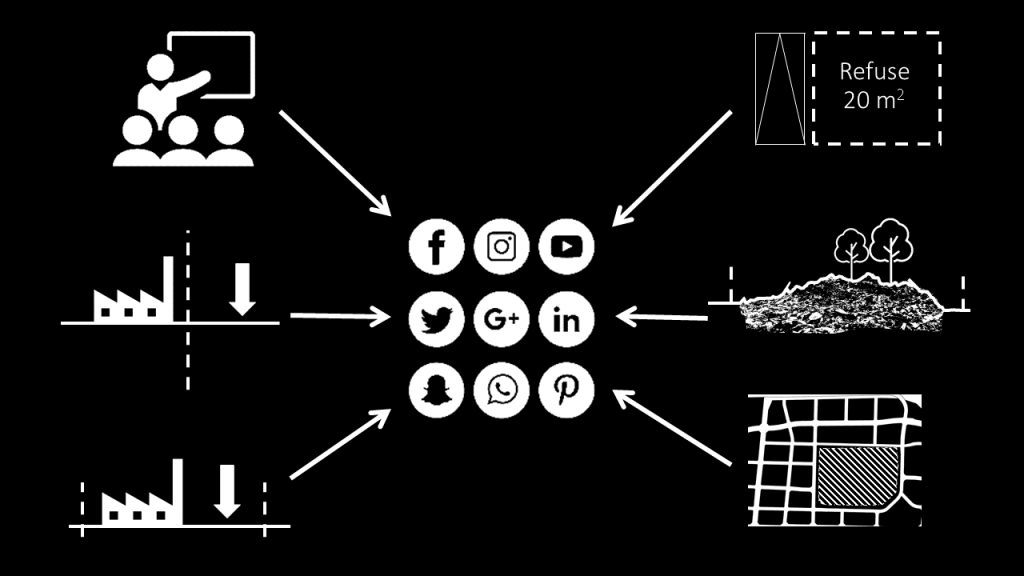
My talks given at the Universidad SEK (Quito 2018) and at ТР Веnnett LLP (London 2019) pitch the idea of integration and centralisation of waste-related infrastructure in buildings and masterplans, based on:
– waste generation patterns in commercial, residential and mixed urban areas
– optimised transportation distances
– environmental, social and economic benefits of centralising and inter
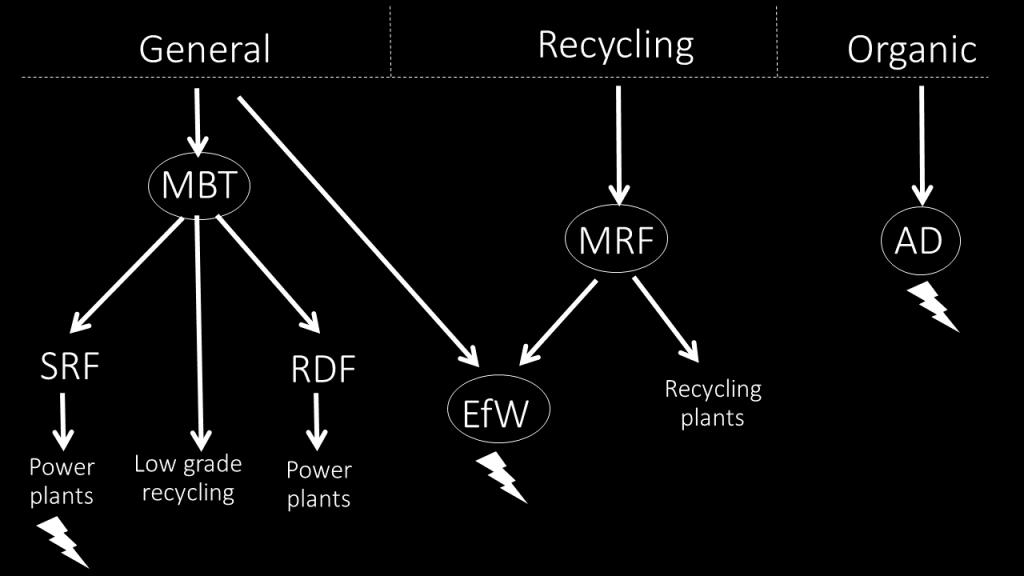
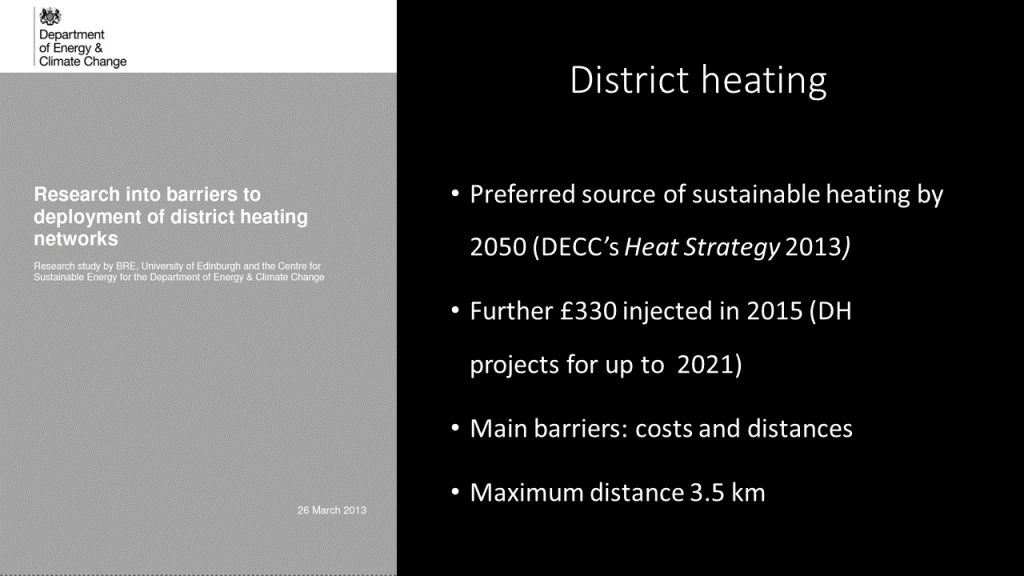
– functions of specific facilities relevant to their vicinity (eg. Energy from Waste District heating)
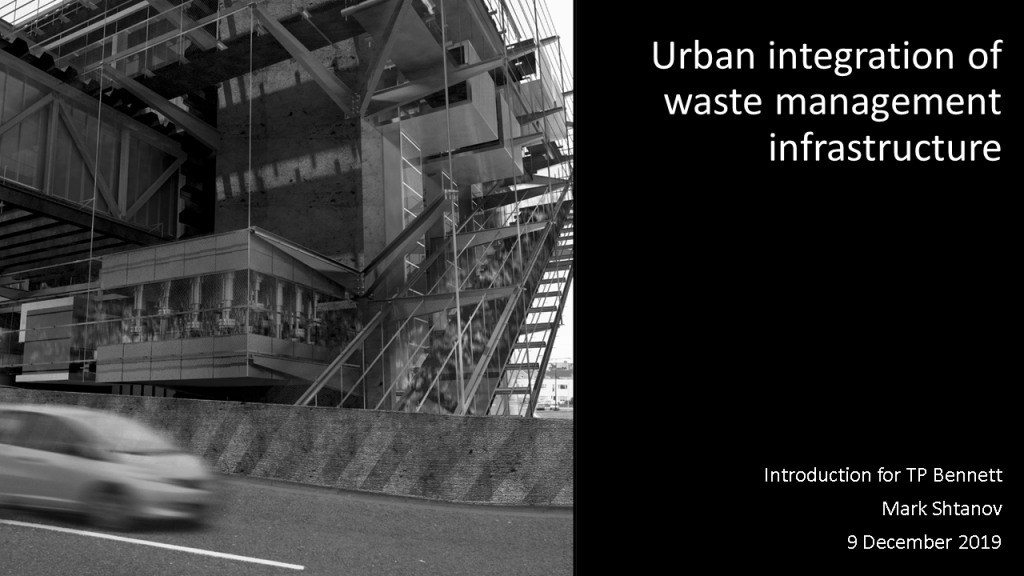
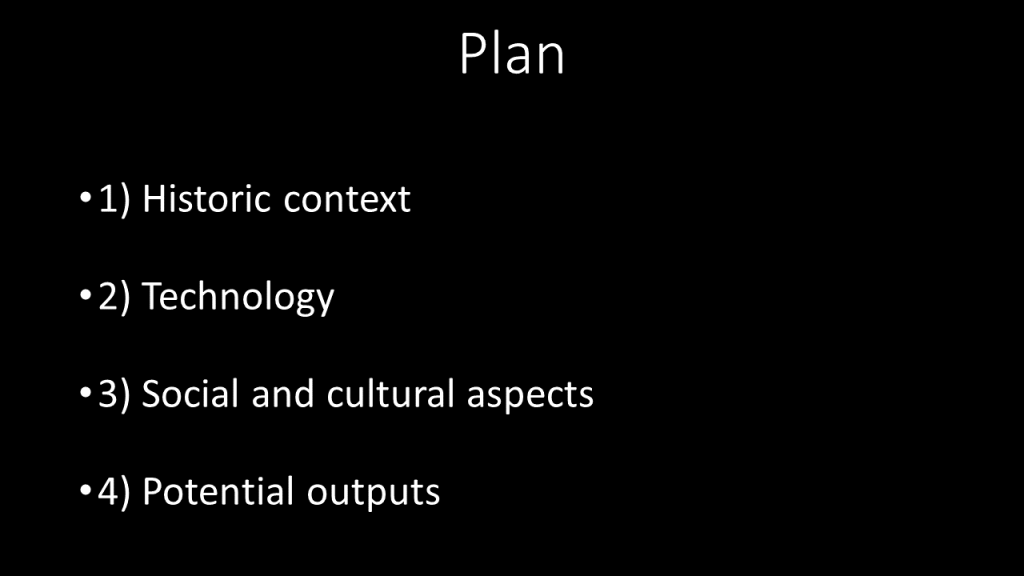
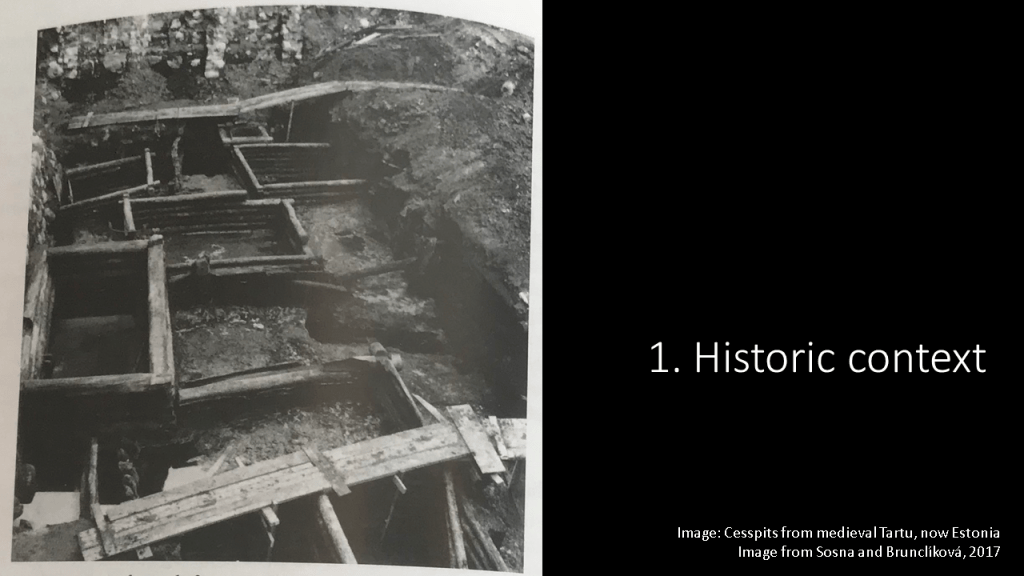
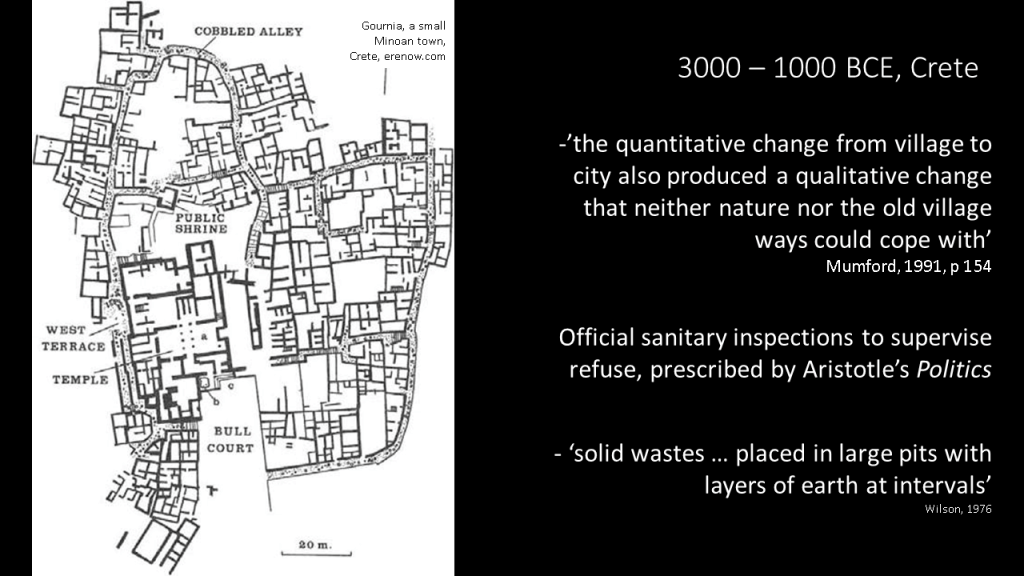
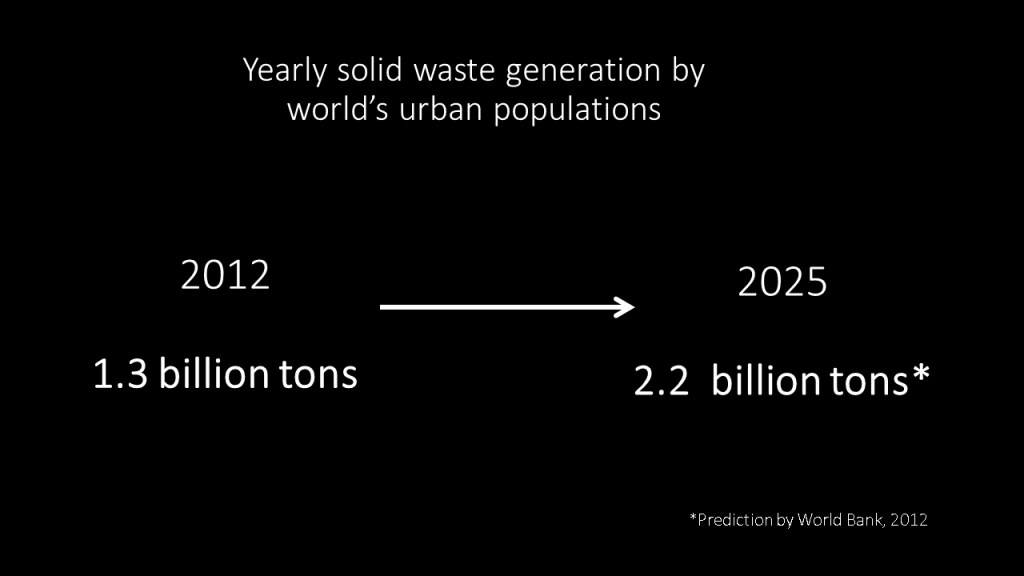
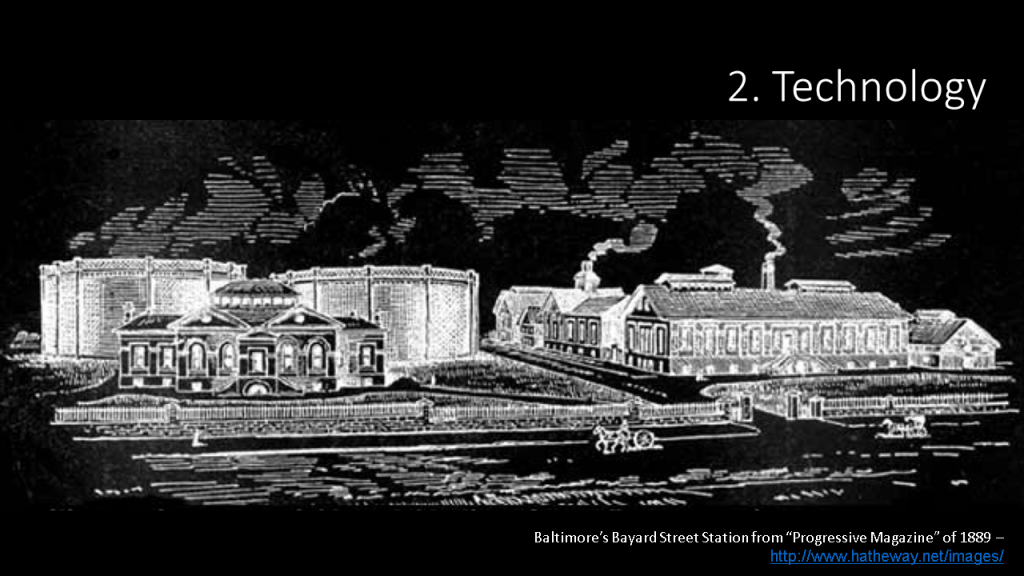
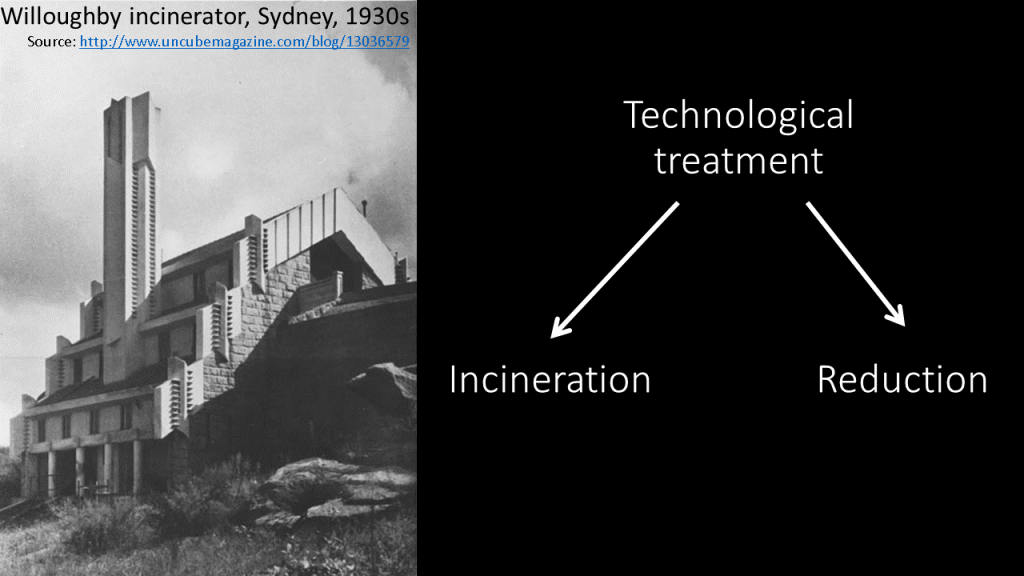
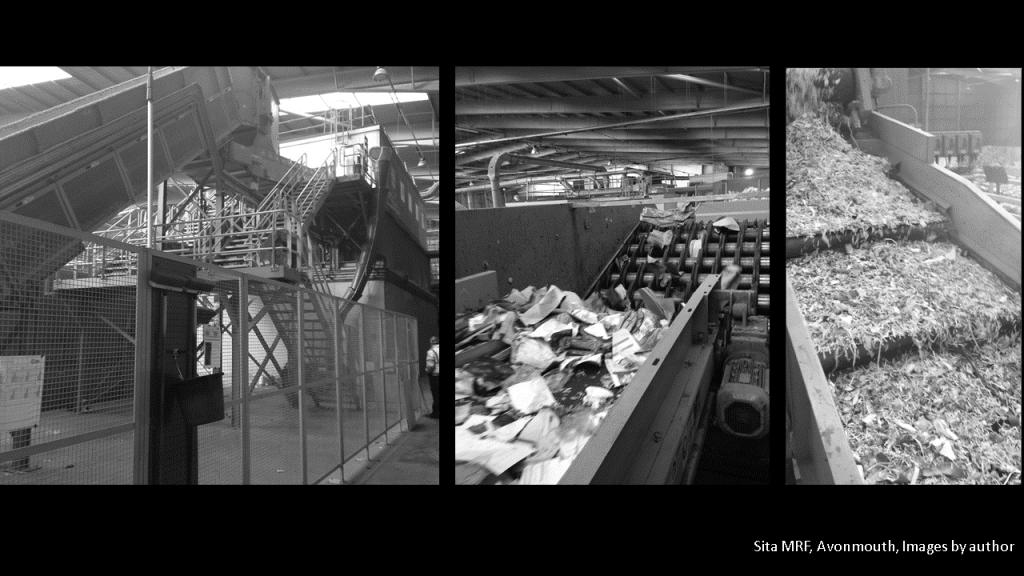
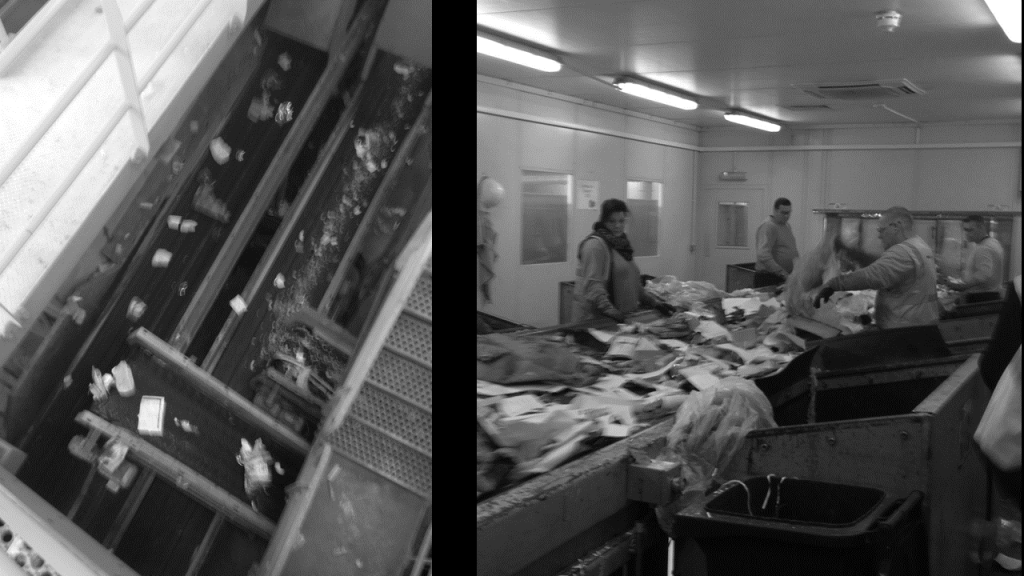
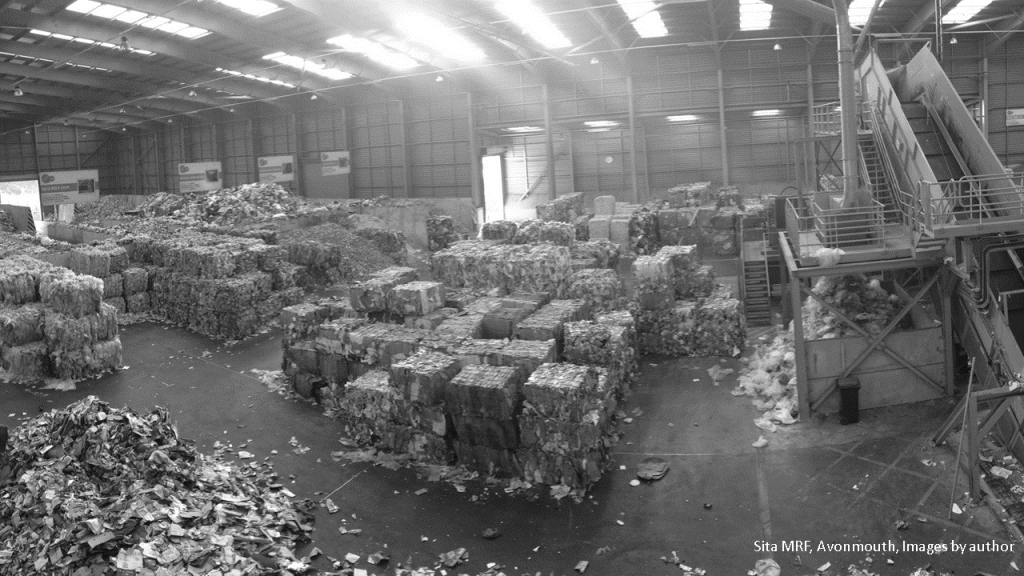
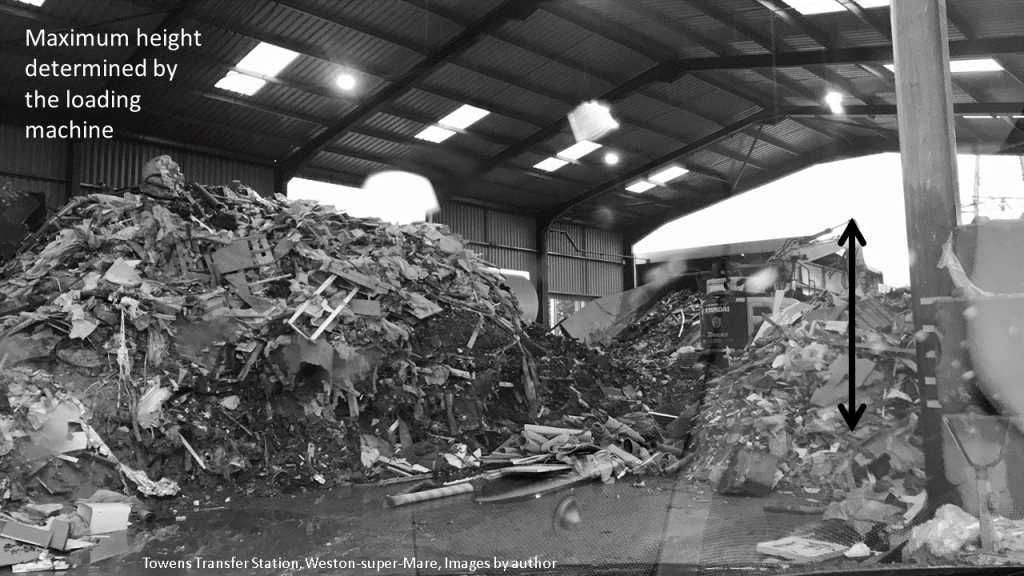
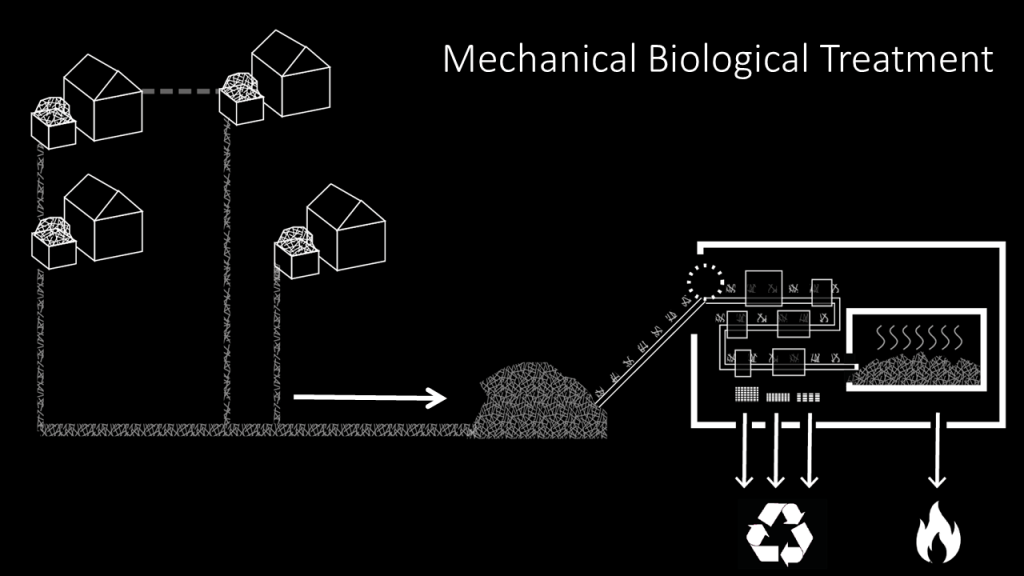
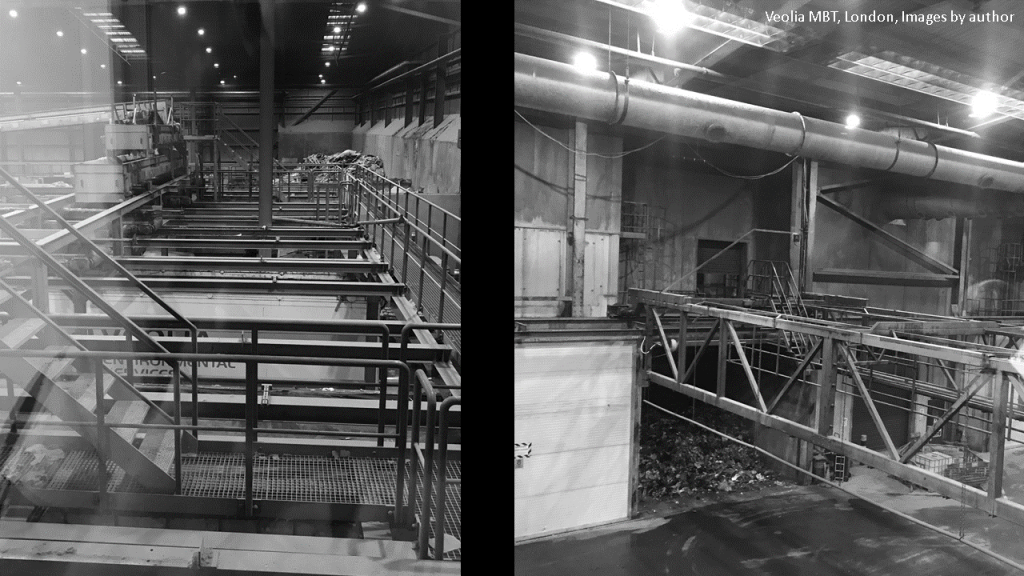
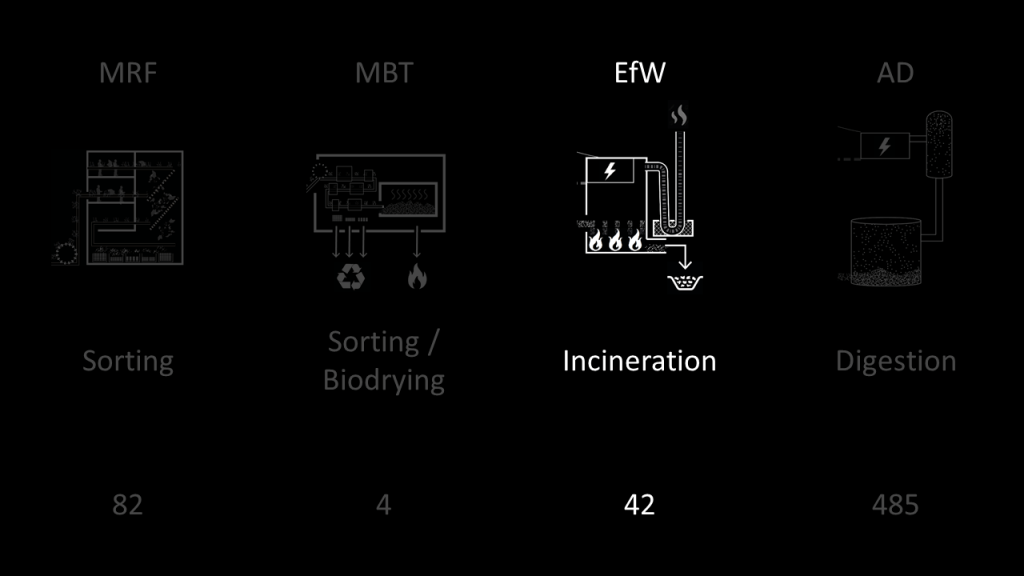
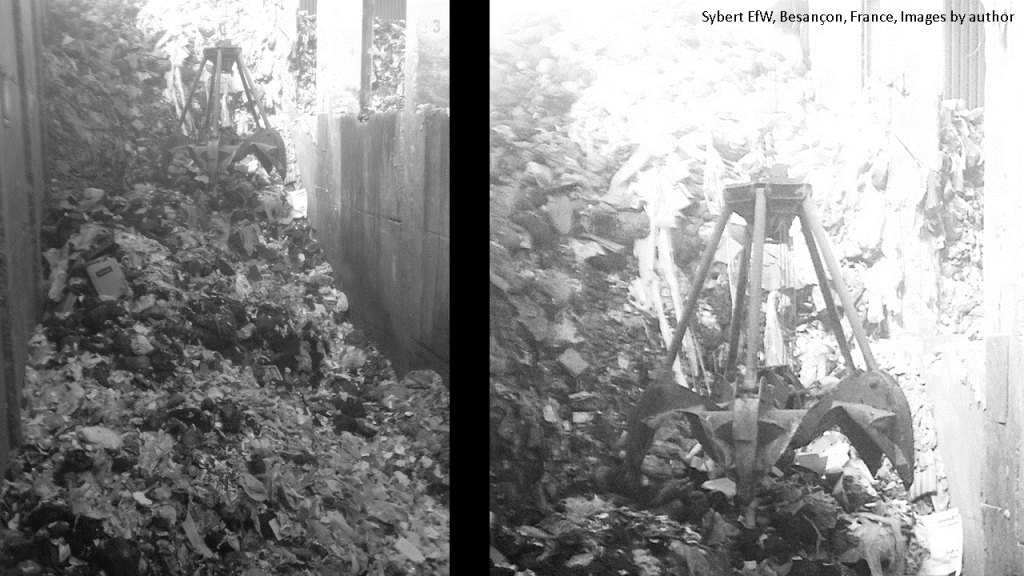
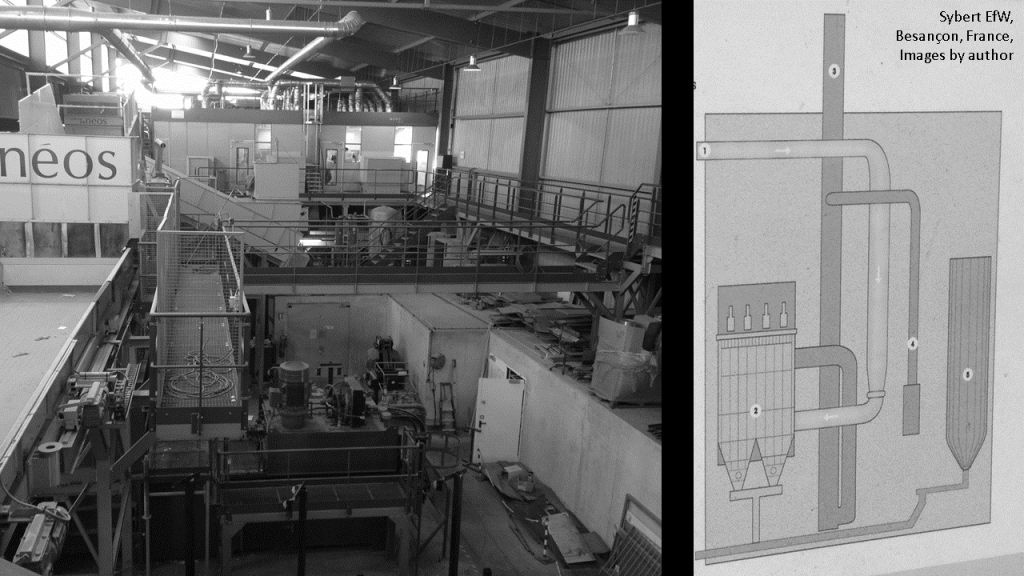
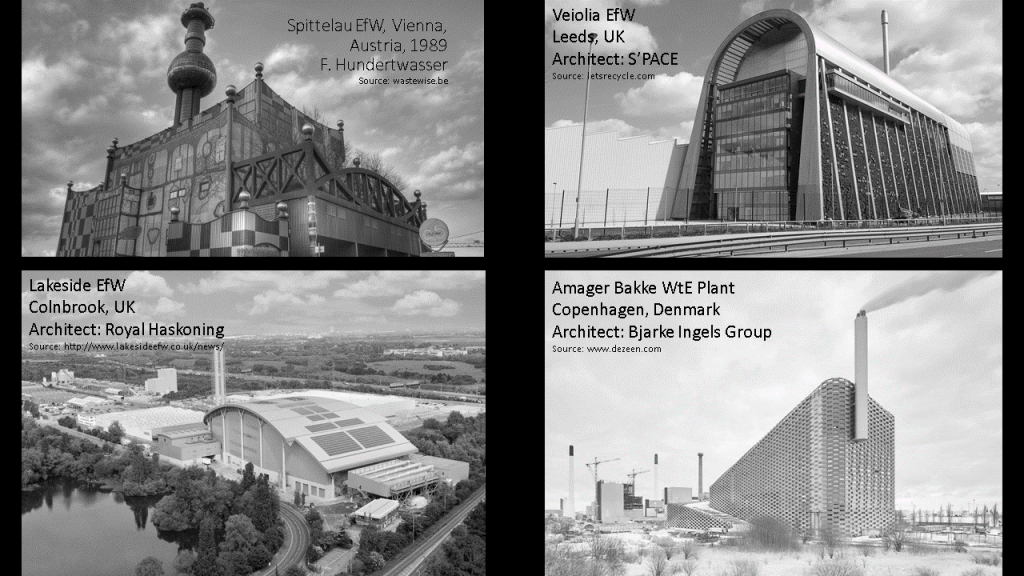
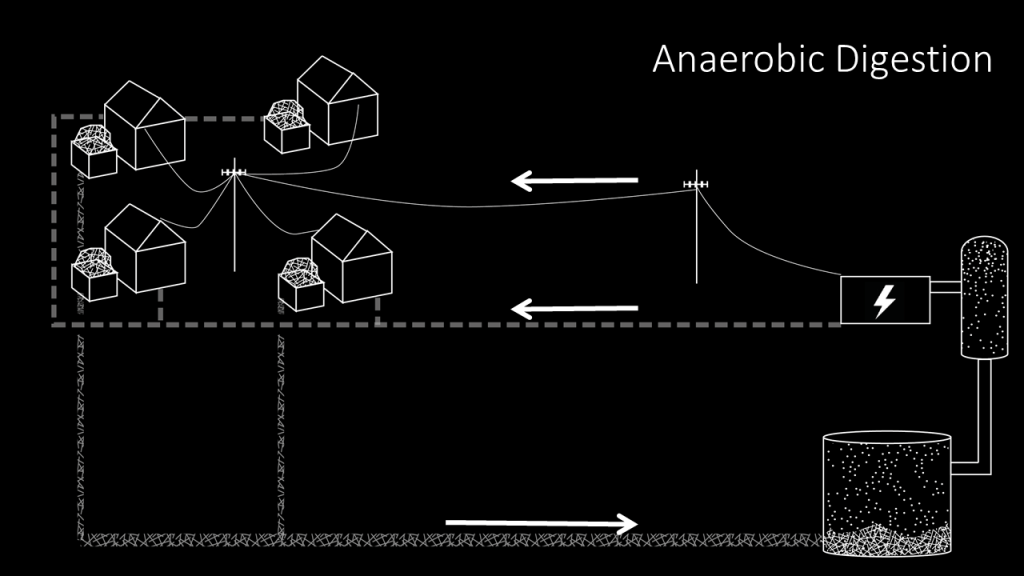
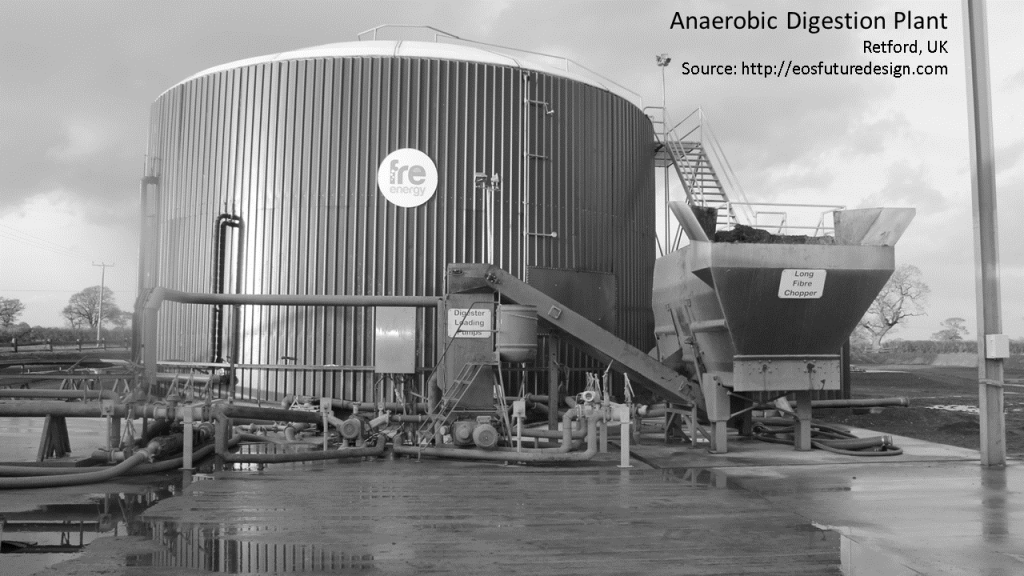
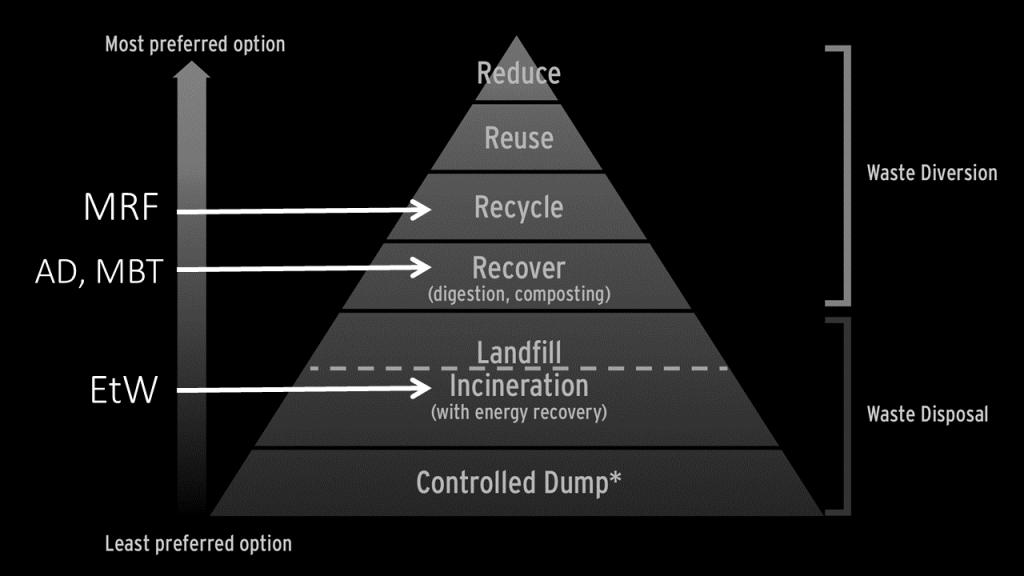
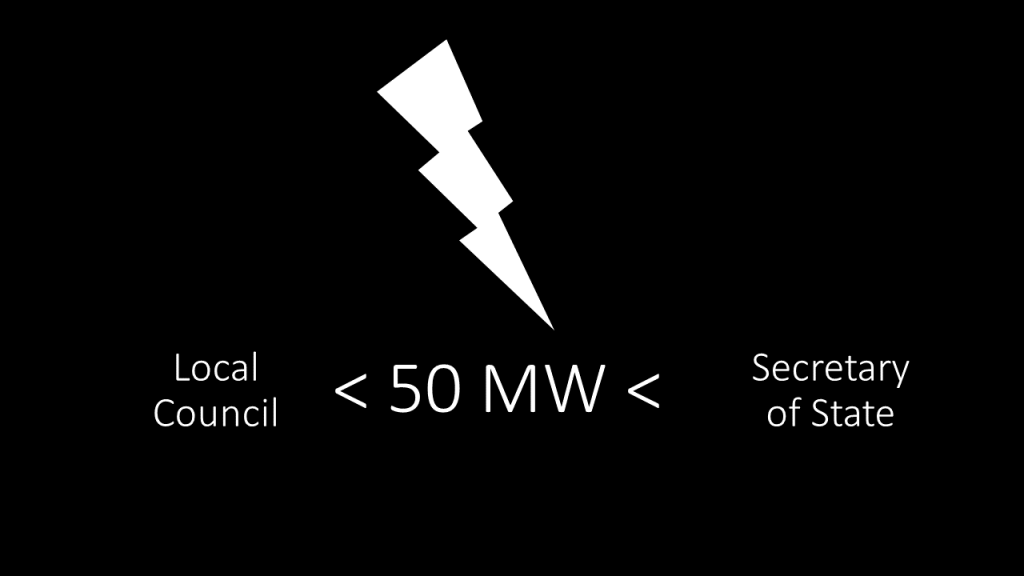
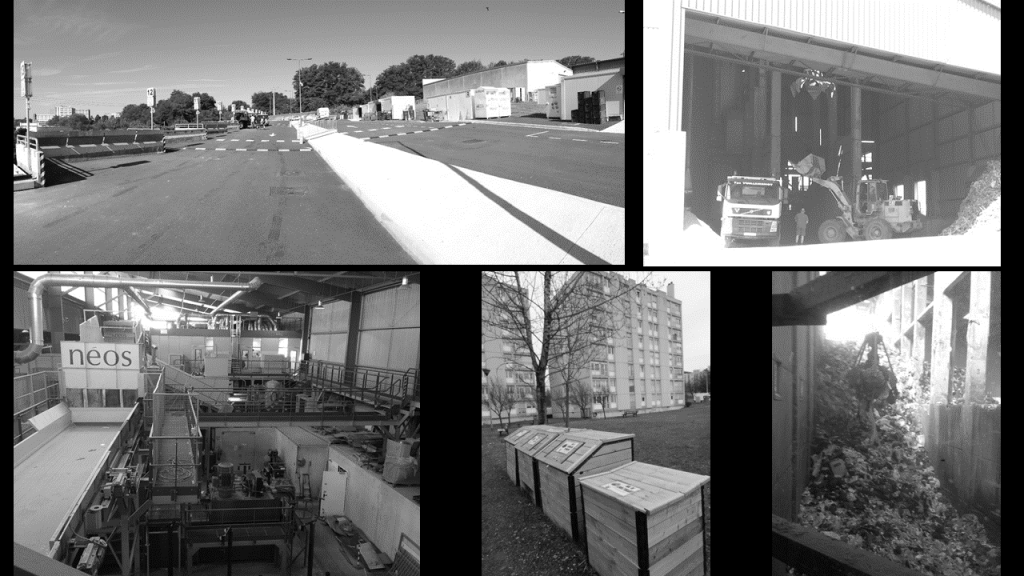
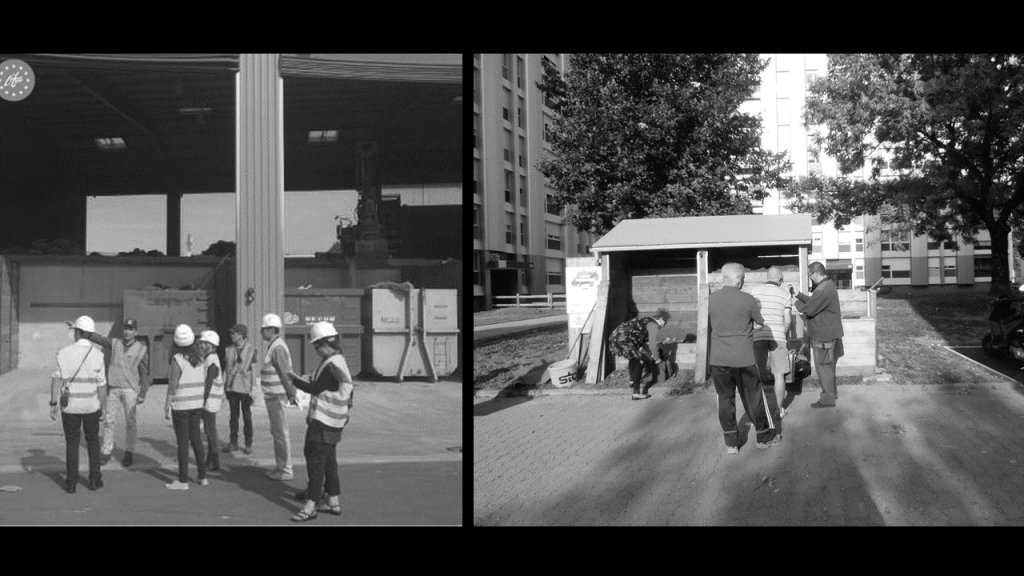
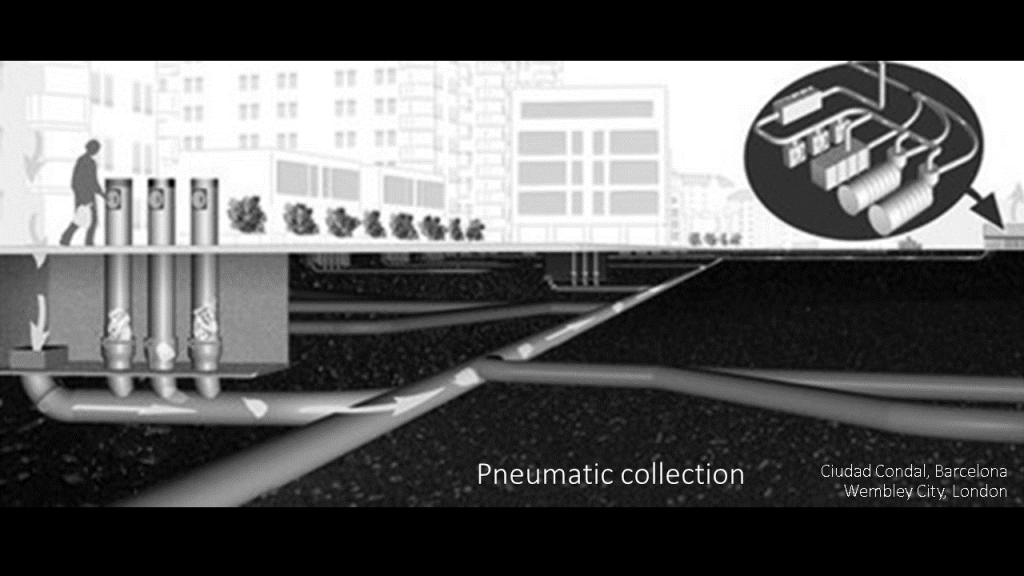
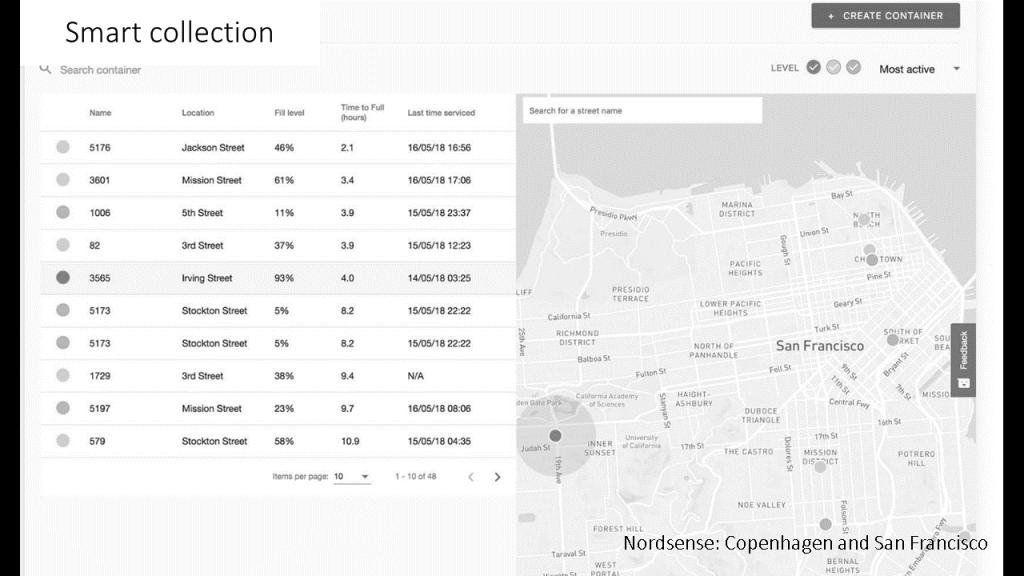
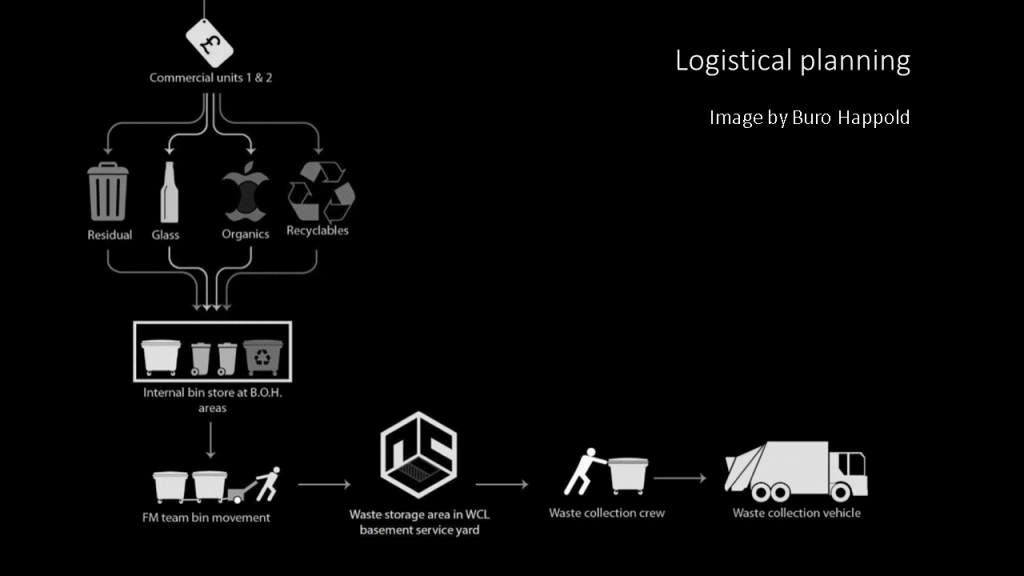
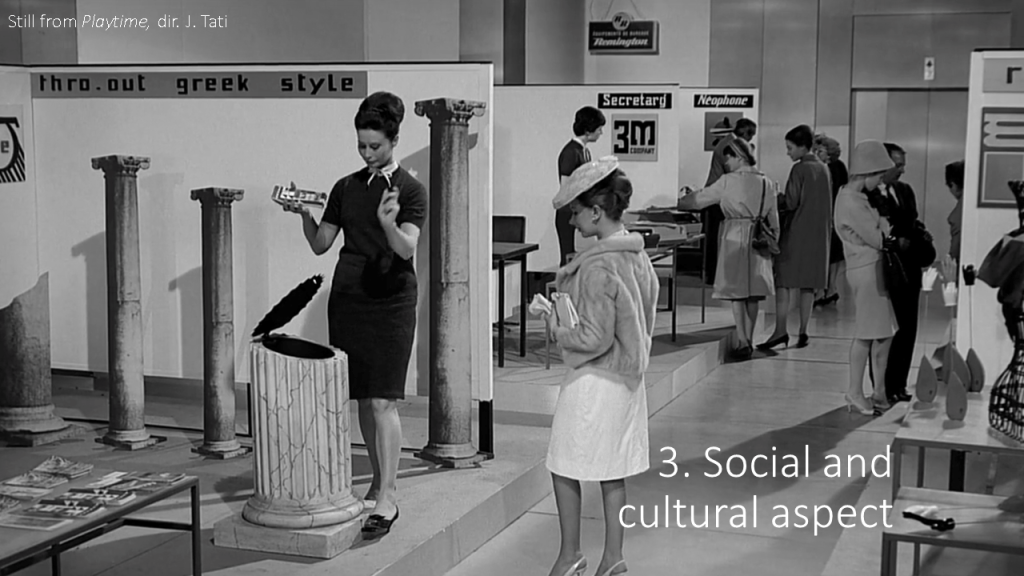
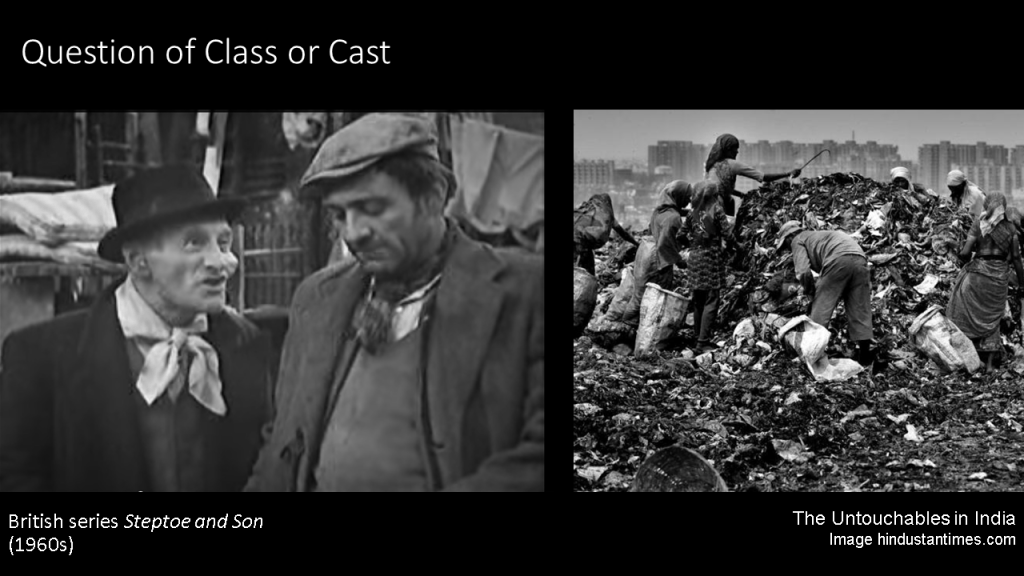
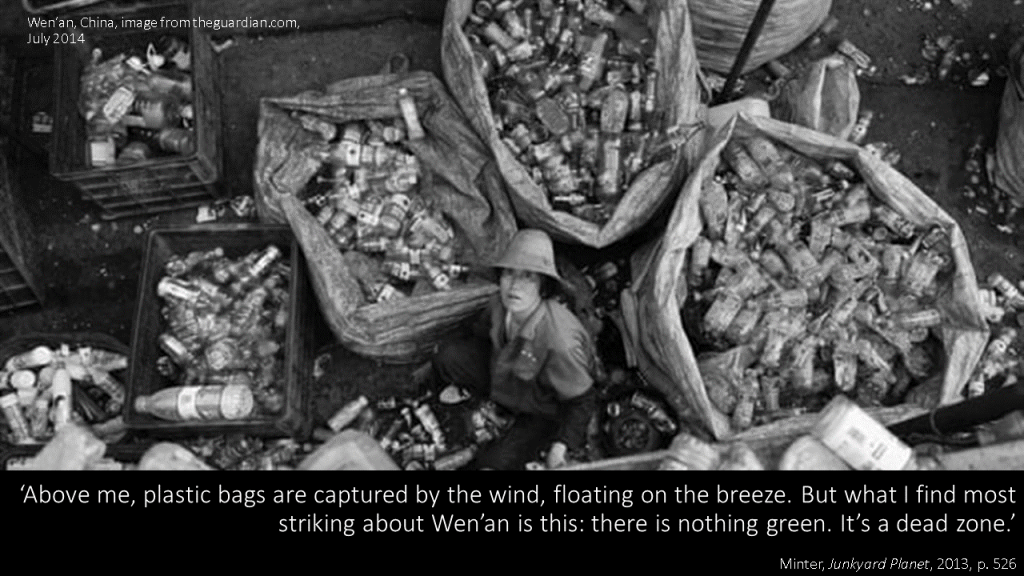
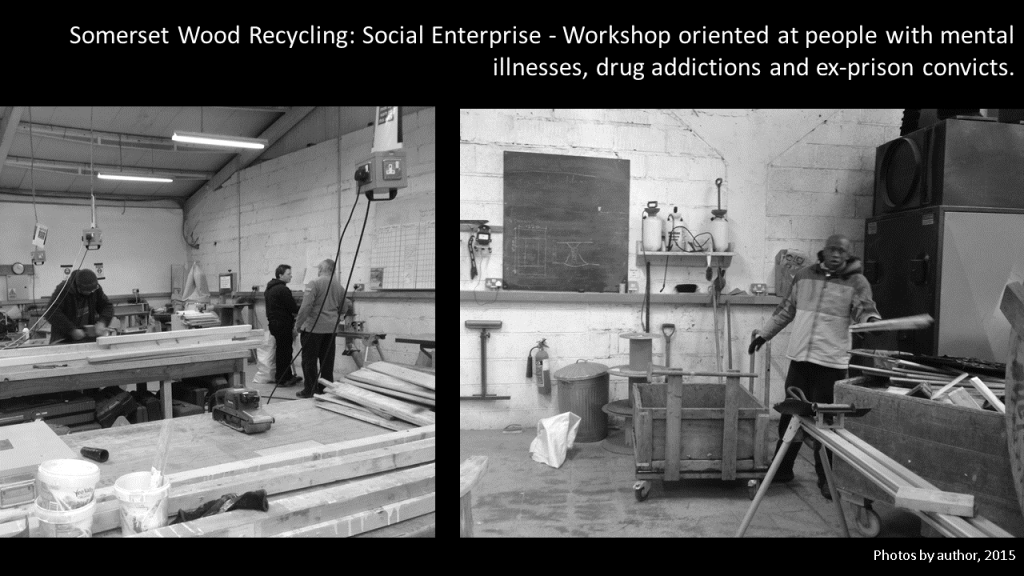
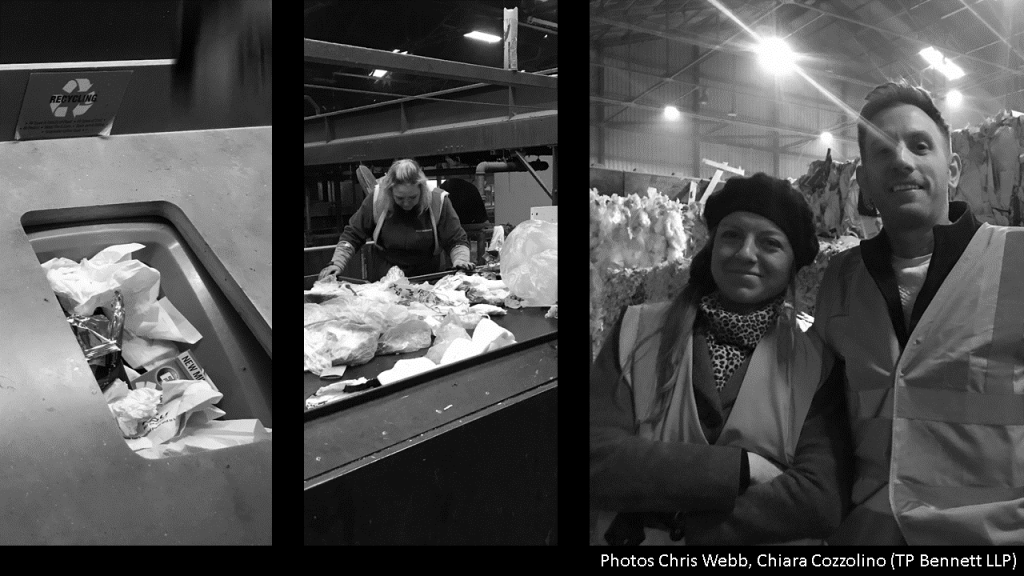
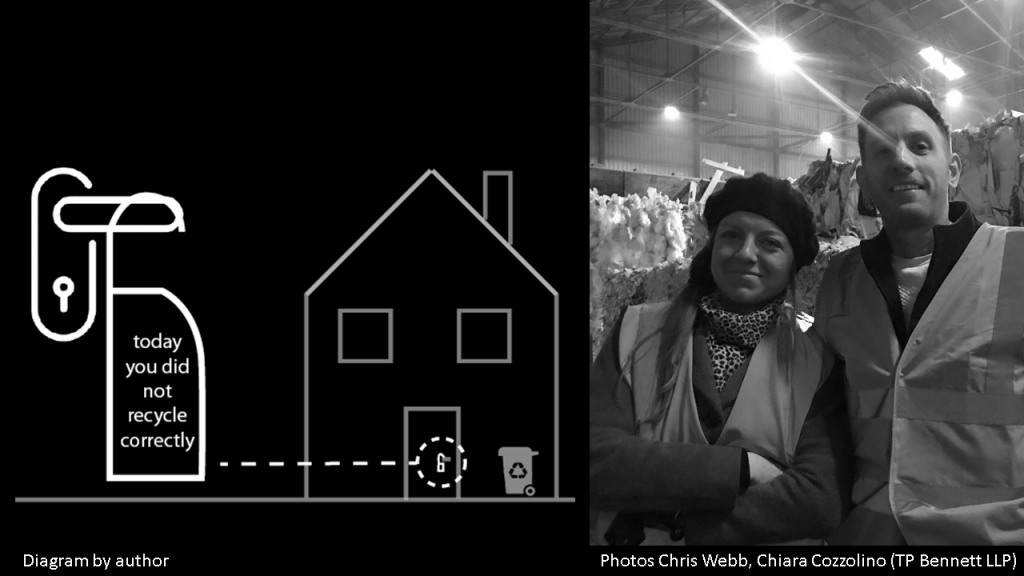
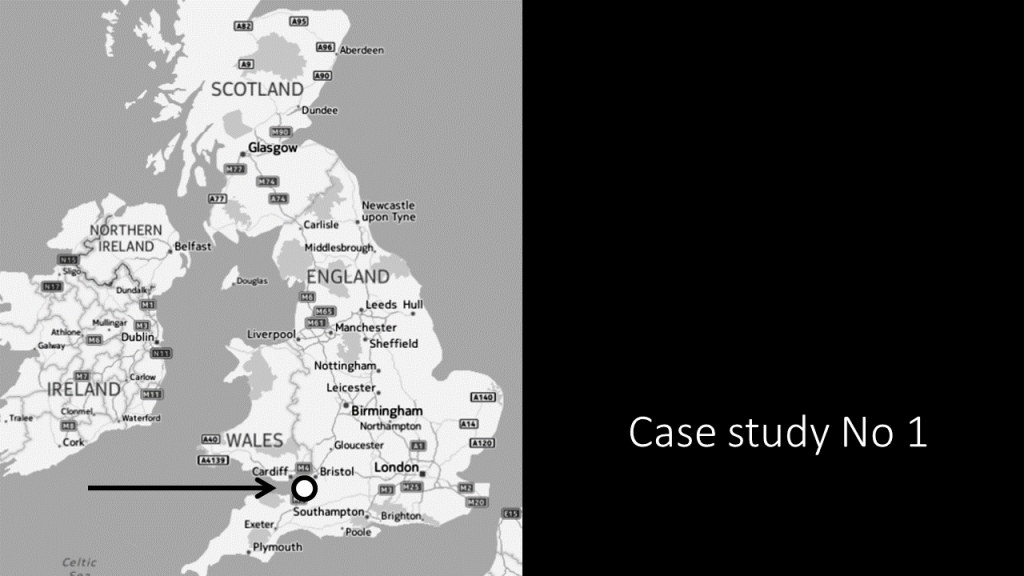
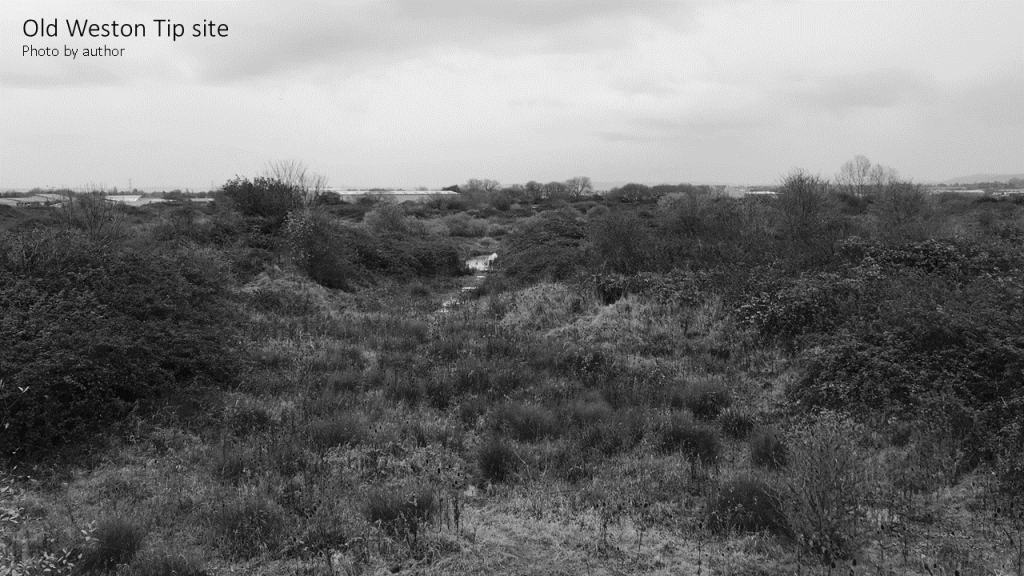
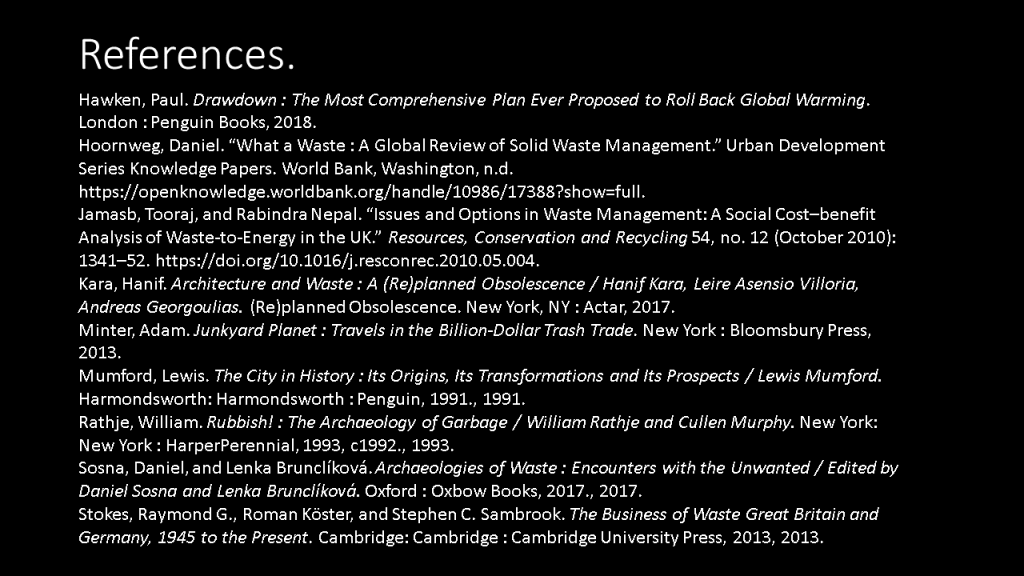
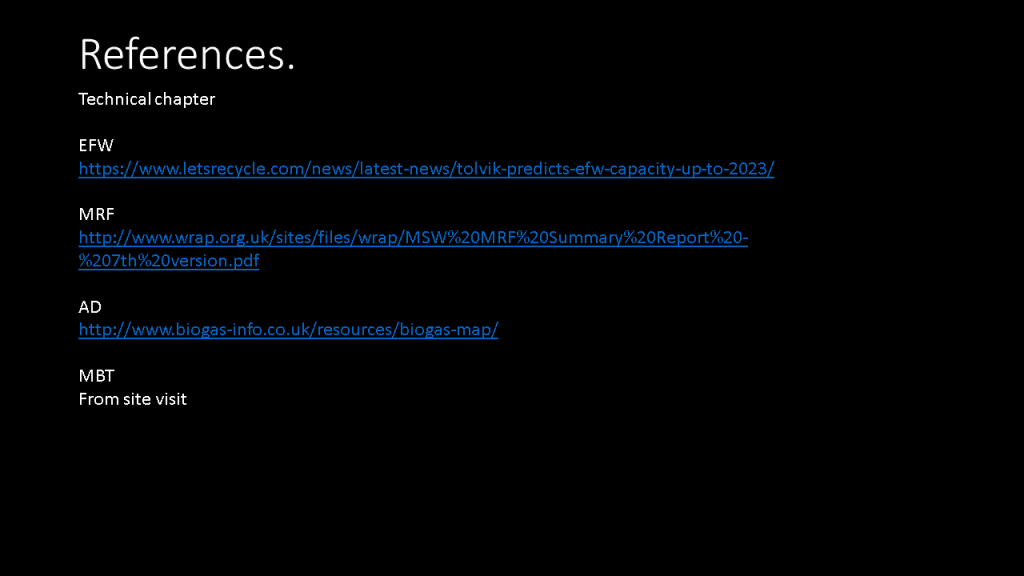
The key ambition of waste-conscious masterplanning is bringing the notion of refuse into the collective consciousness, given that it has never fully found its way back since its initial expulsion in Crete 4000 years ago3. The network of storage and treatment facilities and waste transportation becomes an eco-system of a sort, based on the optimal distances and other factors outlined above. The slides from one of the talks are provided below.
















References:
1 Sennett, Richard. Building and Dwelling : Ethics for the City / Richard Sennett. London : Penguin, 2018.
2 Koolhaas, Rem. Project Japan : Metabolism Talks. Koln ; London: Koln ; London : Taschen, 2011.
3 Mumford, Lewis. The City in History : Its Origins, Its Transformations and Its Prospects / Lewis Mumford. Harmondsworth: Harmondsworth : Penguin, 1991., 1991.

 no.balsa