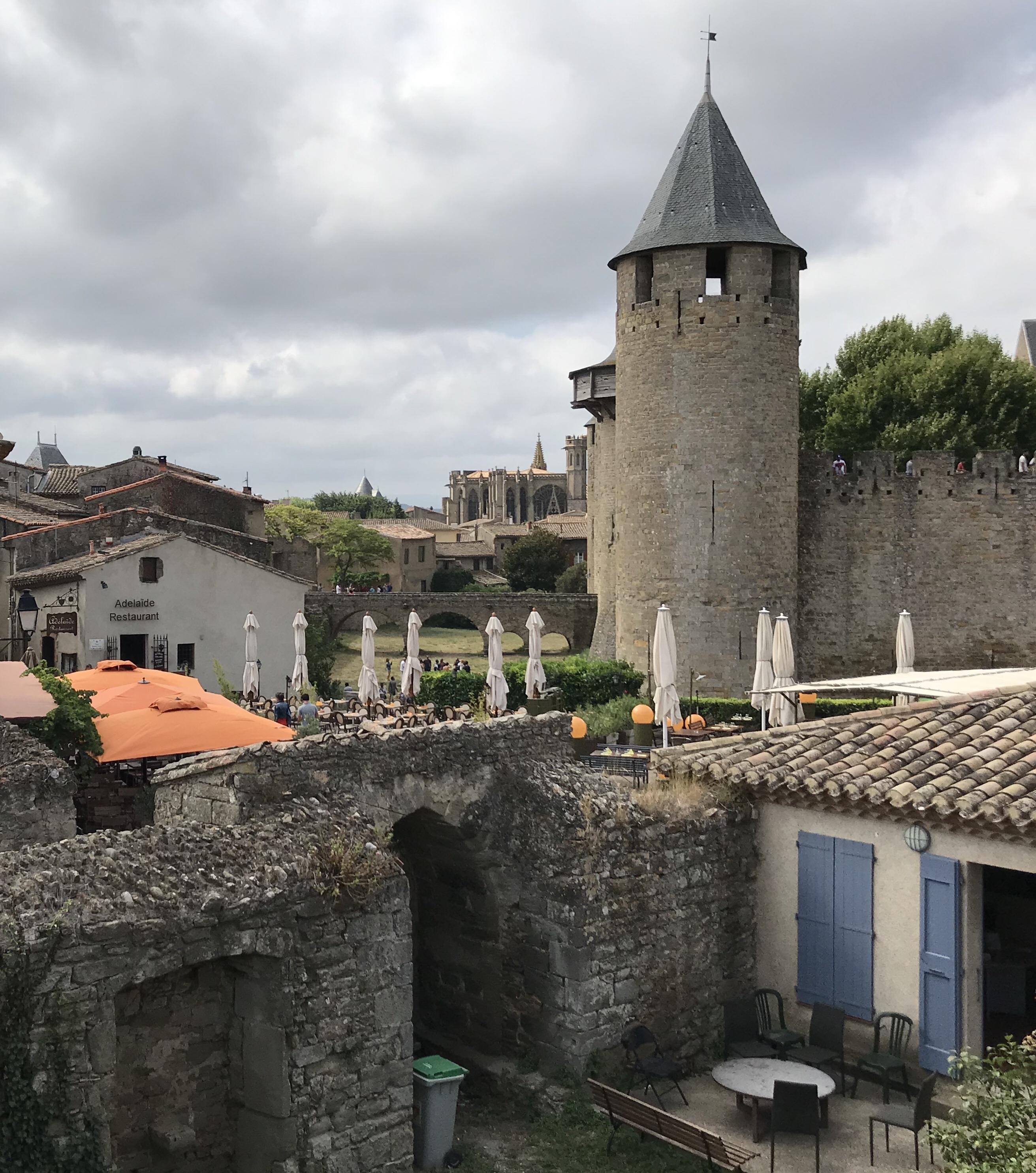
It happens that entire towns change their principal function over the centuries. An example of such transformation is Carcassonne in mid-southern France, established in the 4th century b.c.
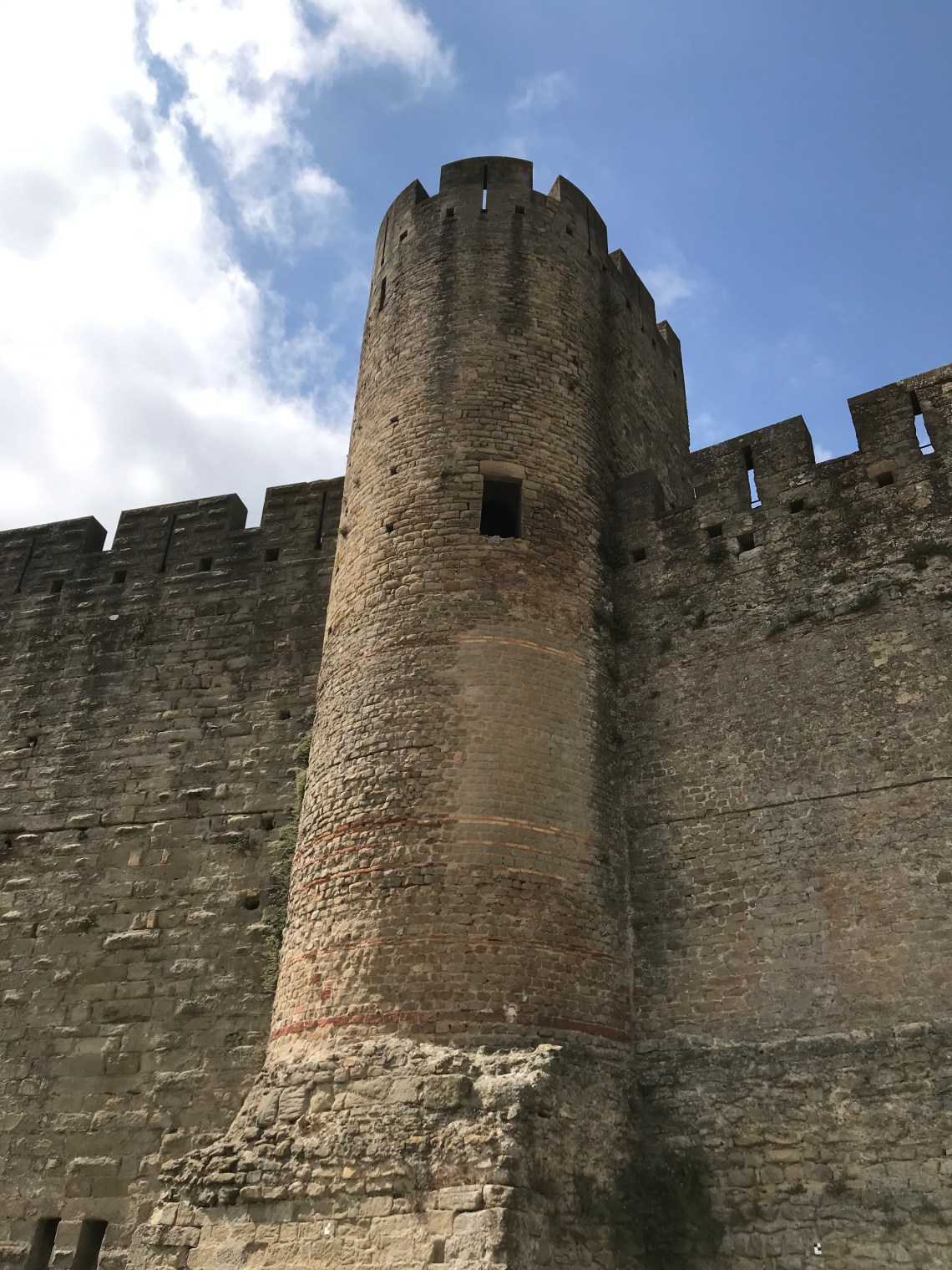
As a strategic mid-point on one’s route between the Mediterranean and the Atlantic, the walled city saw some of Europe’s bloodiest battles, those of 11tg and 12th centuries between the catoliques and the Cathars, and those of the 100-year-war, when the region’s ruler Aliénor of Aquitaine married the English king Henry II, casting a shadow over the the Sud-Ouest’s national identity within disintegrated feudal France.
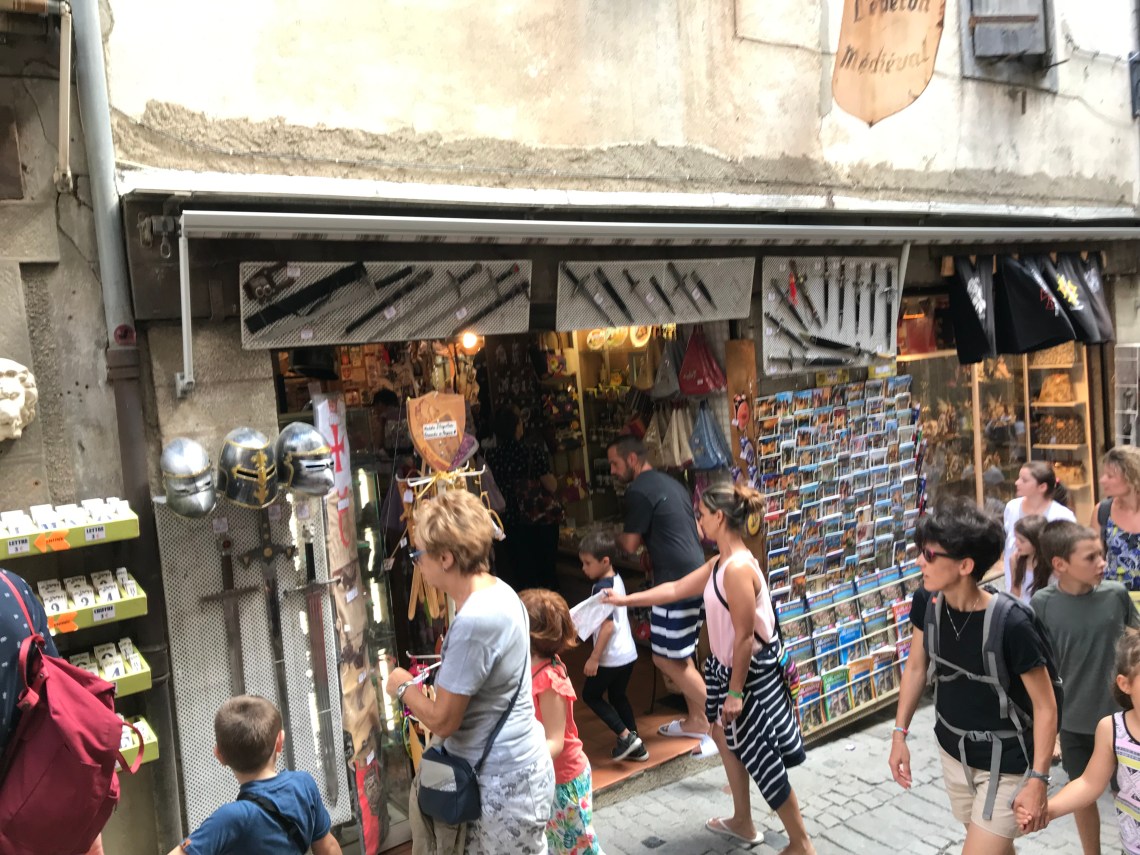
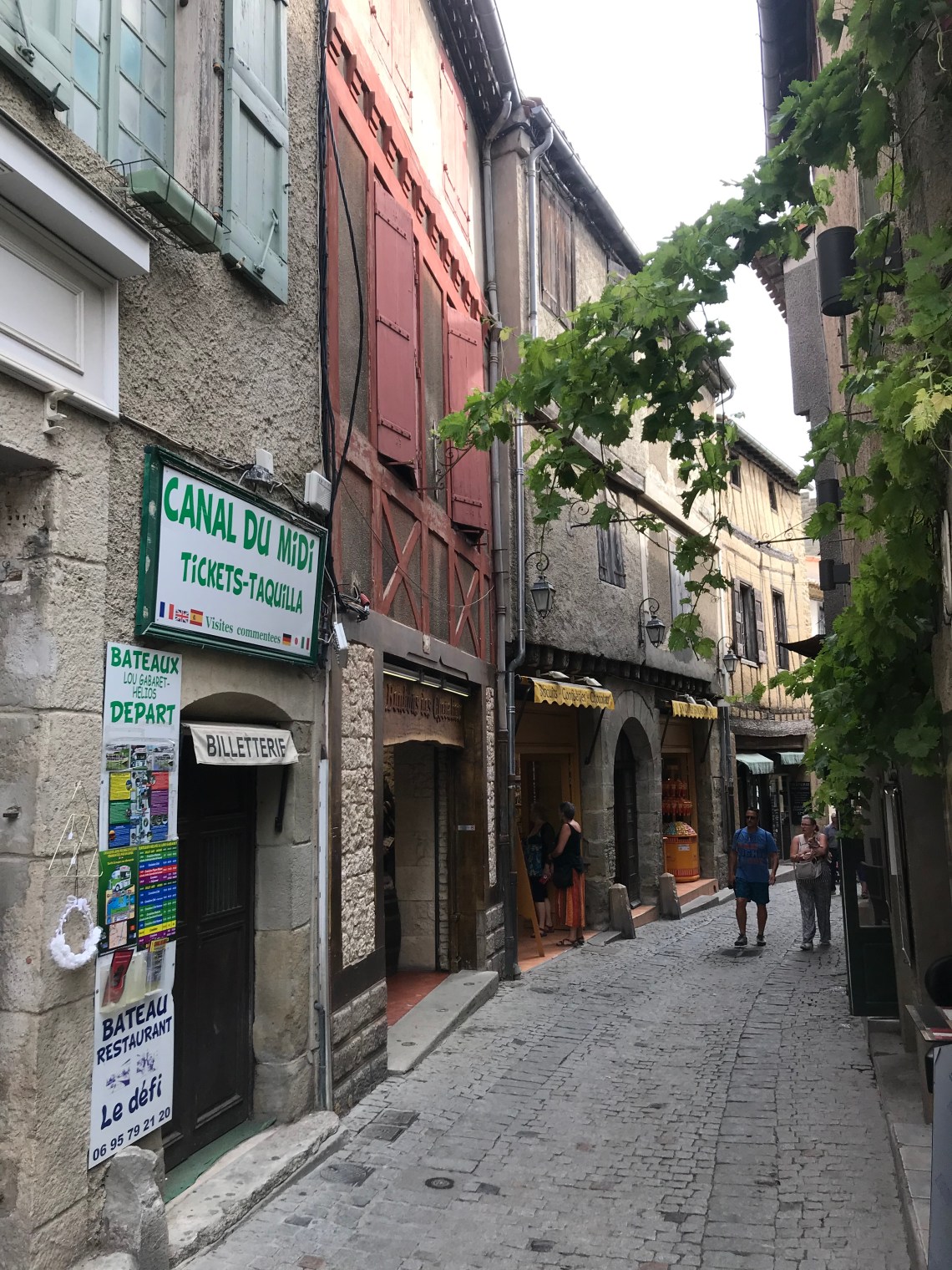
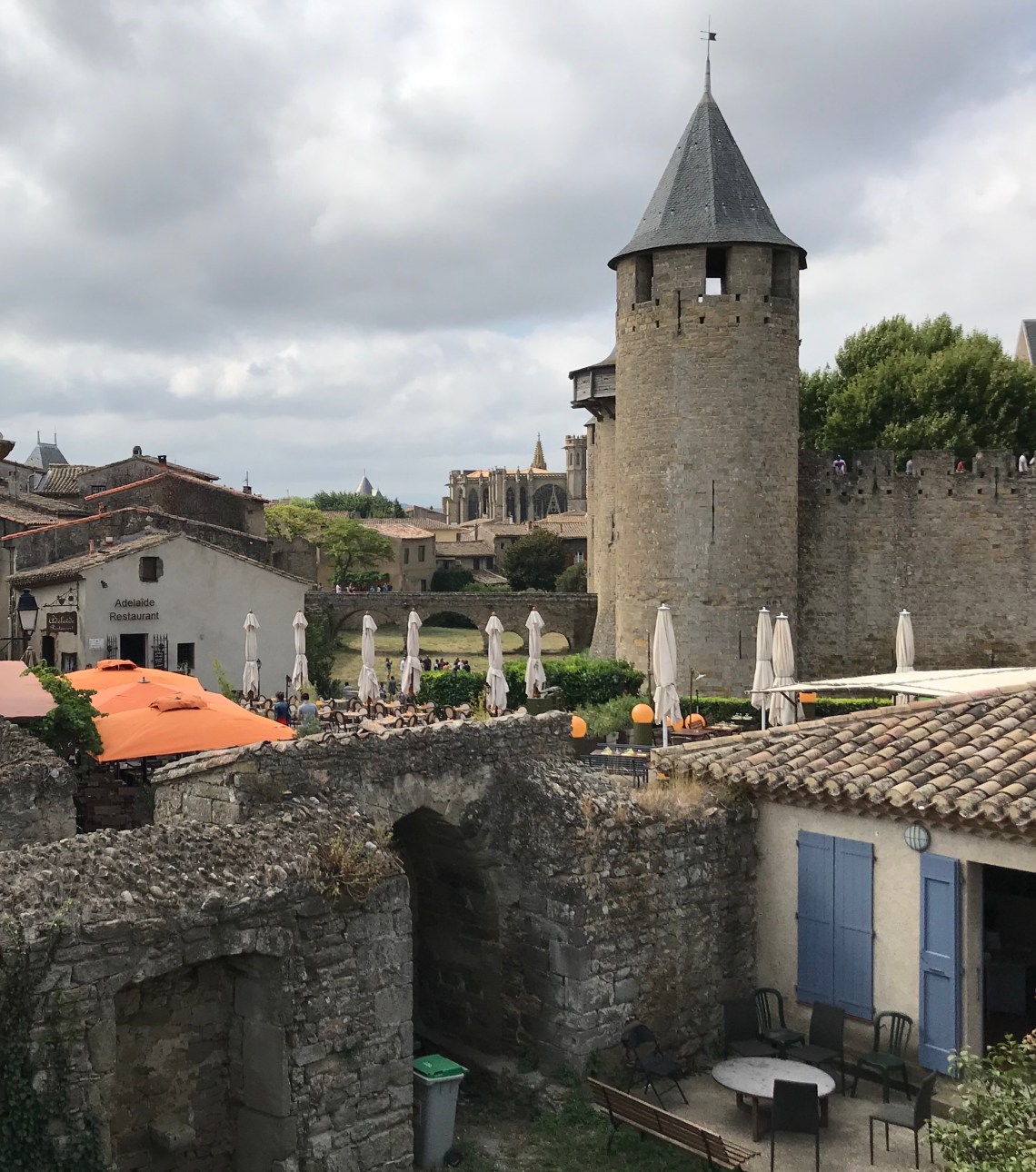
When meandering through Carcassonne’s streets, not only one observes numerous cafes, tourist shops, museums and ordinary residential houses. One discovers a network of businesses and services catering for most of modern consumer needs. Those into the 1000-year-old tales can purchase swords, armour or full-scale statues of knights. Those home-shopping would go for artisanal soap and fine dressing gowns. Those preferring to ‘live in the moment’ would prefer ‘haunted houses’ or establishments offering inquisition and torture experiences. Those into sports can gear up in the specialist ‘New Zealand rugby’ store. Through the foliage of postcards, ice creams and outfits one sees through to the spiked barriers, murder holes, arrow loops and other crumbling reminders of the city’s former function.
It appears that the arena of former bloody mass slaughter became purely a consumer commodity. Medieval walled citadel, one of the two archetypes* of a modern city has become a shopping centre.
* Lewis Mumford, The City in History : Its Origins, Its Transformations and Its Prospects / Lewis Mumford. (Harmondsworth: Harmondsworth : Penguin, 1991, pp. 107-108).

 no.balsa