
Hong Kong is a crossroads of opposing cultural flows, and its identity search is likely to continue for quite some time. Stretched between China and the west, Hong Kong is inventing its own culture through mixing teas and coffees (dong YingYang), ramen and pesto, English and Cantonese. This place itself is a stark juxtaposition of poorly-finished luxury and brilliantly improvised efficiency.
Through its adverts and t-shirt slogans Hong Kong pretends to be English speaking but under the surface is very Cantonese and complicated to understand when one tries to look for deeper meanings and processes governing its busy everyday environment.
It is where efficient operation of most things is achieved through robust and minimalist approach, whether the planning and services of a Sham Shui Po apartment building, the operation of a Dai Pai Dong restaurant or a university lecture about the ideal mix of generic and specific keywords to be used in a an essay.
After Lagos Hong Kong was dazzling bright but silent. Here I met the most gentle, polite and quite people from all the countries I’ve been to and I now feel closely connected with some of them. Yet, in this quietly hardworking society, I have also noted pockets of suppressed silent jealousy and hatred, something that can escalade in a socially condensed environment.
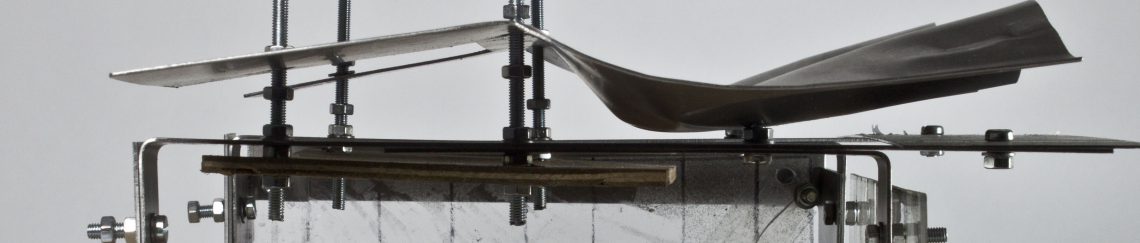
I say ‘bye bye’ to CUHK Architecture school, rigid enough to encourage methodologies for establishing methodologies, yet, sufficiently non-restrictive to let its students chose between highly conceptual and vividly tangible projects, a choice typically absent at the ‘pre-determined’ UK architecture schools. In the first M2semester students tirelessly beat cast cement with hammer, weave bamboo, mix coloured gases, create films, and make waves in aquaria, in search of the magical accident to inspire their second semester’s housing, institutional or infrastructural project.


 no.balsa