
BREEZE (From Previous Year)
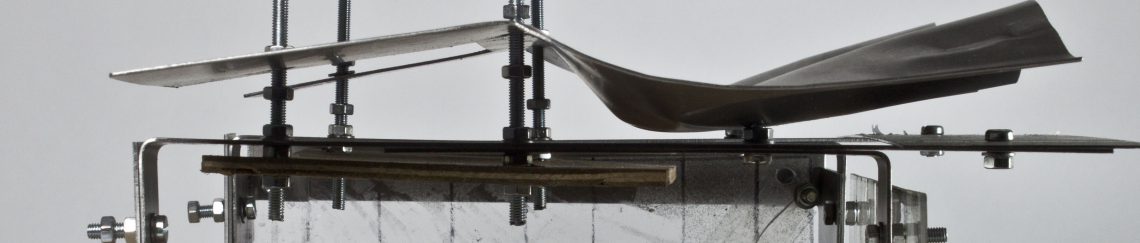
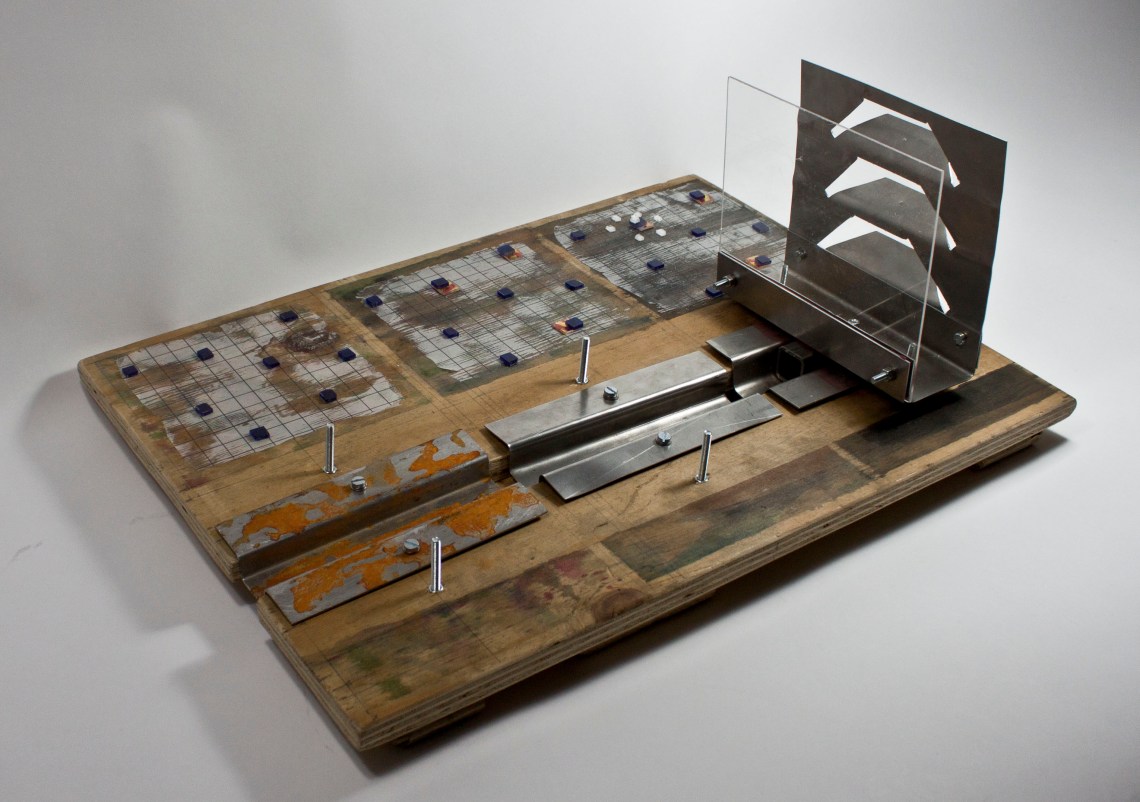
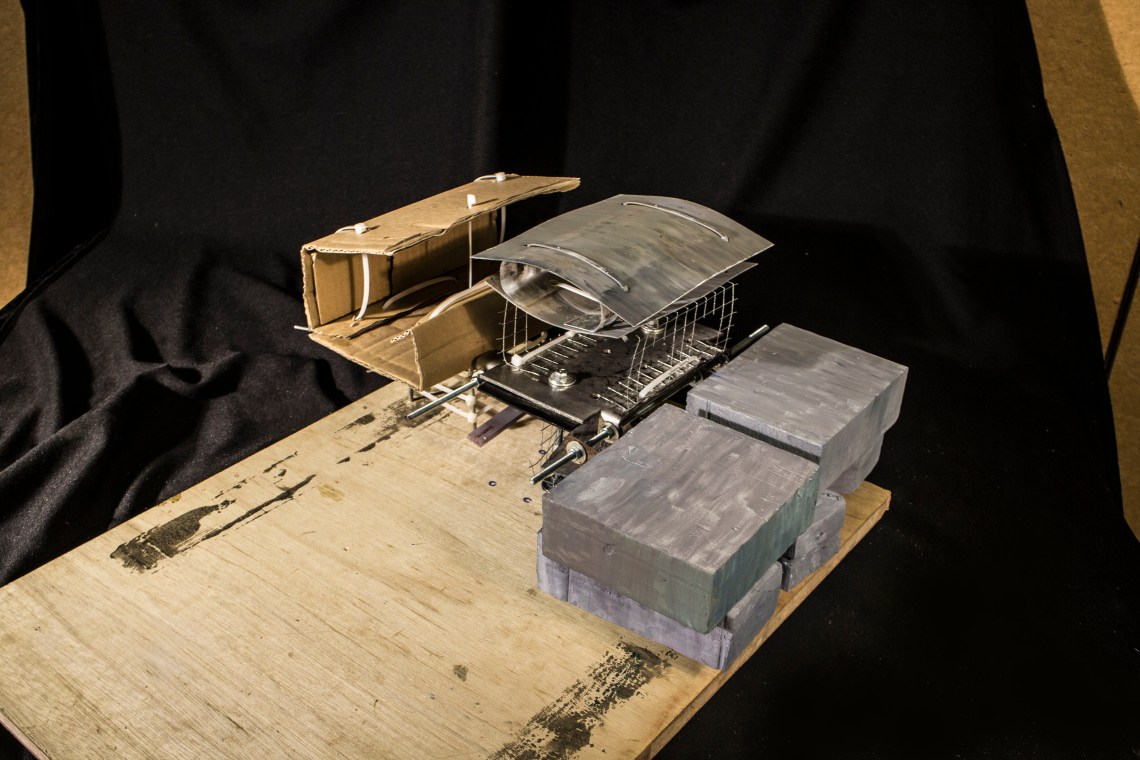
Consistent strong southwesterly wind enters the building through large scoopes. Cleaned from the dust by ne lters, the air stream traverses the speci cally designated roof layer, whilst its parts are directed into the spaces below.
Before lunch, the hotel manager ushes the dining room with a stream of fresh wind by opening the ceiling louvres.
After lunch guests and visitors ascend into a fully shaded rooftop bar traversed by the ocean breeze.

SHADE (From Previous Year)
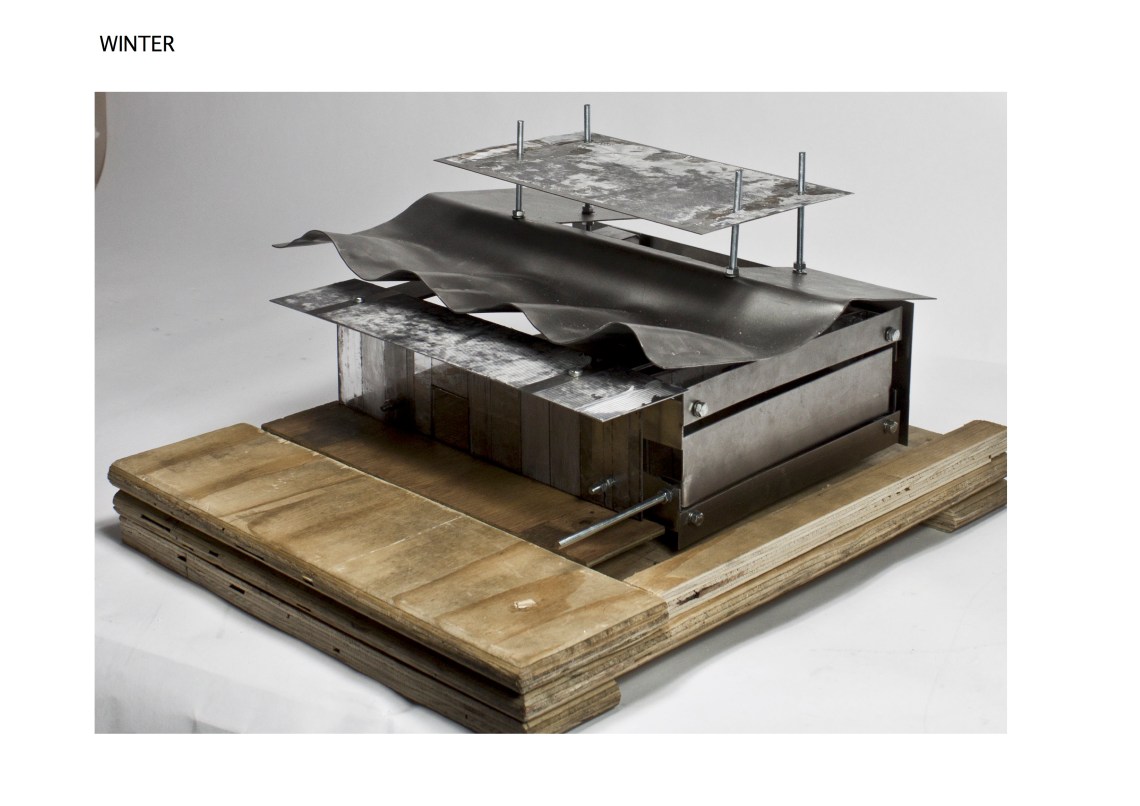
All transparent parts are always protected from direct sunlight. During the cloudy West- African winter, June and July, the building fabric opens to direct some re ected sunlight into the buildings. During the steamy summer months of December and January with the brightest yearly sun levels, the shutters are closed to minimise the uncontrolled light gains.

BUSINESS PLAN (From Previous Year)
Seeds for a potential larger project are ‘planted’ as several promising locations across the developing area. Where the conditions for a hotel become more favourable, both in terms of perceptual safety and opportunities for collaboration, larger elements of accomodation are added.
SITE CONCEPT
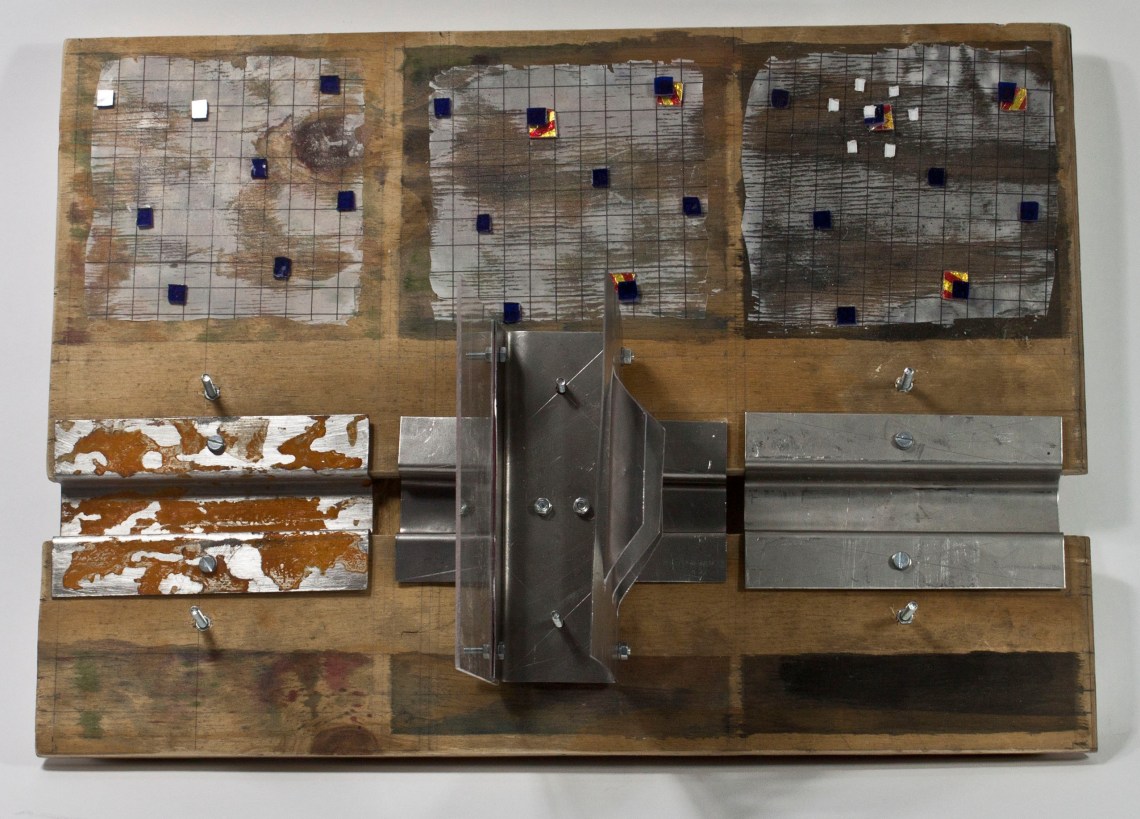
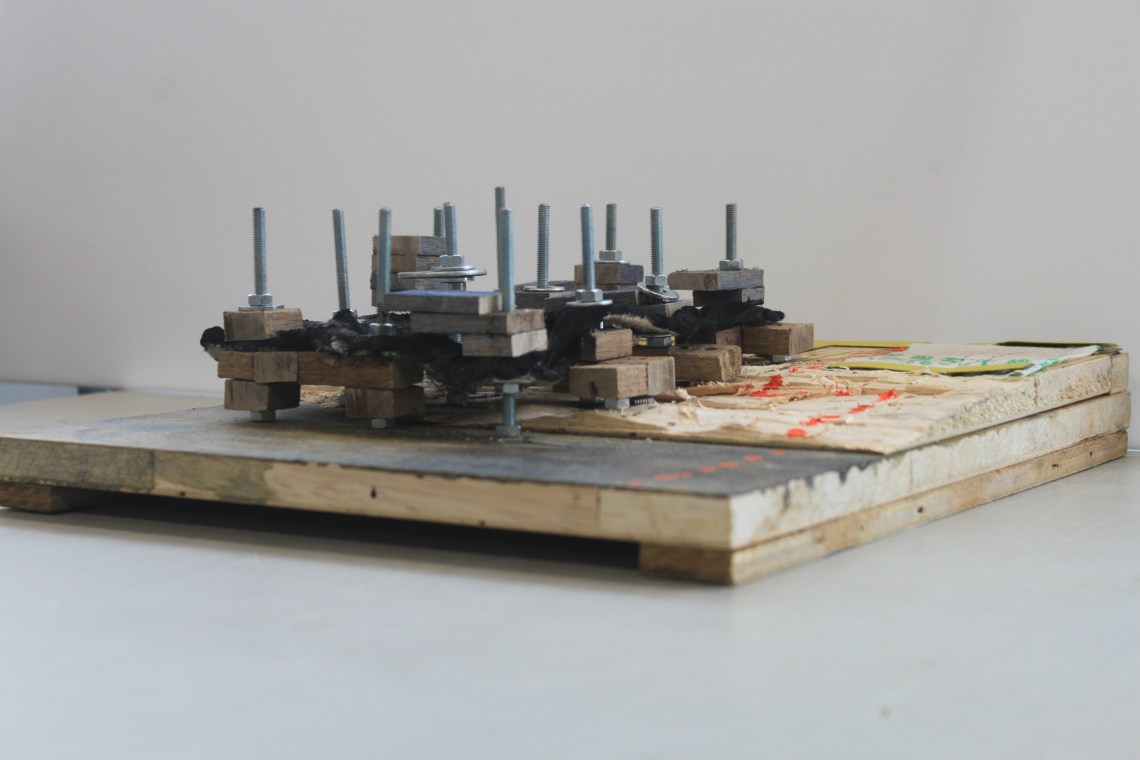
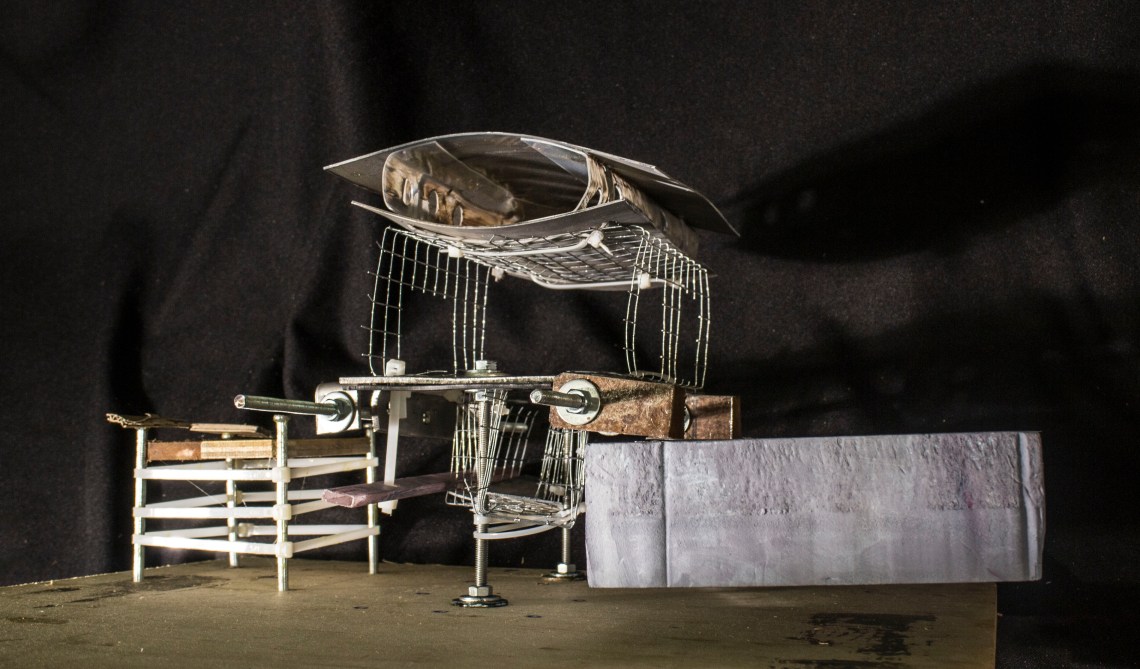
Embedding programme elements into a exible matrix to respond to the movements of the ground. Separating hotel and hospitality school programmes to be below and above the matrix plane. Adjacent is a model of a gated estate’s house showing its undesirable sealing effect on the ground.
MONGKOK
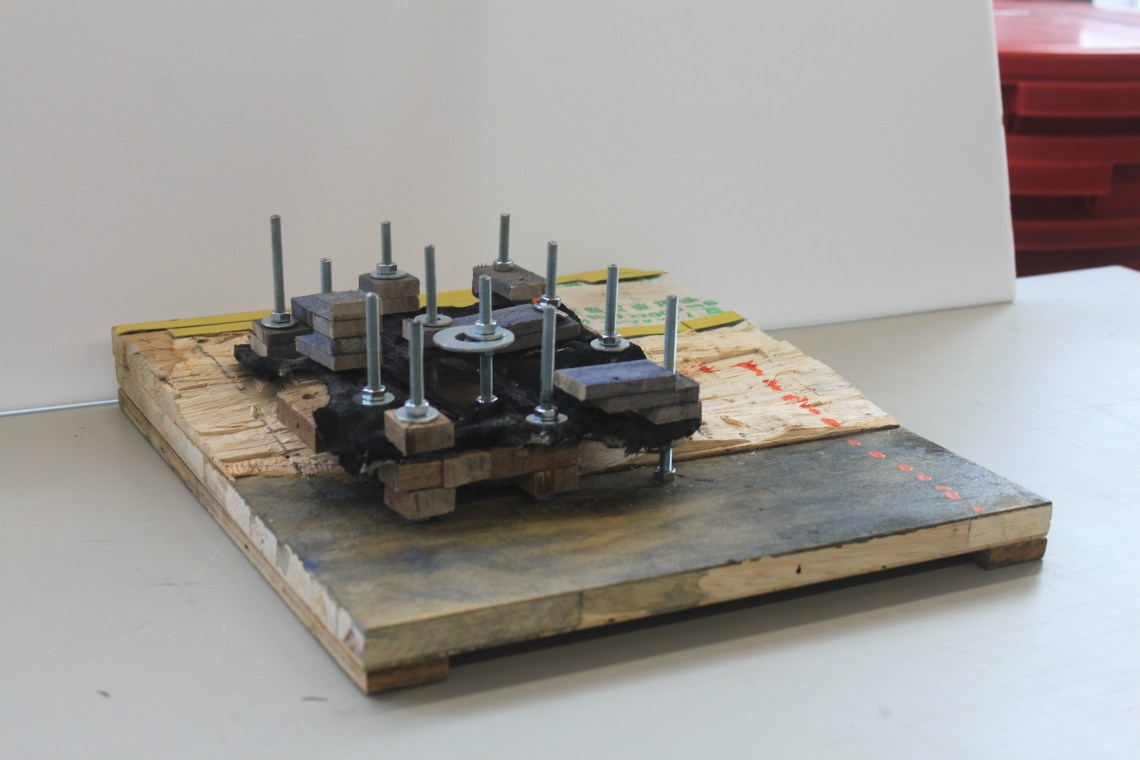
Mongkok area is exemplary for Hong Kong as a ‘city without ground’. A network of elevated walkways fosters pedestrian movement and interaction whilst responding to city’s lack of public space at ground and aggressive road environment.
AJAH MODEL
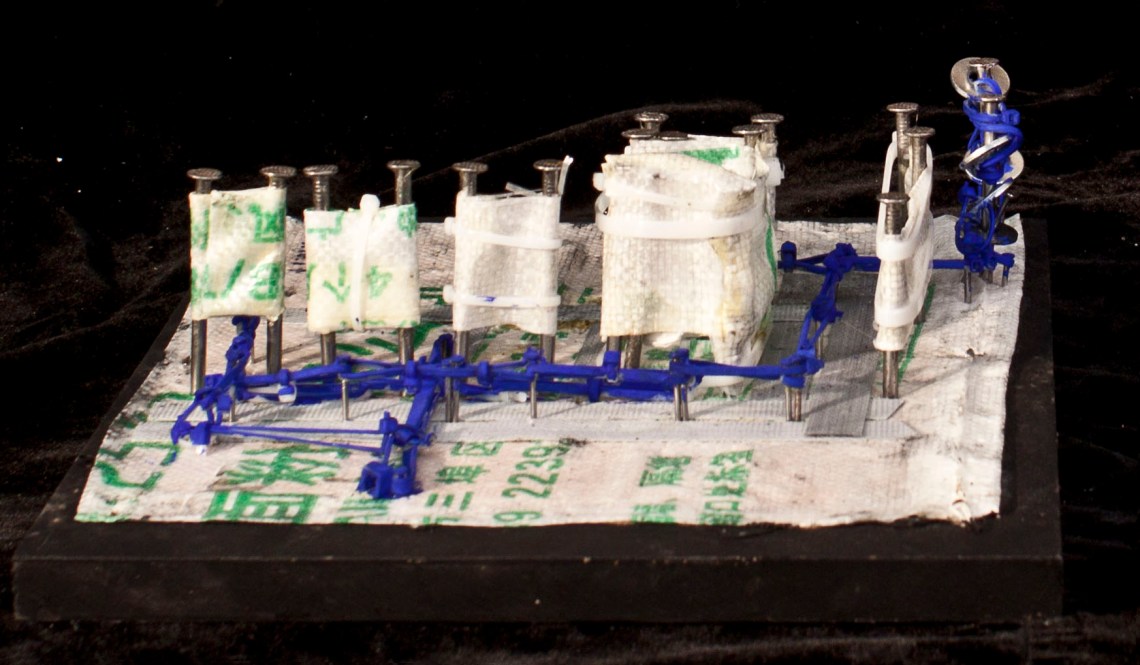
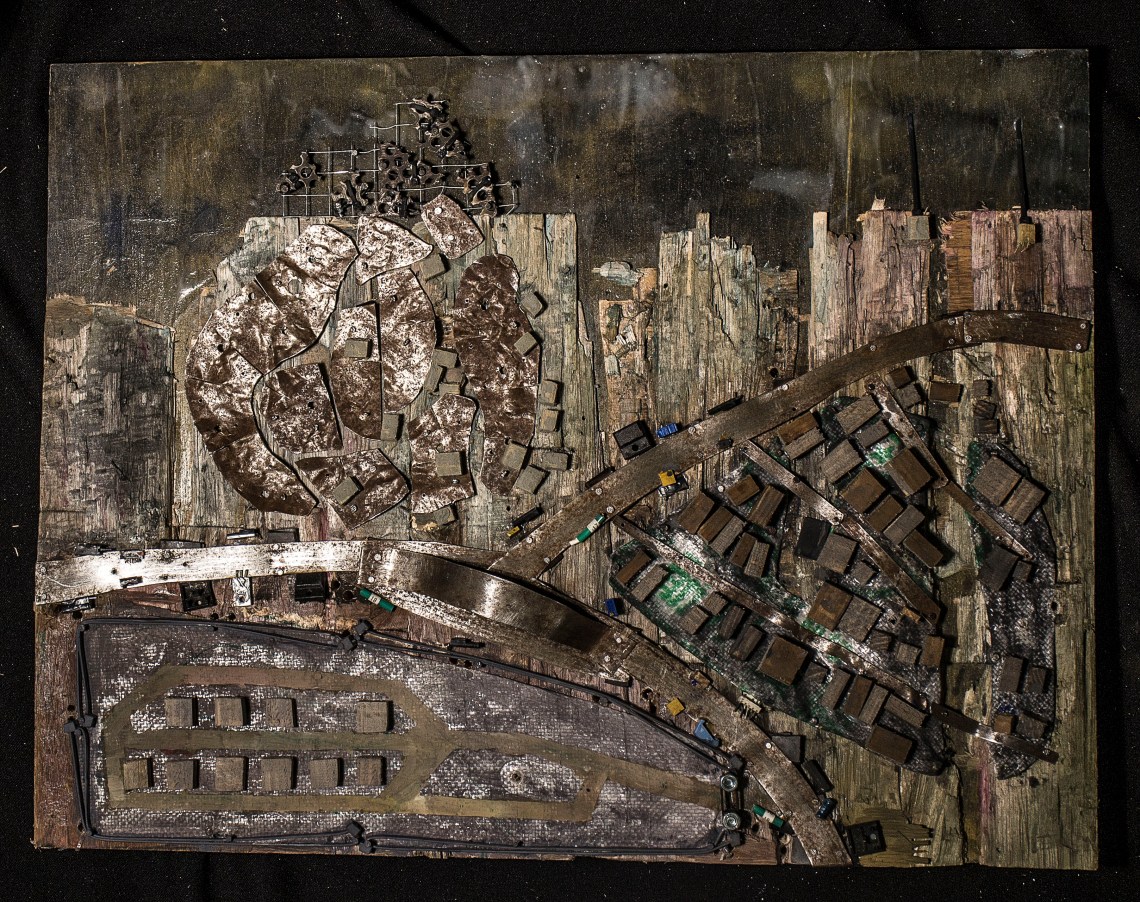
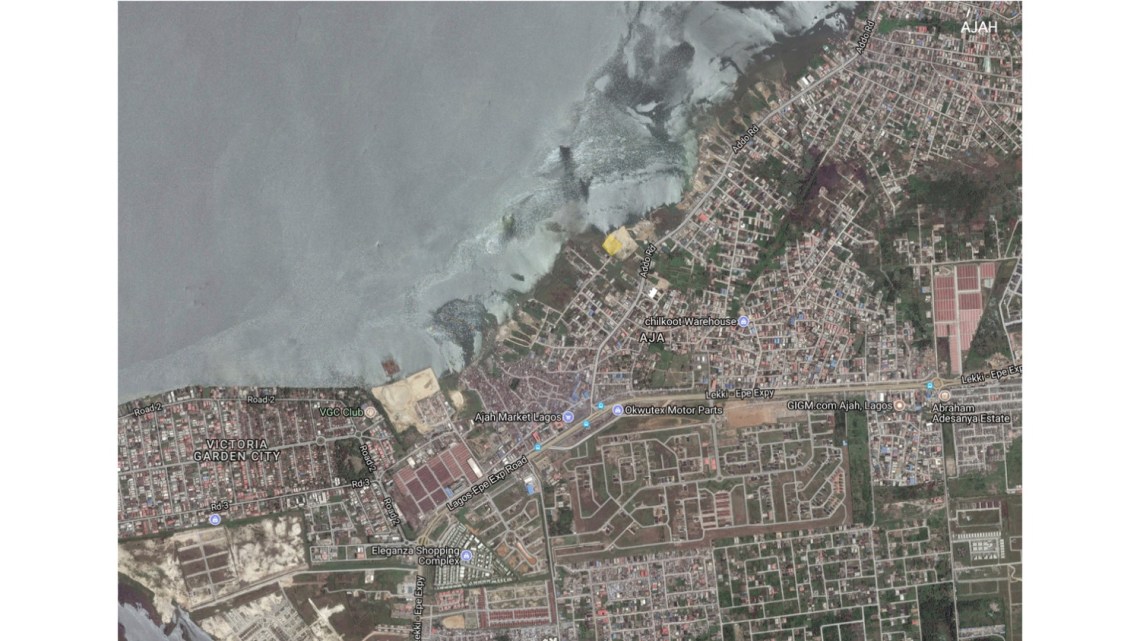
Lekki-Expressway and Addo Road divide the area into existing zones for residents of gated estates, public residential areas and of the excised indigenous land. The fishing village along the lagoon front is also part of the indigenous community.
NO GROUND
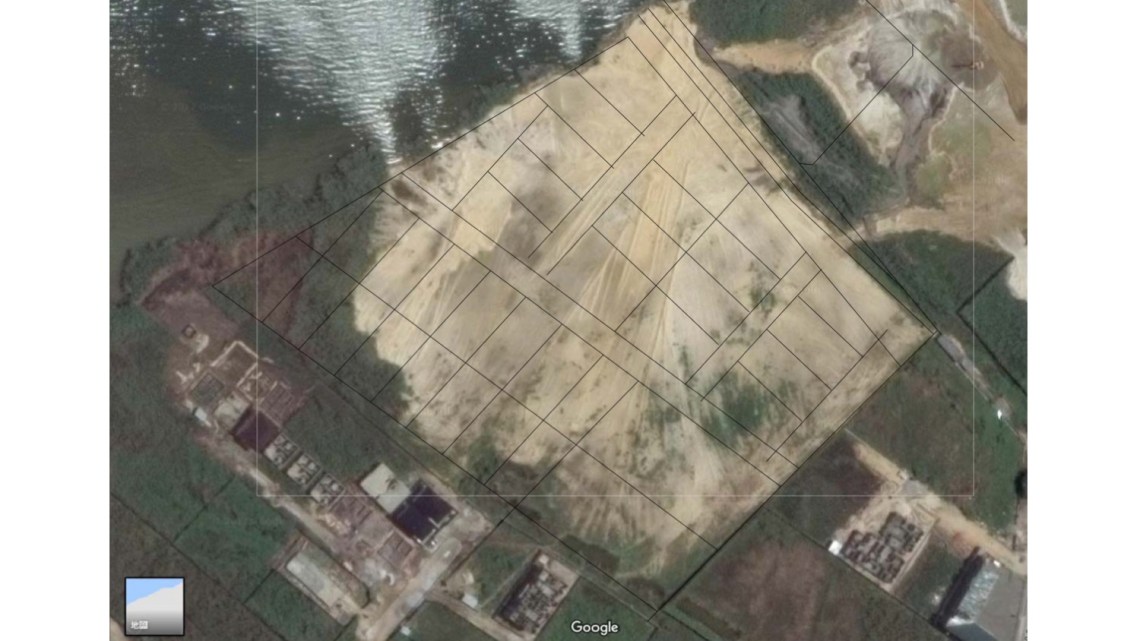
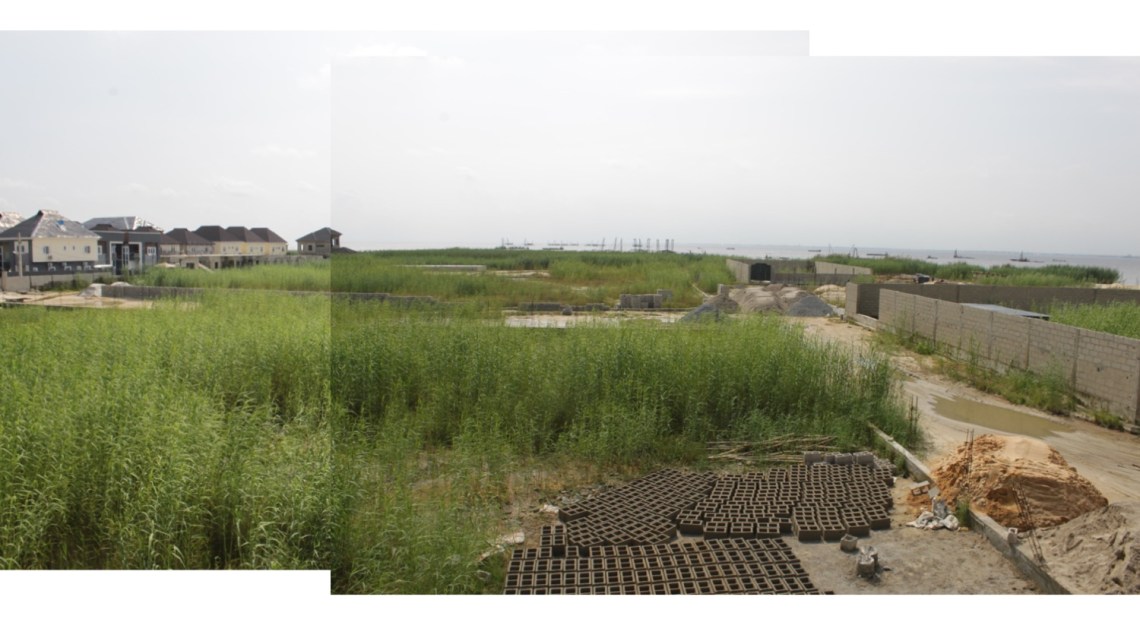
There is no primary solid ground in Lekki suitable for construction.
‘No one would have planned to build an enormous city on the basis of such an unusual configuration of lagoon and island’ Whiteman, K., Building Lagos

TIME
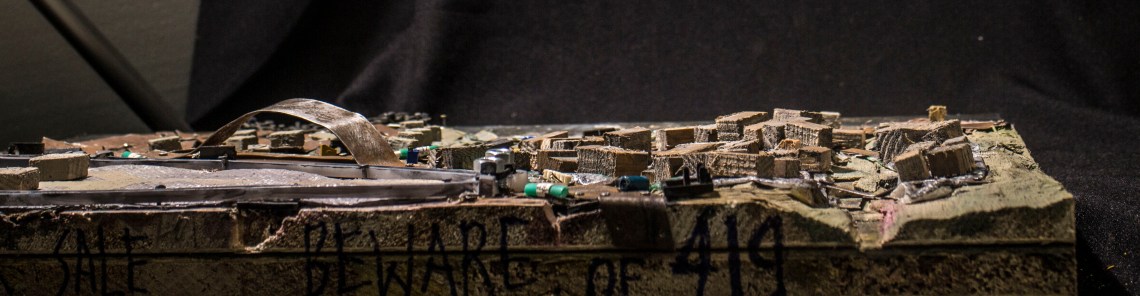
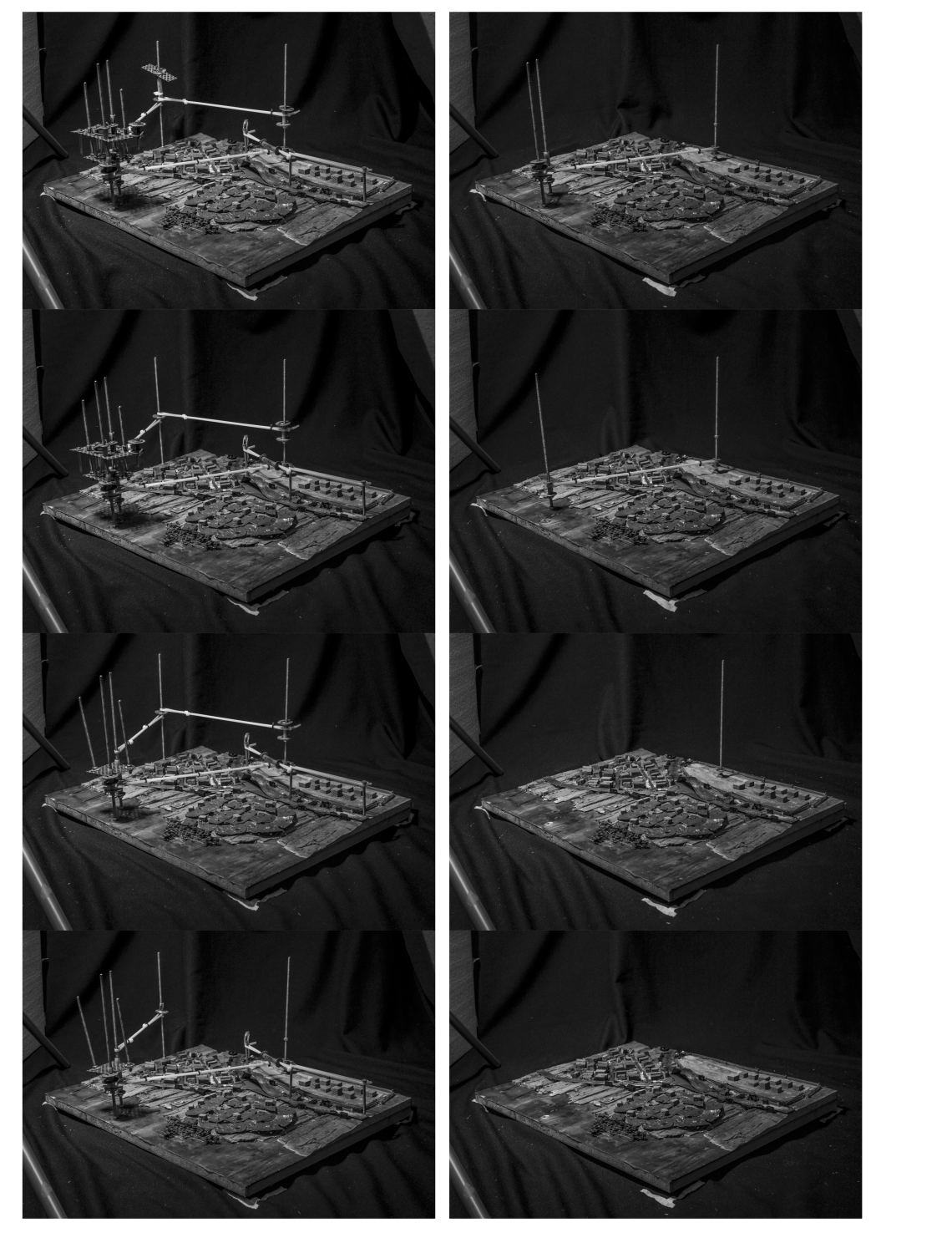
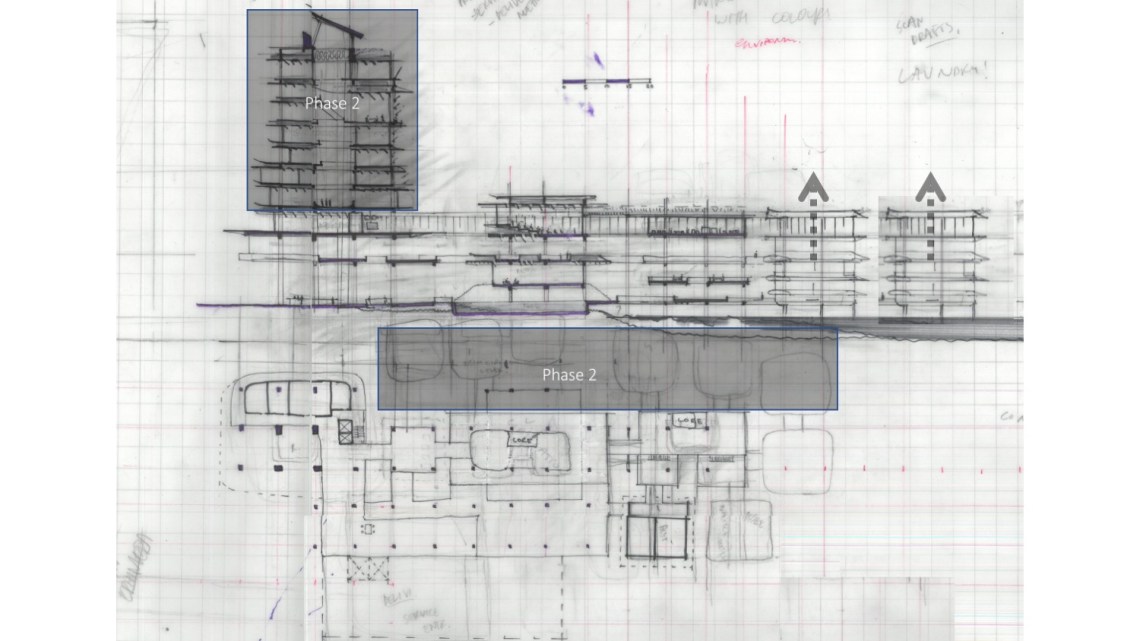
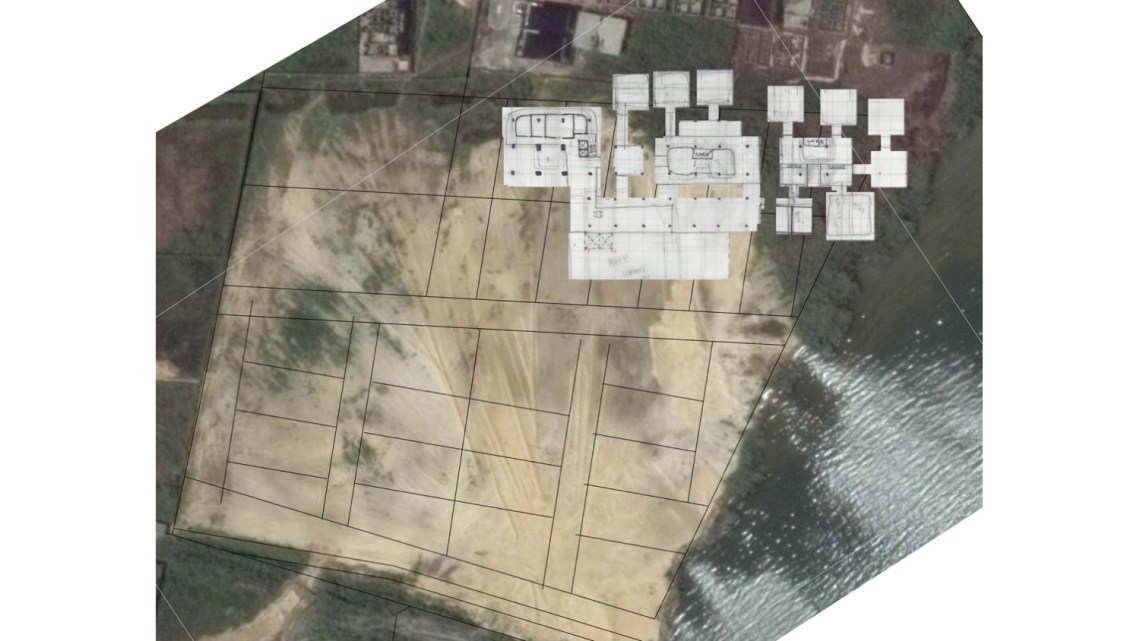
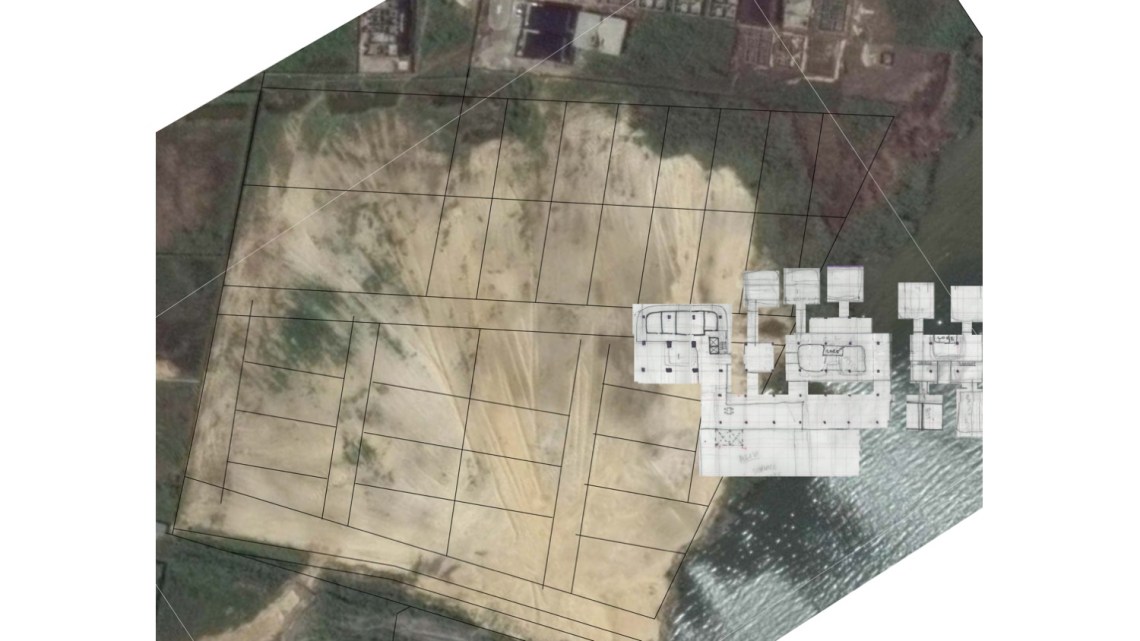
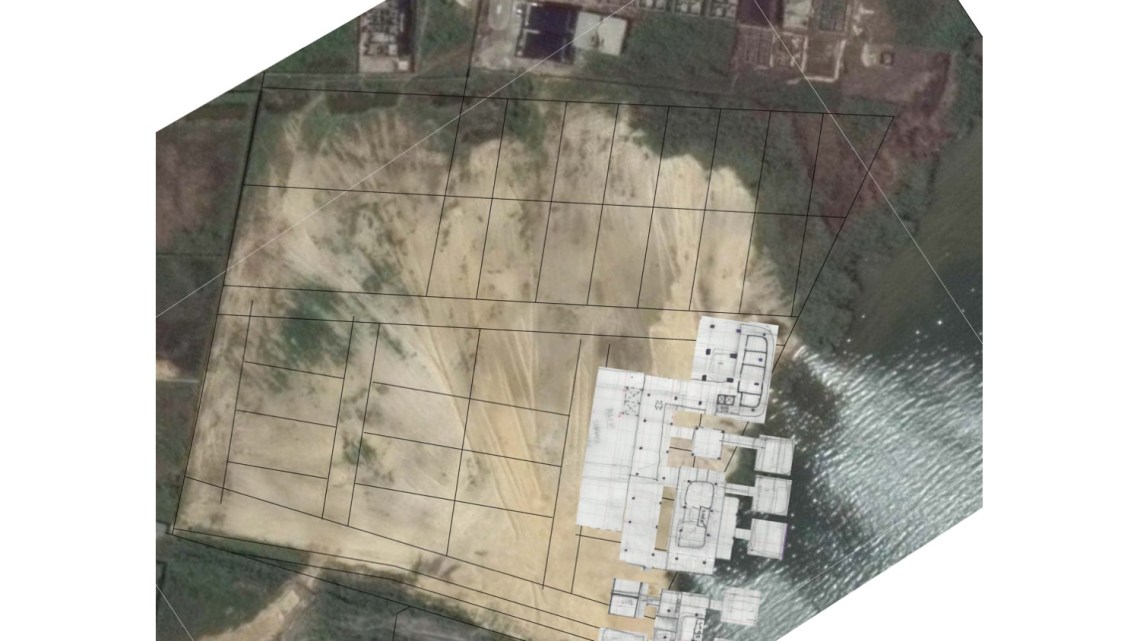
Small meeting space is initiated in a perceptually safe and confortable domain of a gated estate. This is subsequently connected to a larger conference facility somewhere along the blurred boundary of the Lagoon coast, which at a later phase grows and merges with a business centre alongside the current residential area, coinciding with the opening of Ajah Metro Station. Hotel’s metabolism organically expands and adapts to its surroundings.
SPINE
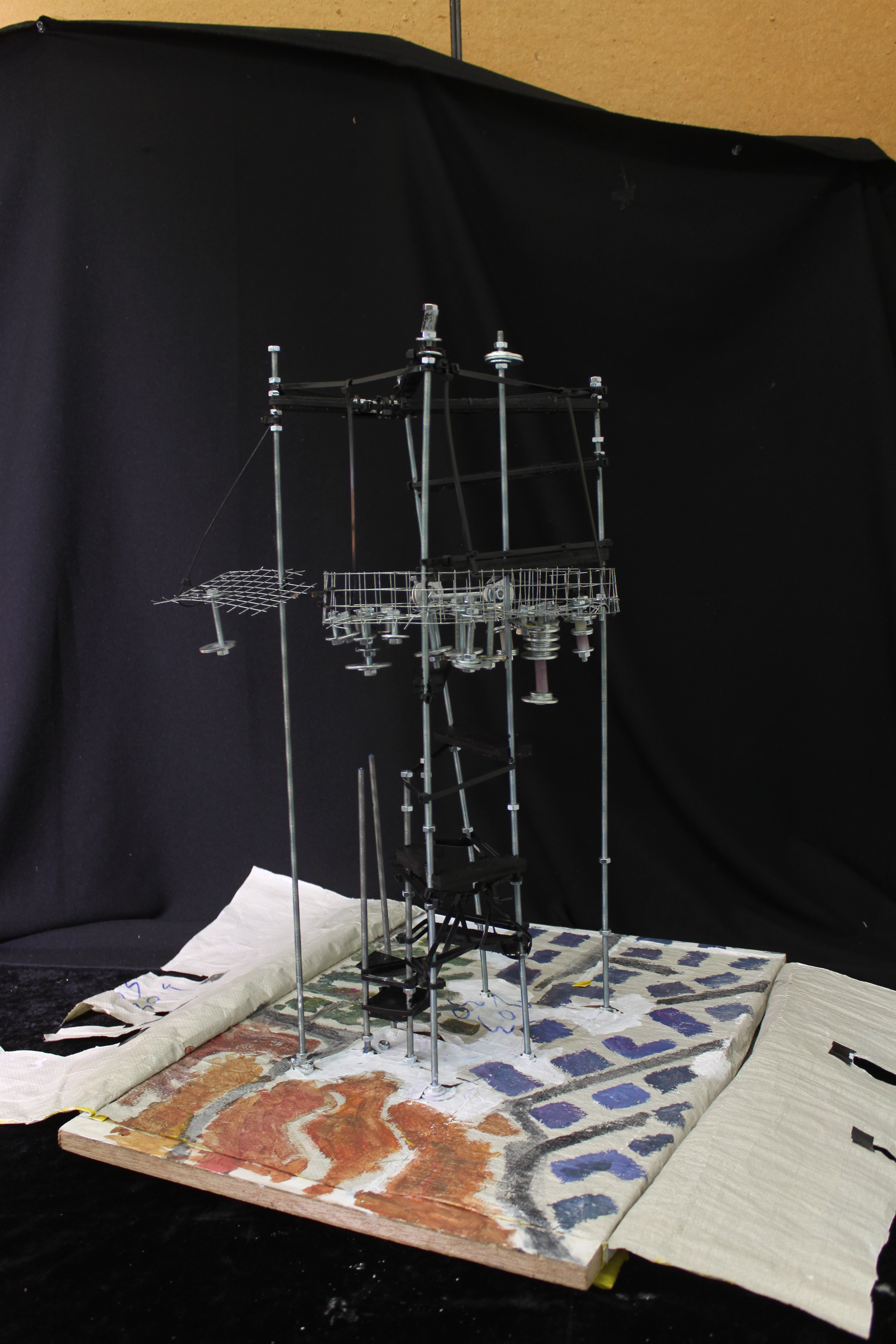
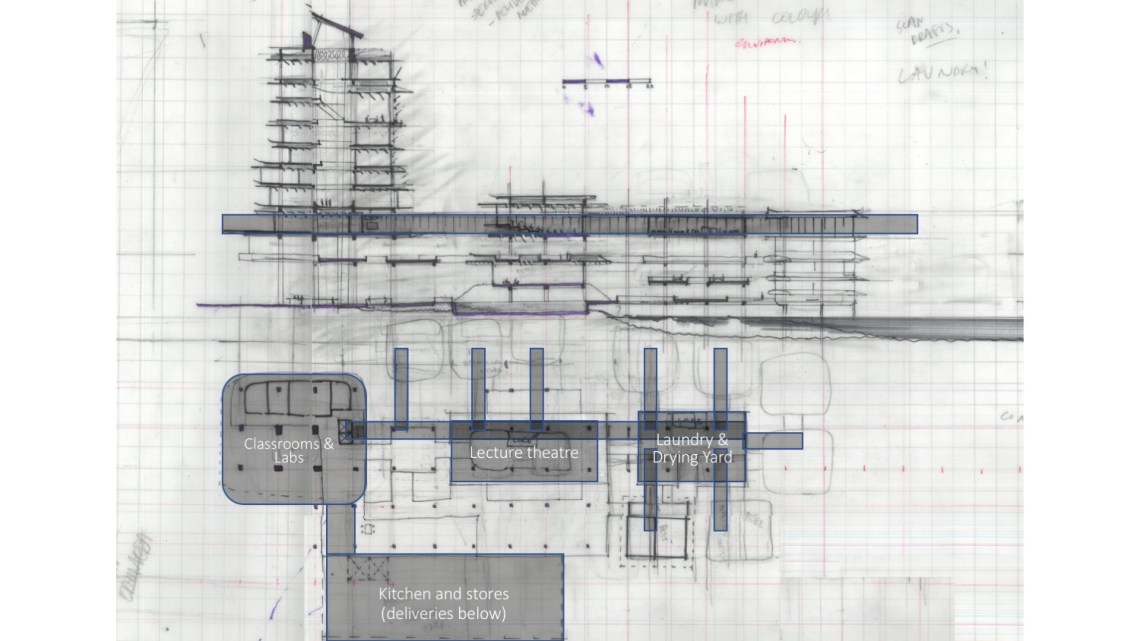
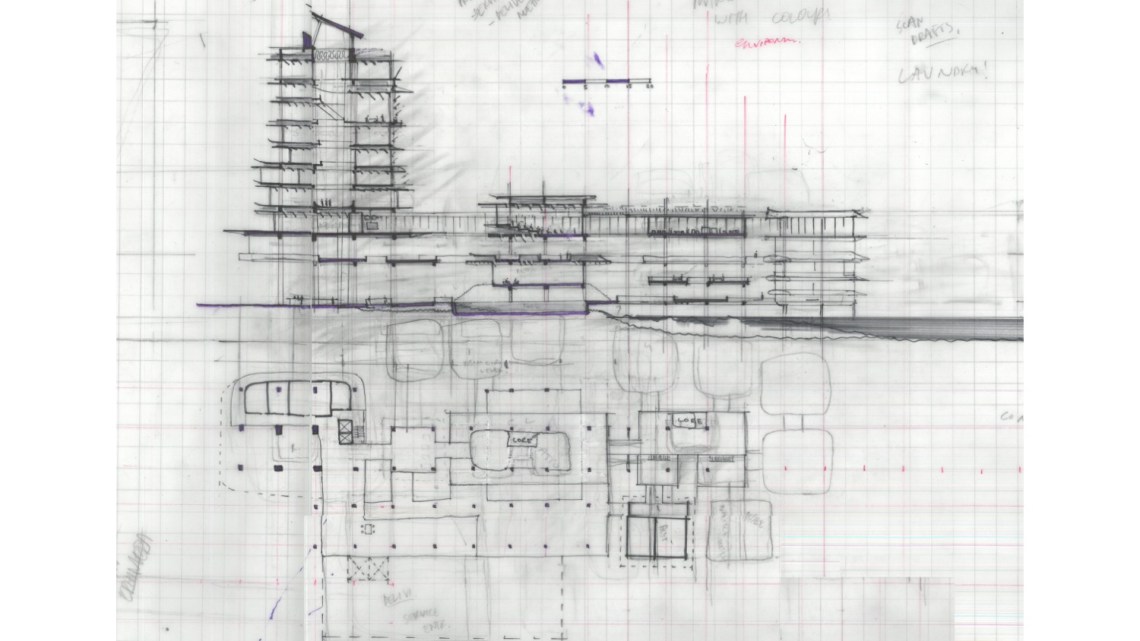
Spine is the circulation and services vessel for the expanding hotel. The main oor, raised above the marsh constitutes the guest circulation. Infrastructure plugged onto the side of the spine includes ervice staff corridors and means of delivering waste, electricity, water and other services for the hotel spaces (and possibly some of the surroundings).
Local entrepreneurs are given an opportunity to plug their own hotels into the sides of the spine, whilst the participants of local economies may run various forms of trade alongside the spine’s public zones, by raising their structures to an appropriate level.

METABOLISM
As a biological organism, the project grows and adapts to the fast-changing ecosystem of Lekki. At a given point in time, it’s pre- determined DNA translates into a spatial con guration de ned by the local social and entrepreneurial ‘push’ and ‘pull’ factors.

DENSITY
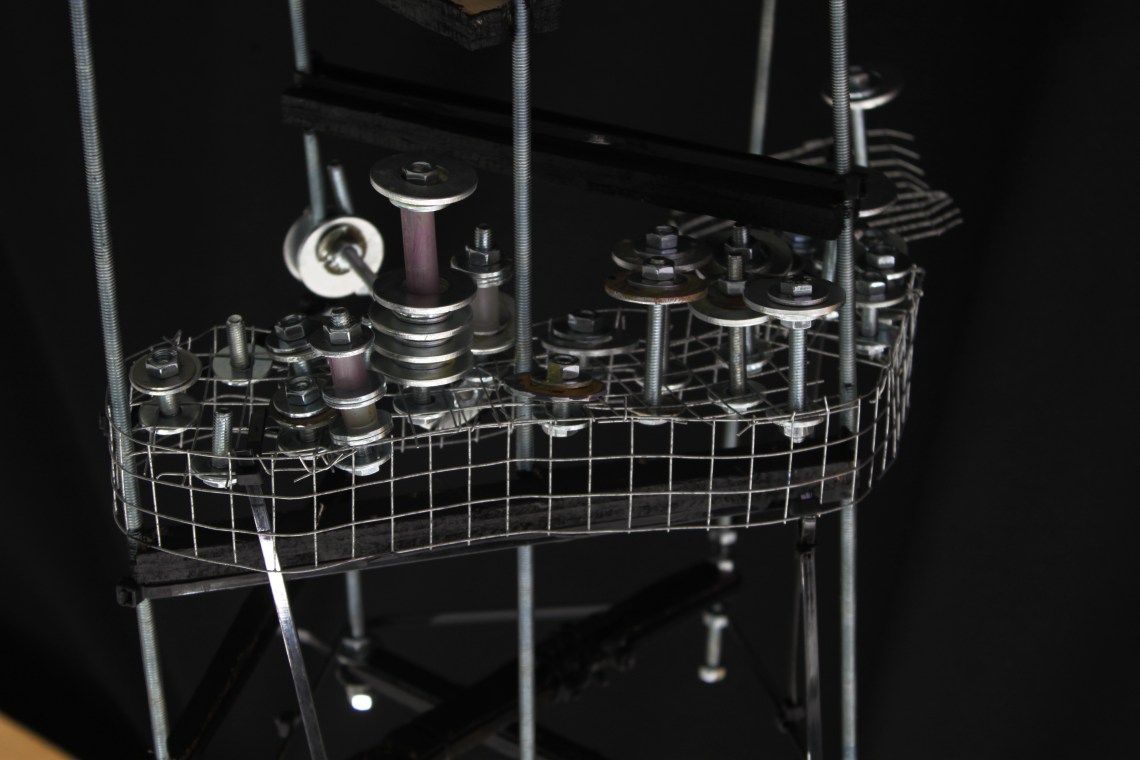
Being one of the most rapidly urbanising regions in the continent’s fastest growing nation, the urban landscape of Lekki is expected to continue densifying and self- repurposing over the phases of the design project. A recent precedent was set by Lekki Phase 1 where Nigerian Family houses have turned into offices.
MARSH AND AIR
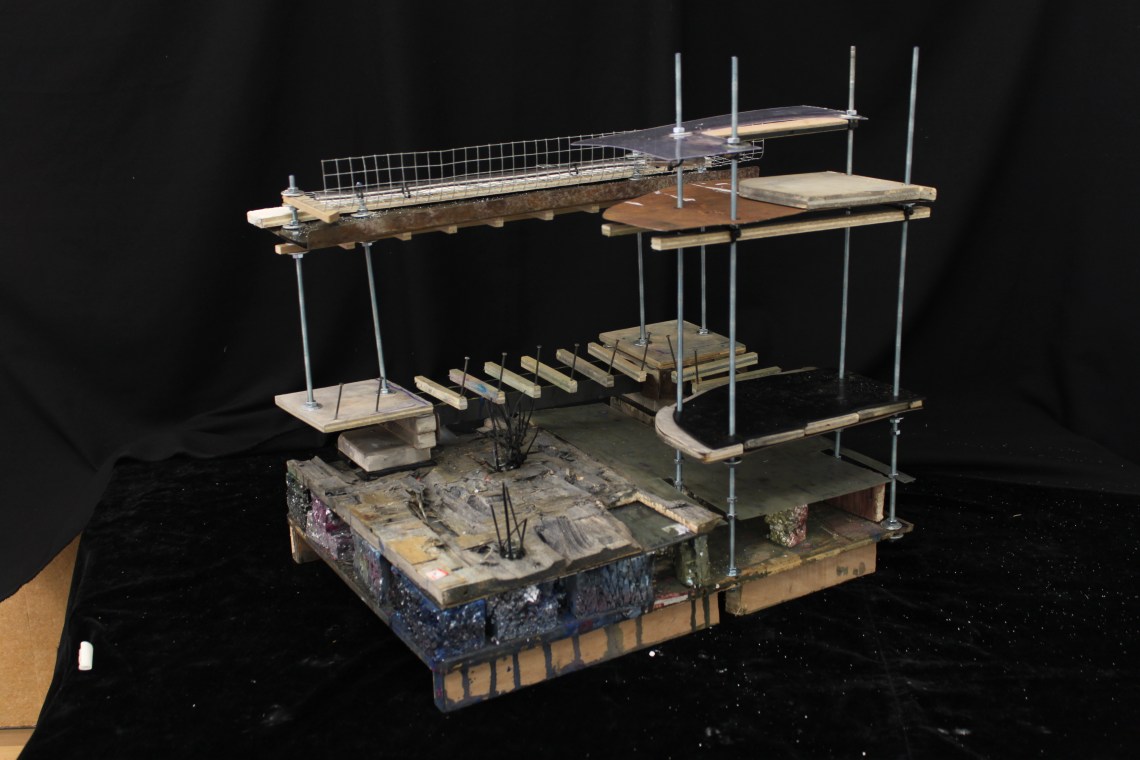
The rst strategy is of lightweight structure and suspended spaces: the intervention distances itself from the unpredictable marsh.
The second strategy is where a heavier structure rises by a minimal amount only to achieve the necessary ood protection and separation from the lagoon’s wildlife.
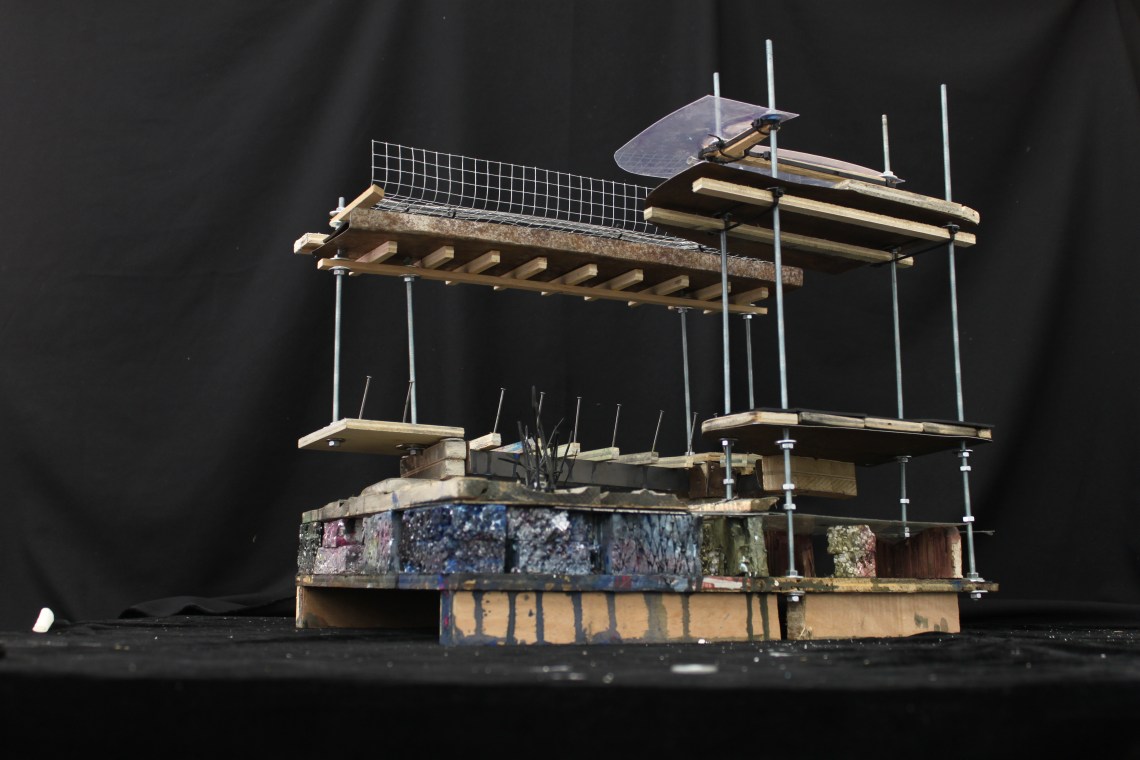
DECONSTRUCTABILITY
Some elements of the metabolism are not permanent. Whilst the overall structure migrates across the landscape, some of its cells are moved to a new location. Lightness and demountability are key to this process.
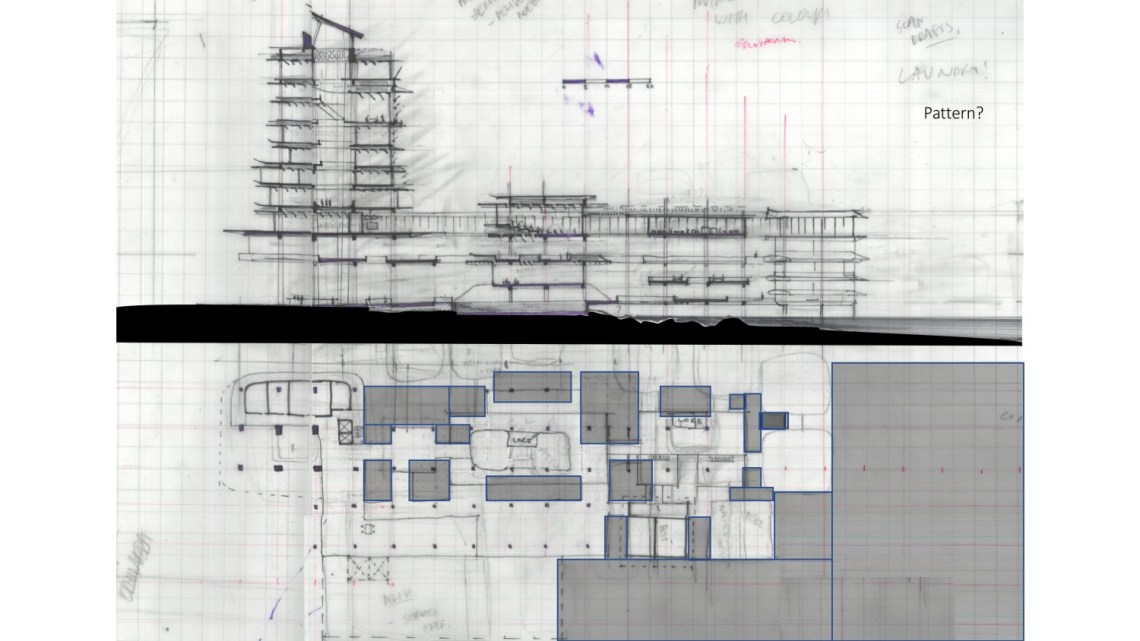
SECTION



 no.balsa