

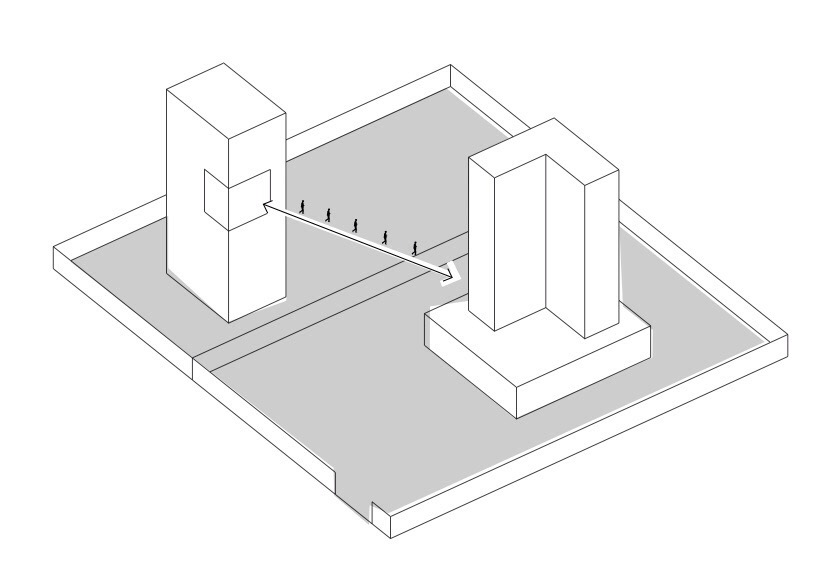
Due to factors outside of its control, Nigeria’s hospitality education system is catching up with the rest of the world. In Hong Kong it is very much ahead of the game. On Wednesday I went to meet the dean of CUHK hospitality school, where they conduct research on a variety of issues to be changed in the industry. The school is also a useful precedent because the adjacent Hyatt was built on university’s land in exchange for the training of CUHK students and will go into the school’s ownership (from the developer) after 40 years.
Mr Wang shared some of the industry’s paradigms and the school’s reactions to these.
– the hotel star gradation is becoming obsolete. People are now after particular needs that should be defining the hotels. For example, the business people are usually after a swimming pool, a gym, meeting spaces and a good office area with internet. Unlike Asia, one can only expect such facilities in five-star hotels today.
– Most hotel jobs are boring. CUHK research goes towards diversifying the hospitality work whilst giving the mandate tasks to robots. Numerous hotels especially in Japan begin to operate with this principle.
In our conversation Mr Wang drew a parallel between today’s African hotels and those in China in the 1980s. Secluded environment, patchy training standard and class gradation made them successful (due to lack of competition) at the time, however later such typologies became obsolete and were replaced by the new generation, built from scratch to the world standards . My design project should focus for the upcoming future needs of the business travelers to Africa and aim to facilitate the jump between the industry’s state on the Black Continent and in the rest of the world.

 no.balsa