
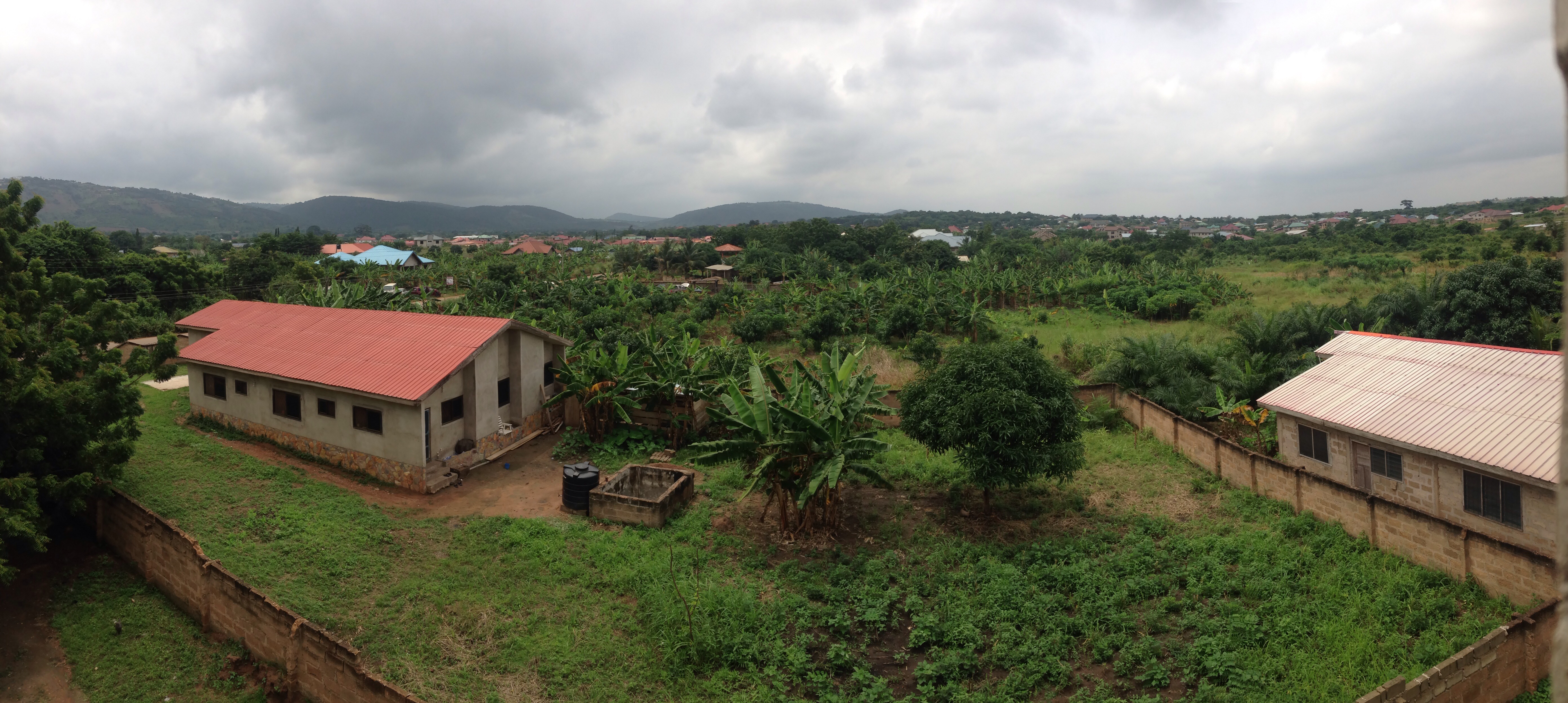
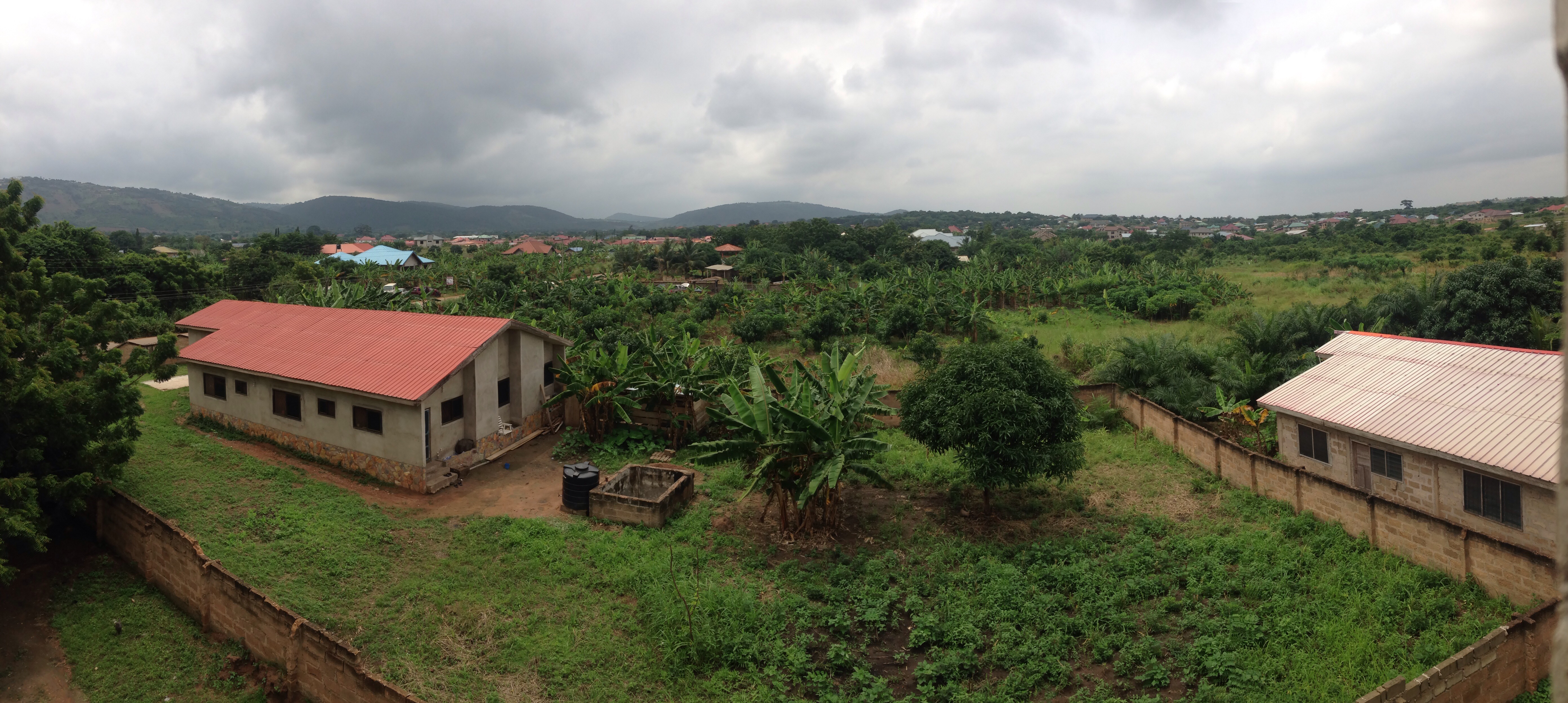
Today I joined the Raincoat surveying team to see the new developments happening in the North West of Accra region.
Route:
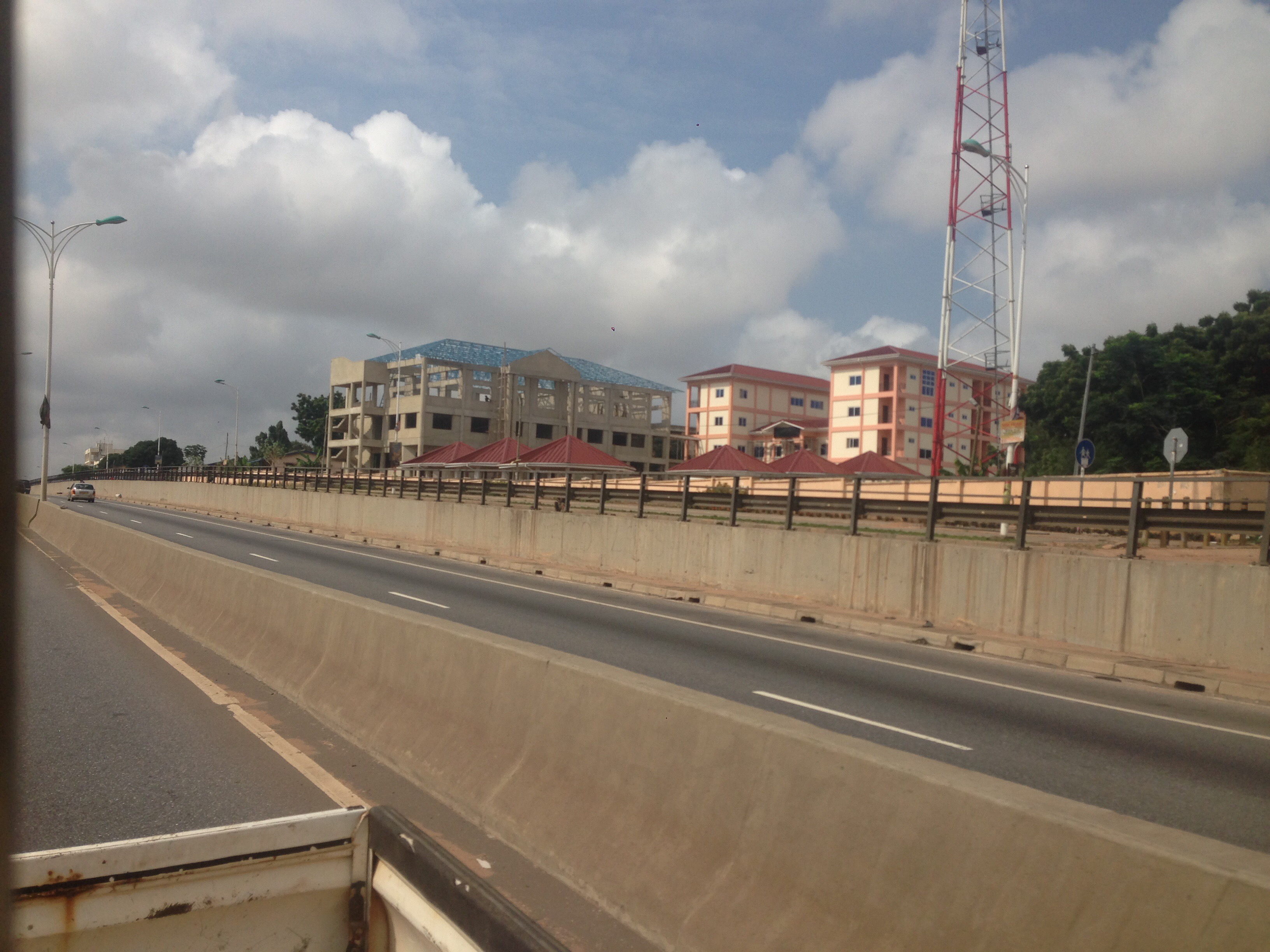
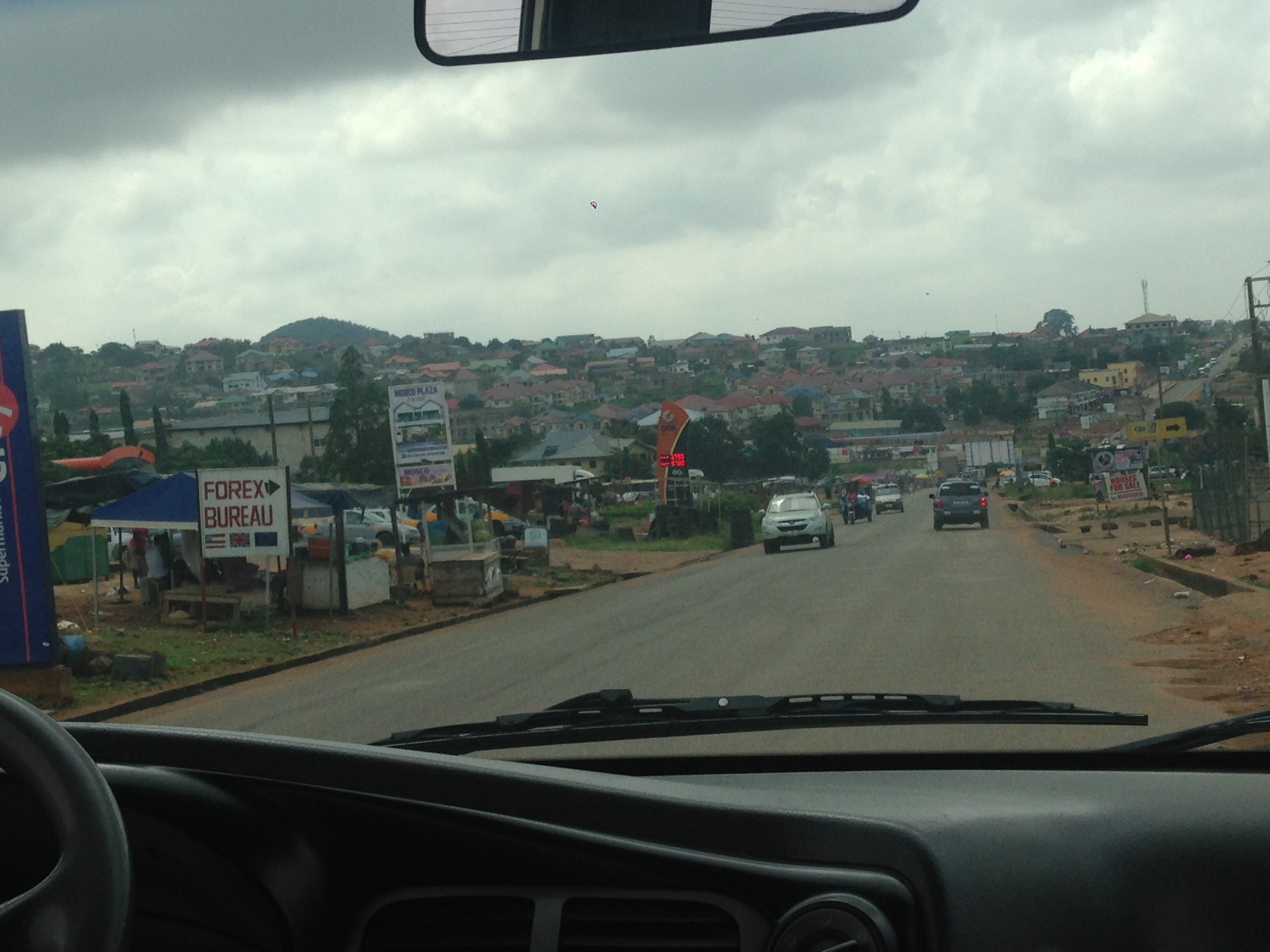
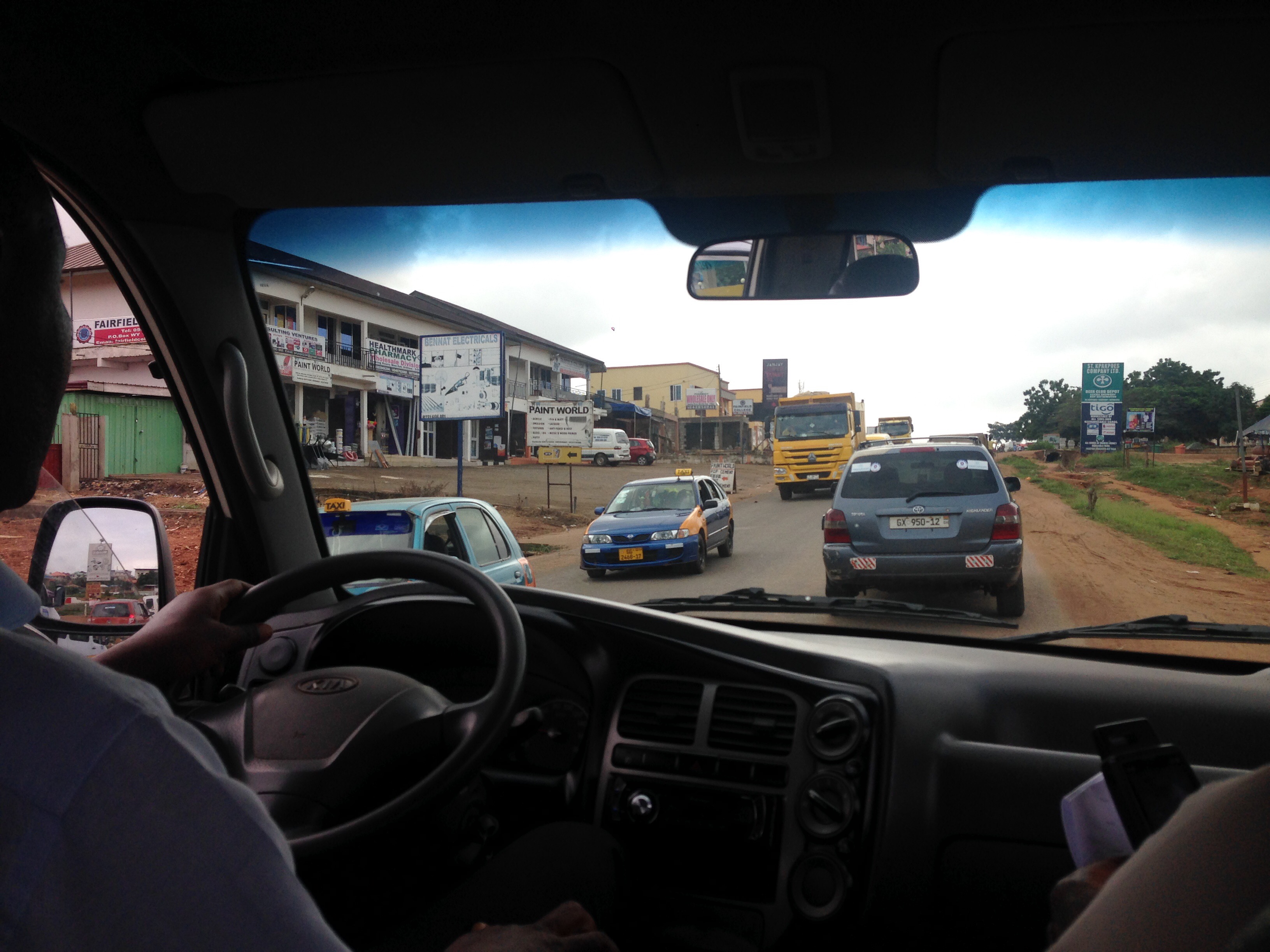
Below: one of the motorways leading towards Ghana Eastern region

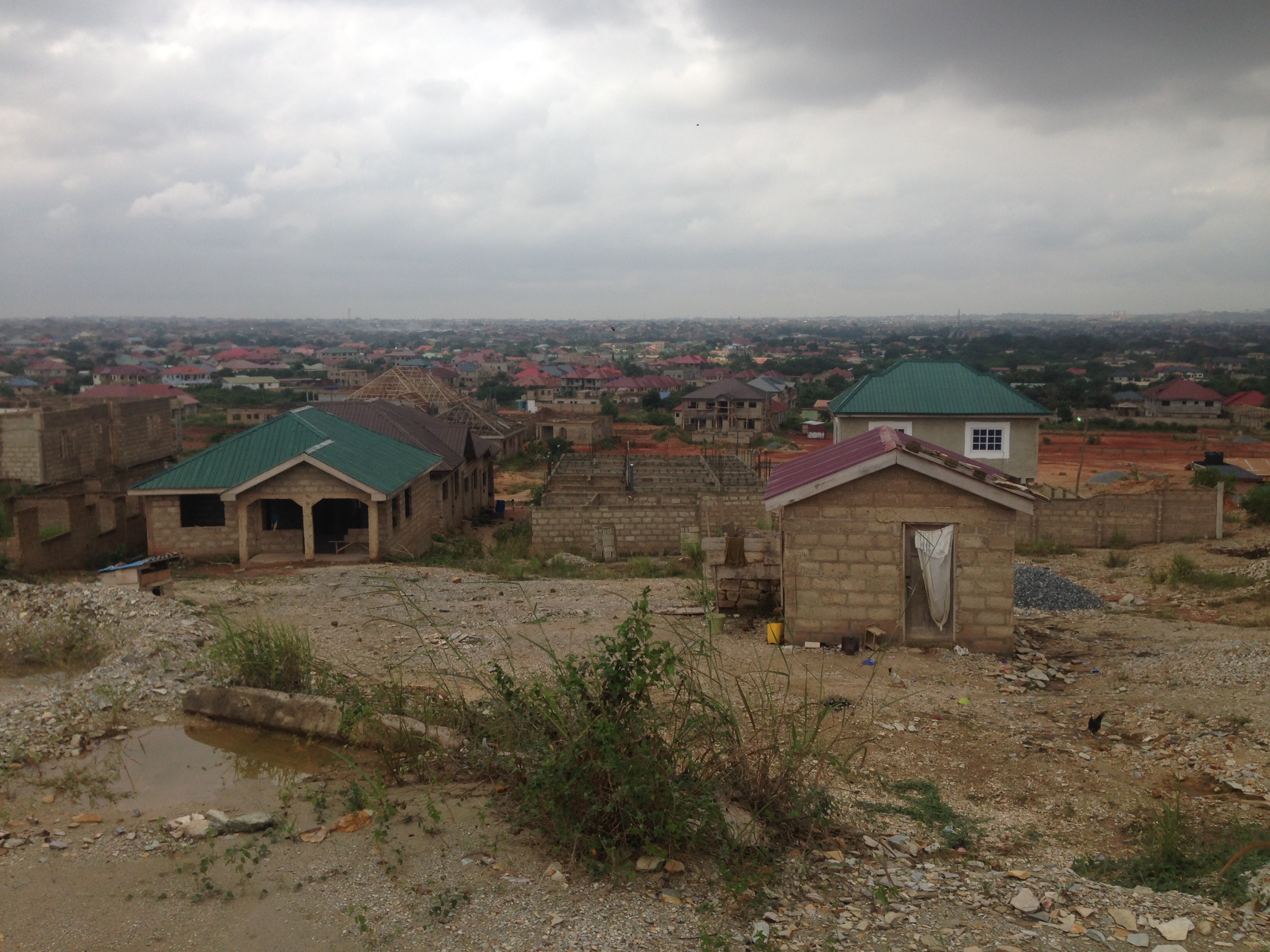
TOPOGRAPHY
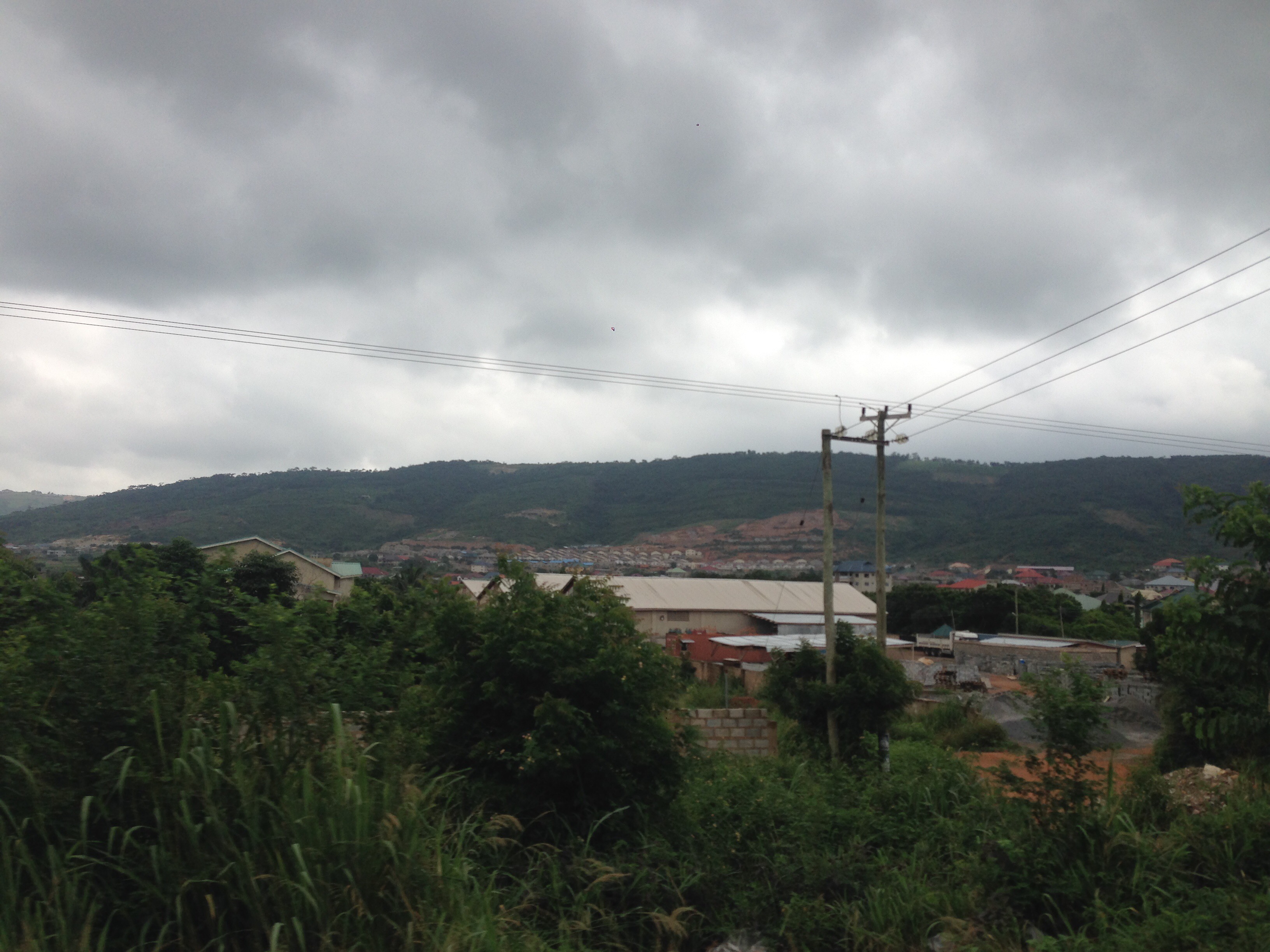
Context: hilly landscape at the north border of the Greater Accra region.
A number of estates and individual houses are being built on the slopes
ROADS
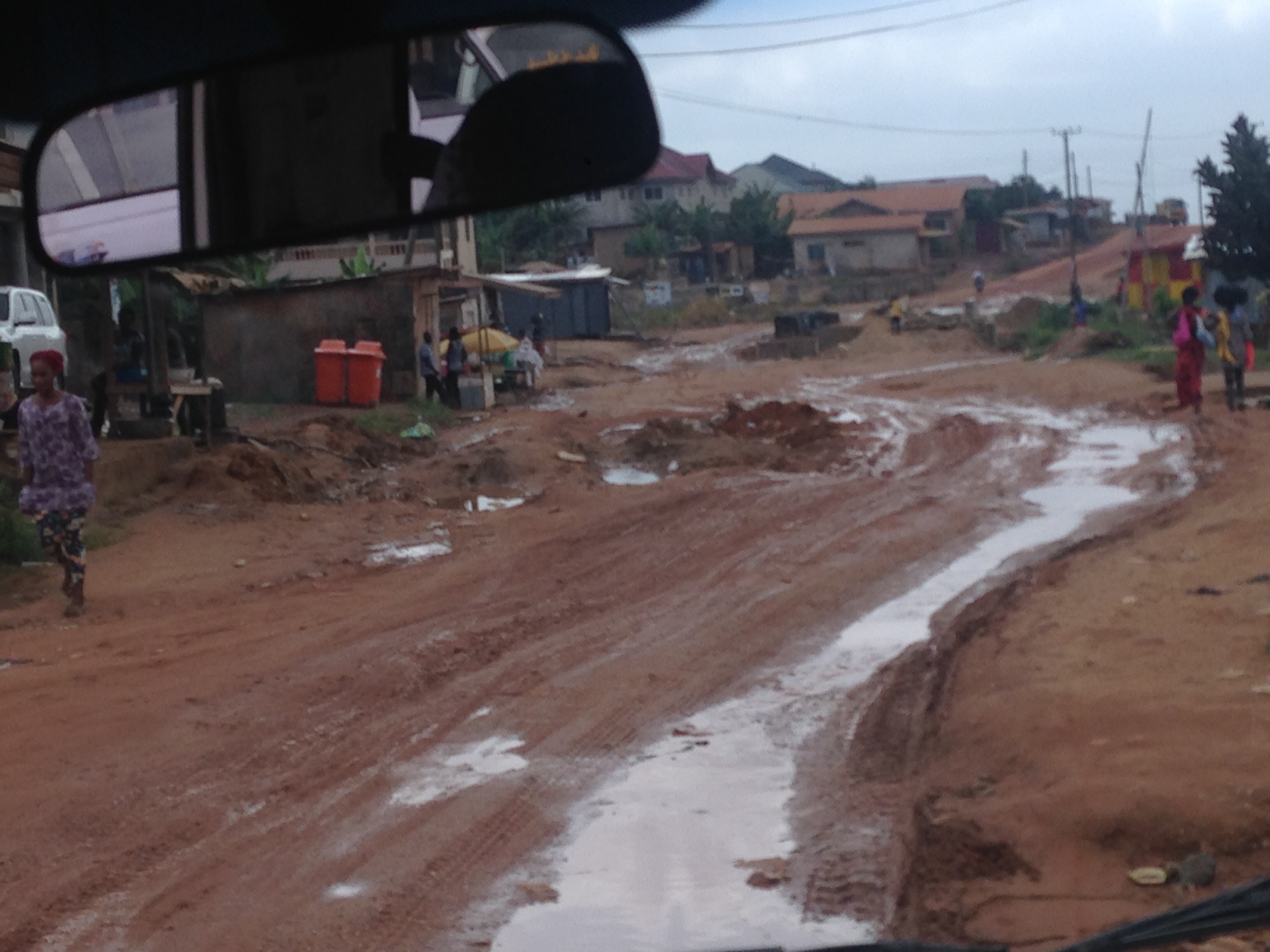
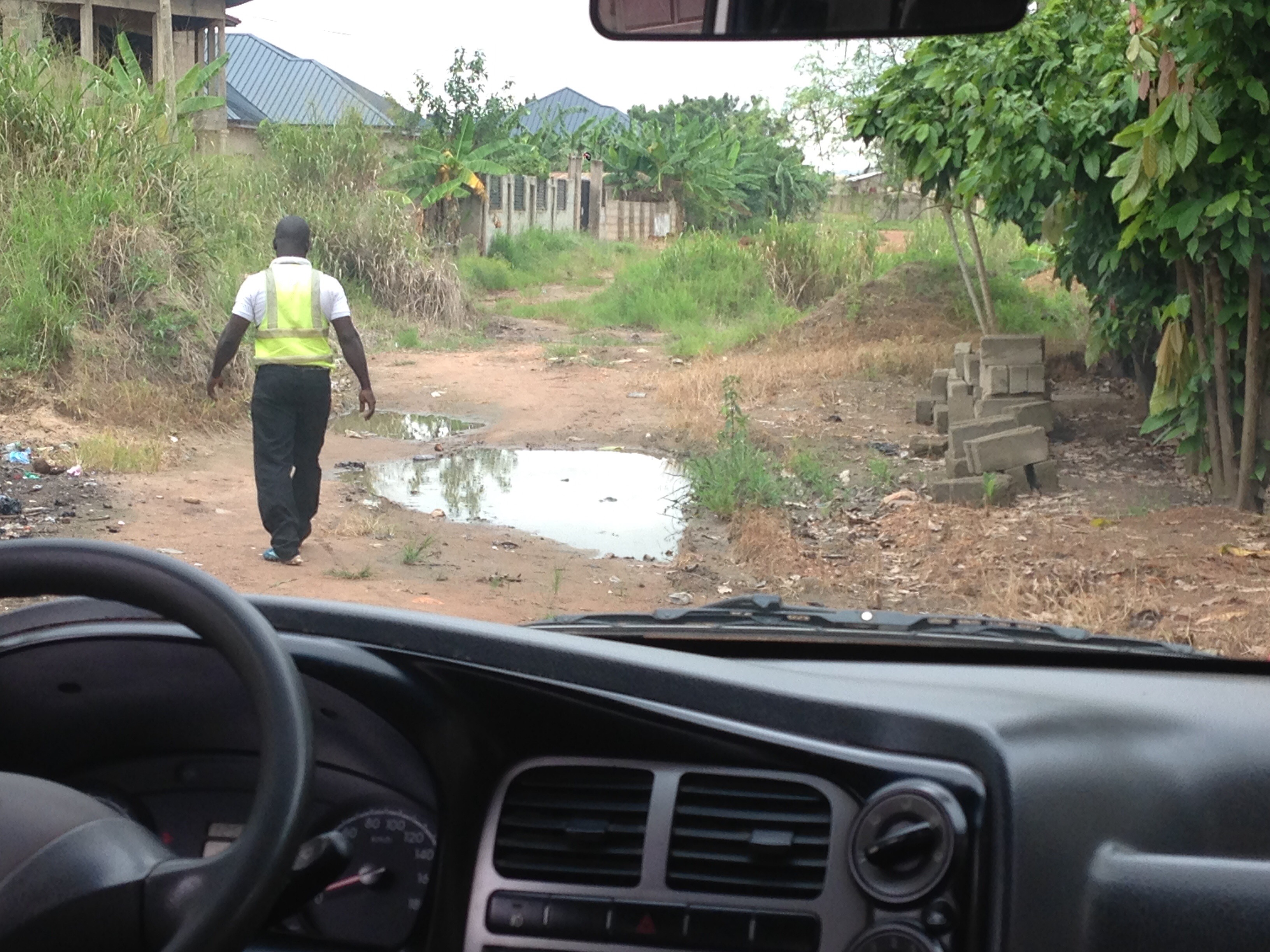
Accra’s soil is tougher than that of Lagos and roads can afford to be simply covered with gravel whilst remaining useable throughout most of the year. However after the rain certain parts become inaccessible.
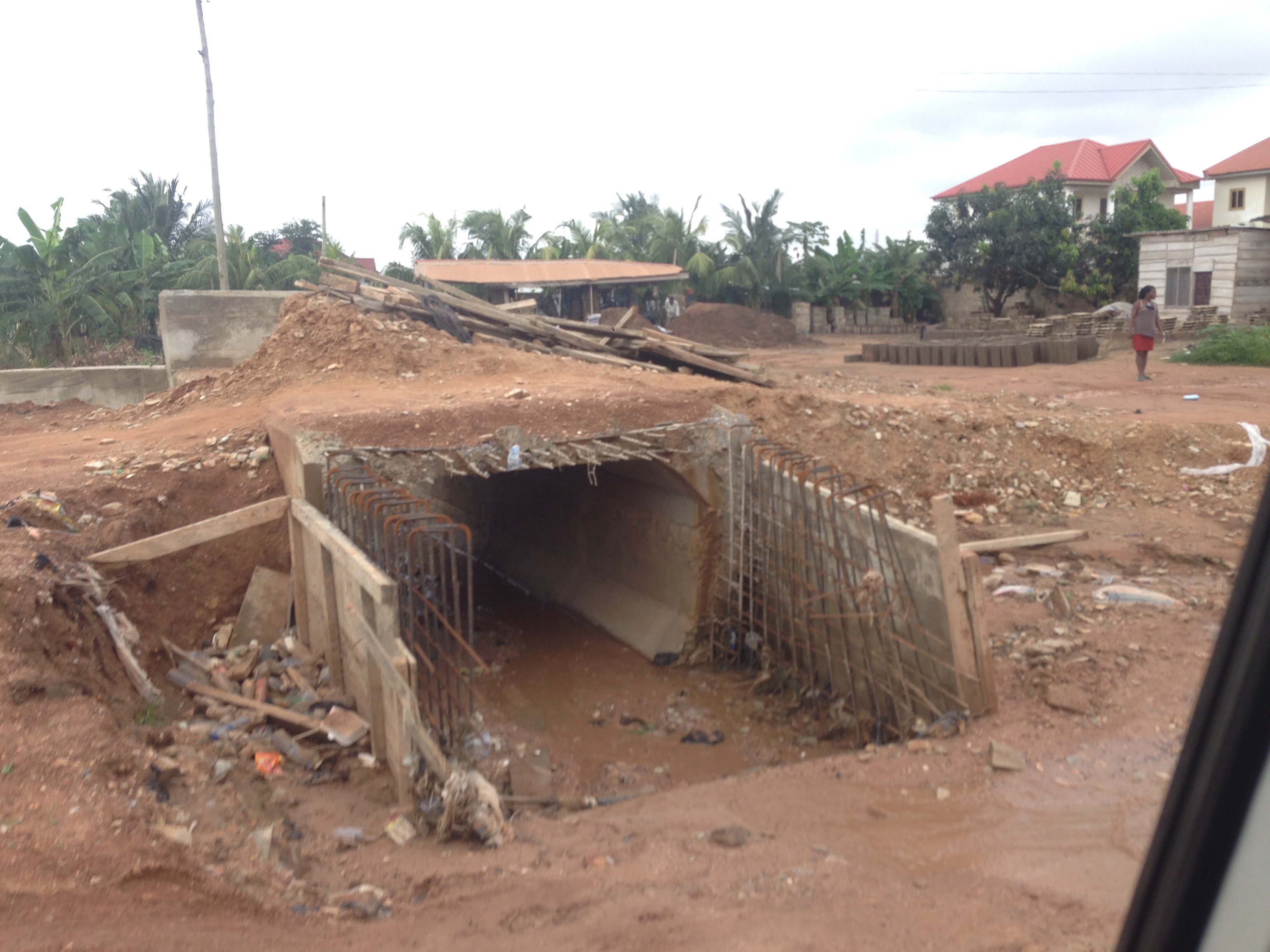
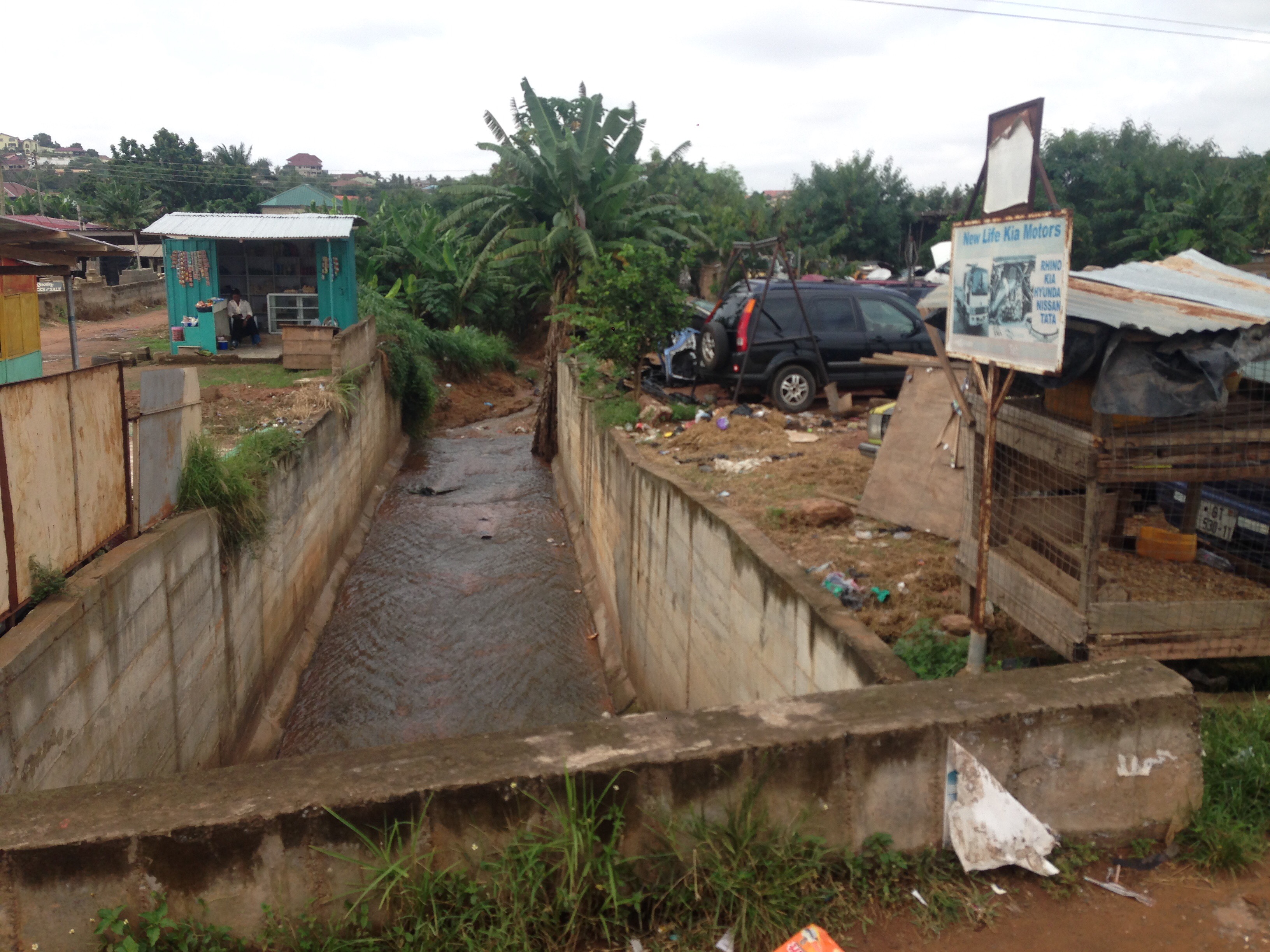
Unless there is a governmental housing in the area the quality of roads and road drainage often remains poor long after until the houses are built. In such cases, residents often form associations to take care of the public services.
I observed very little public services in the areas visited.

Below: some street drainage elements, some of them prefabricated
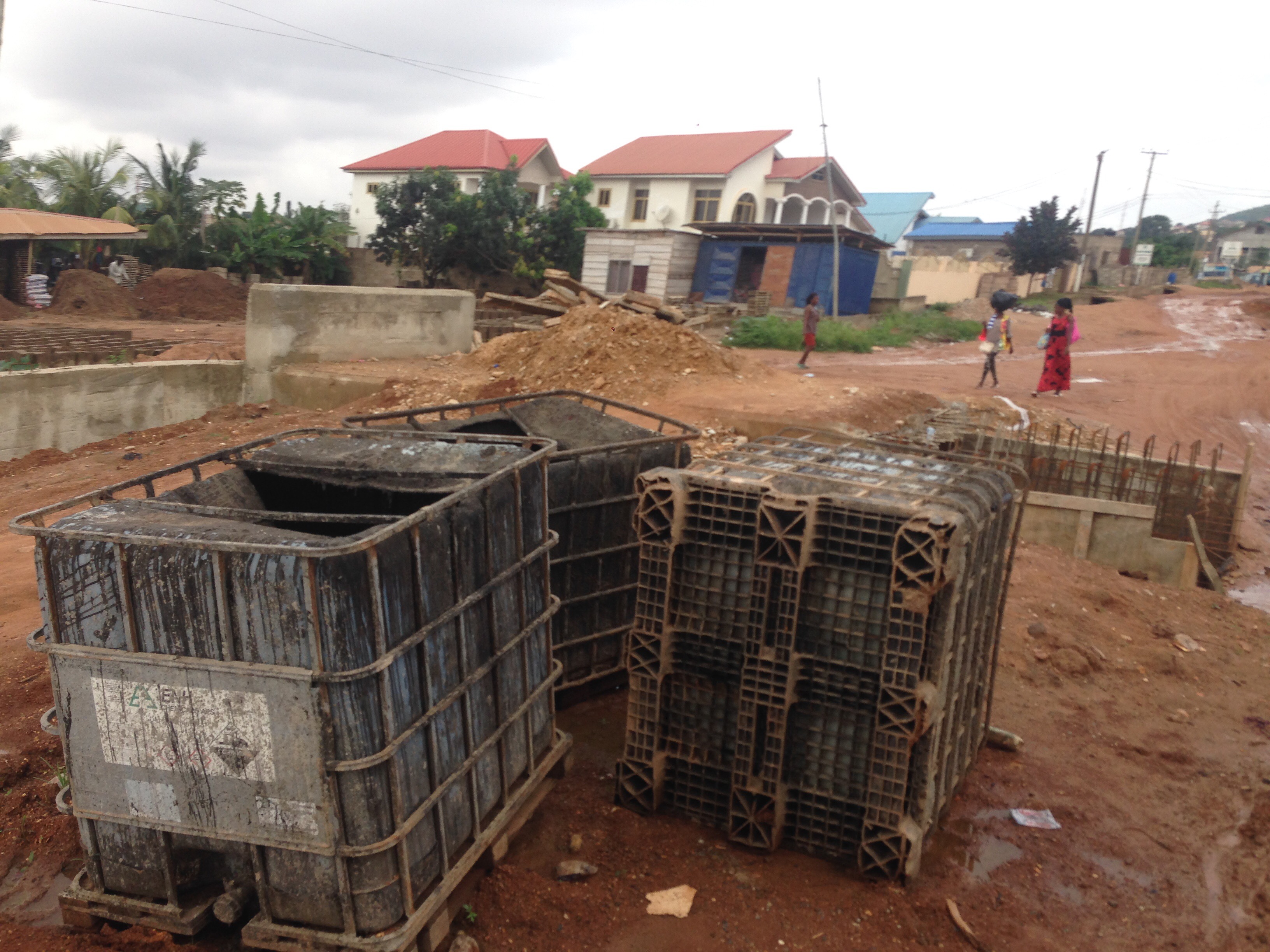
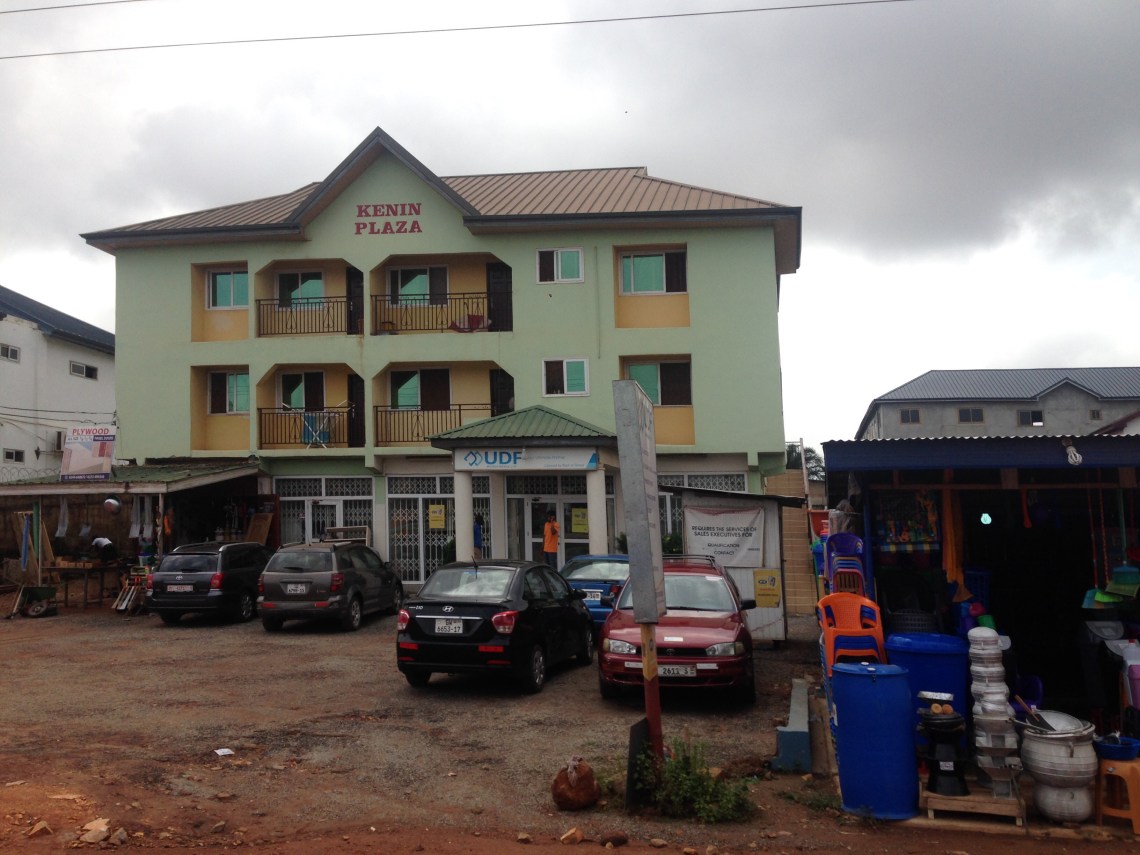
Below: stores& apartment, a typical high street building typology: 3 or 4 storey building combining retain and residential. Because many of the areas are under active development, there is a high number of building material stores, similarly to Lekki Express in Lagos.
CONSTRUCTION TECHNIQUES
Typical residential house: 5-inch block with concrete frame and timber or cold-rolled steel roof.
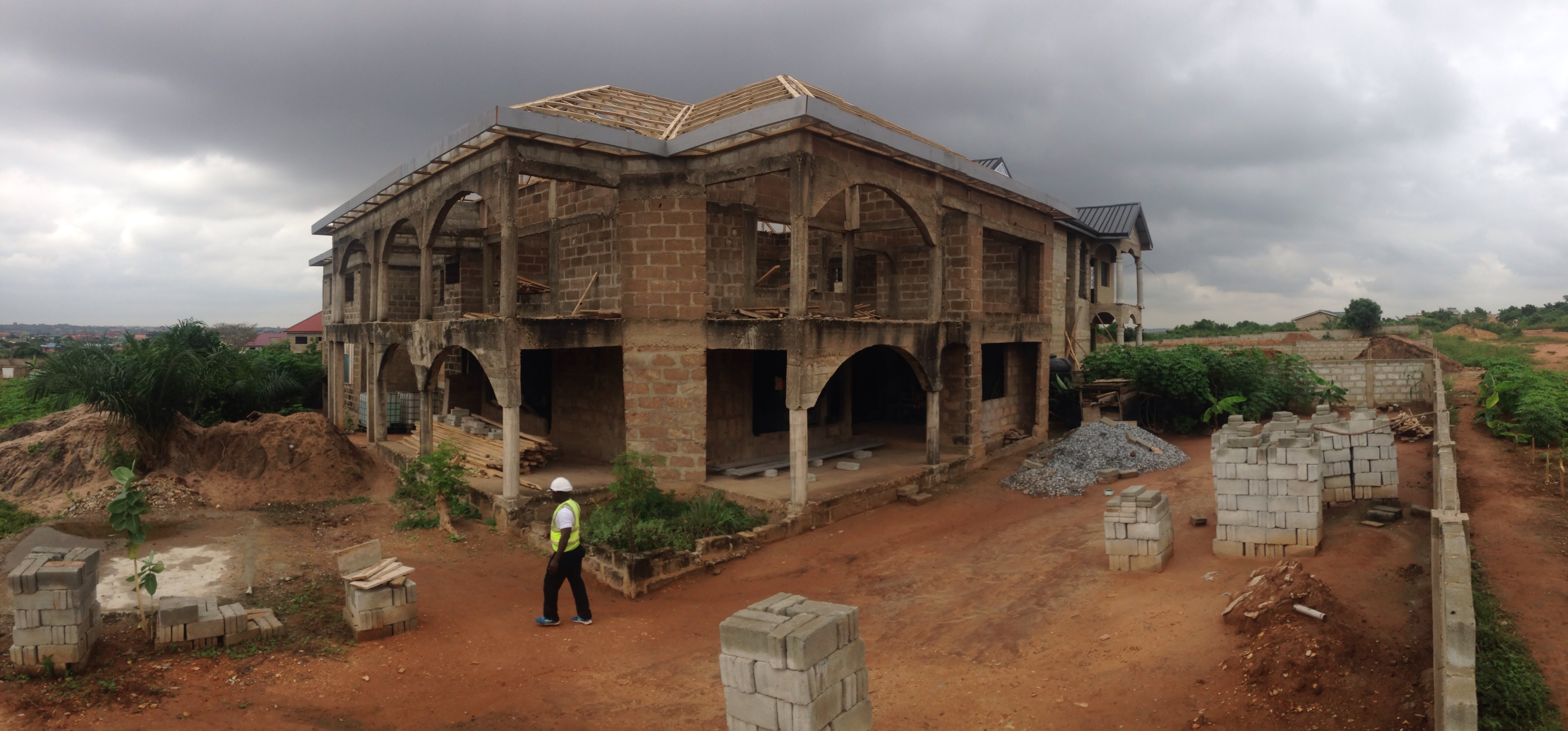
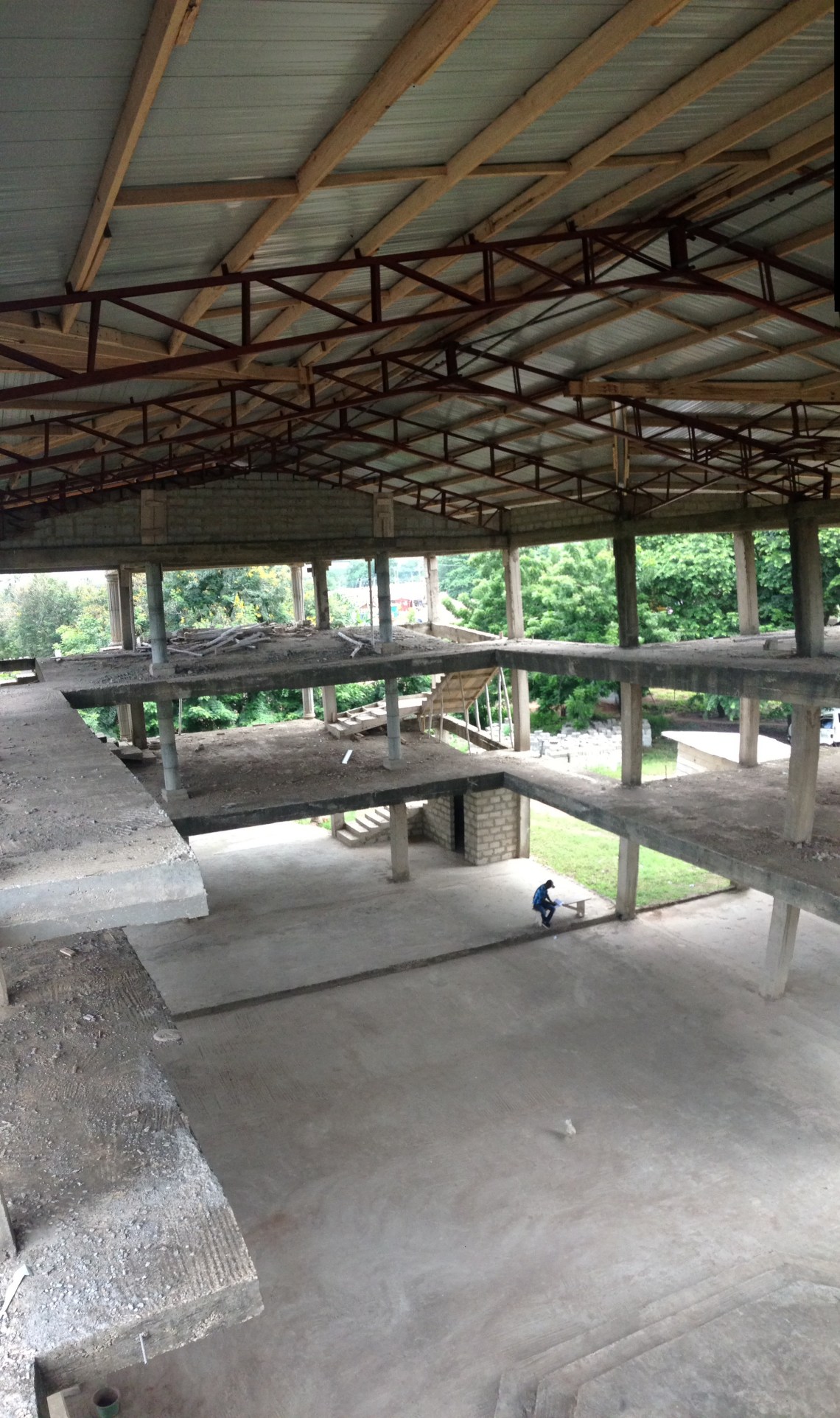 Timber is susceptible to termites and not found in large quantities in West Africa. However two types, Esa and Dauma, are still frequently used. A timber roof is 70% cheaper that the lighter and more durable cold rolled steel truss structure.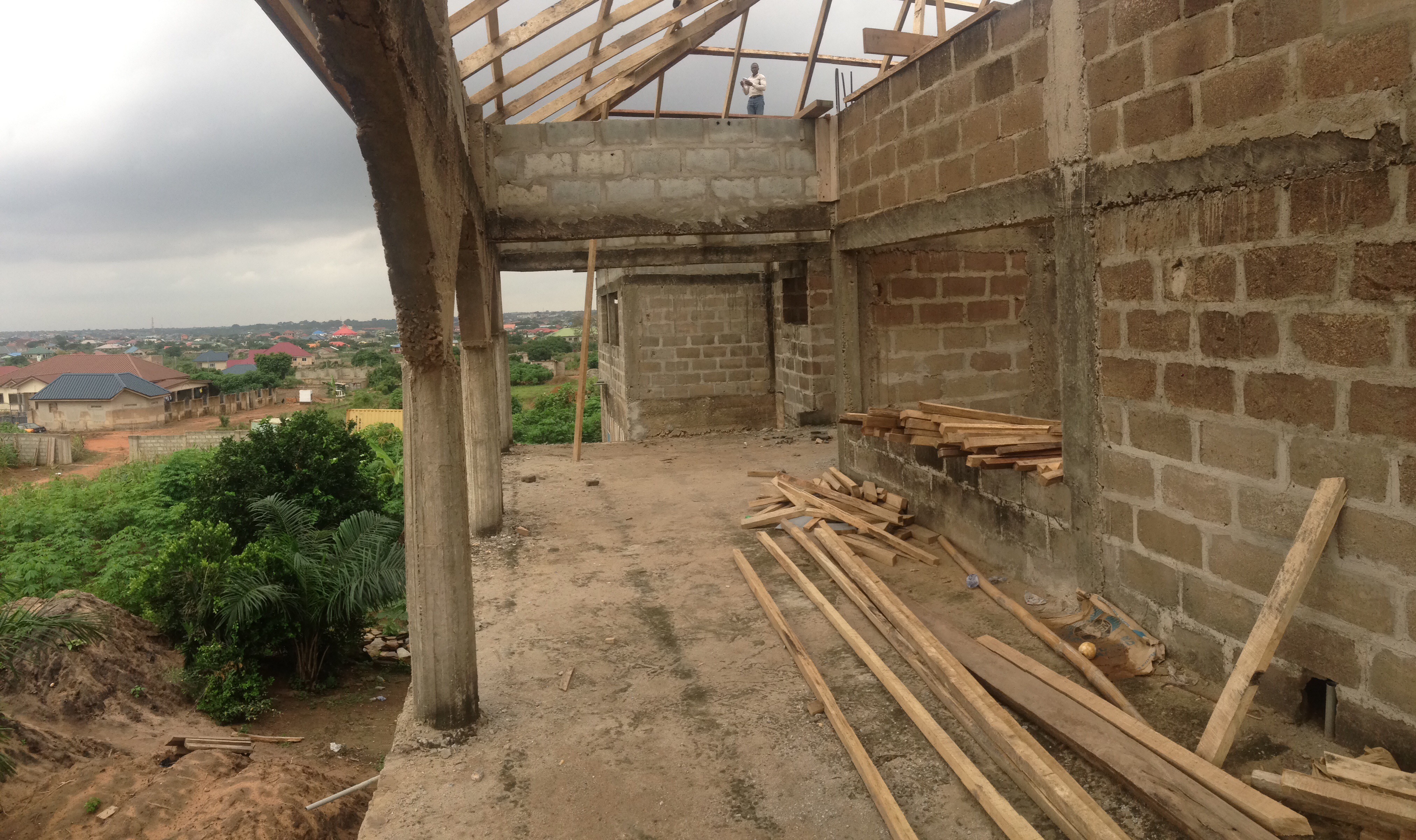
Typical columns used in many of the buildings (below)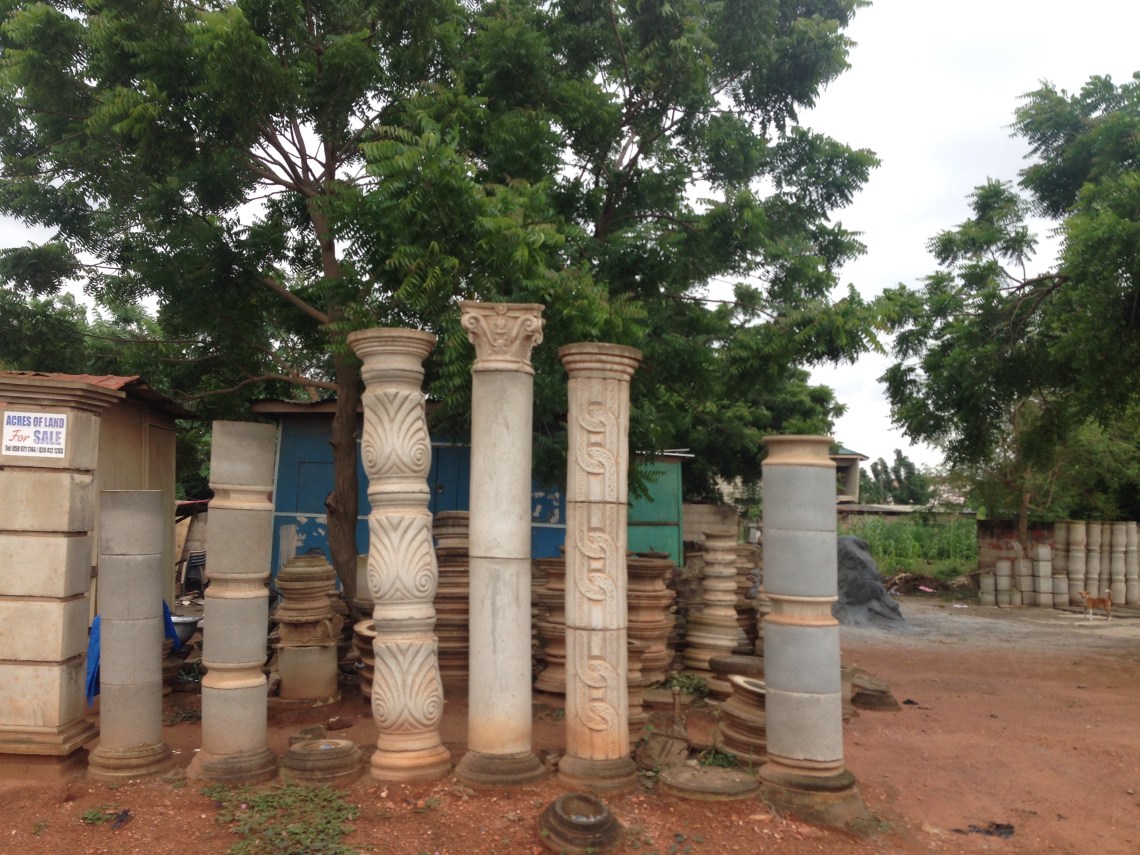 One of the larger structures with a truss roof (I have not observed any of such roofs in Lagos)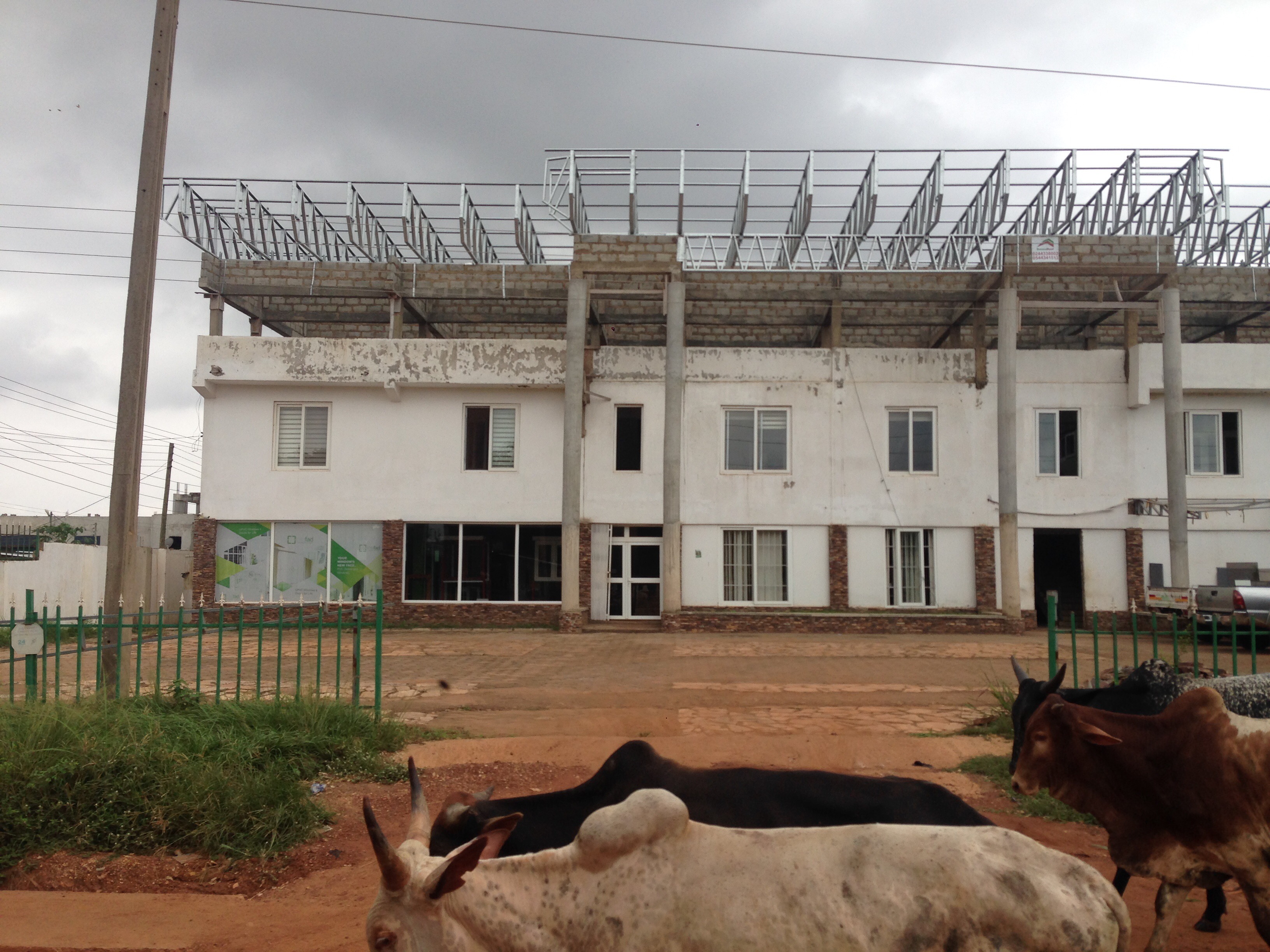
With the ground being firm and grippy, for 2-3 storey residential buildings, one often uses pad foundations, no piles.
Fresh water can be up to 100-120 feet underground. 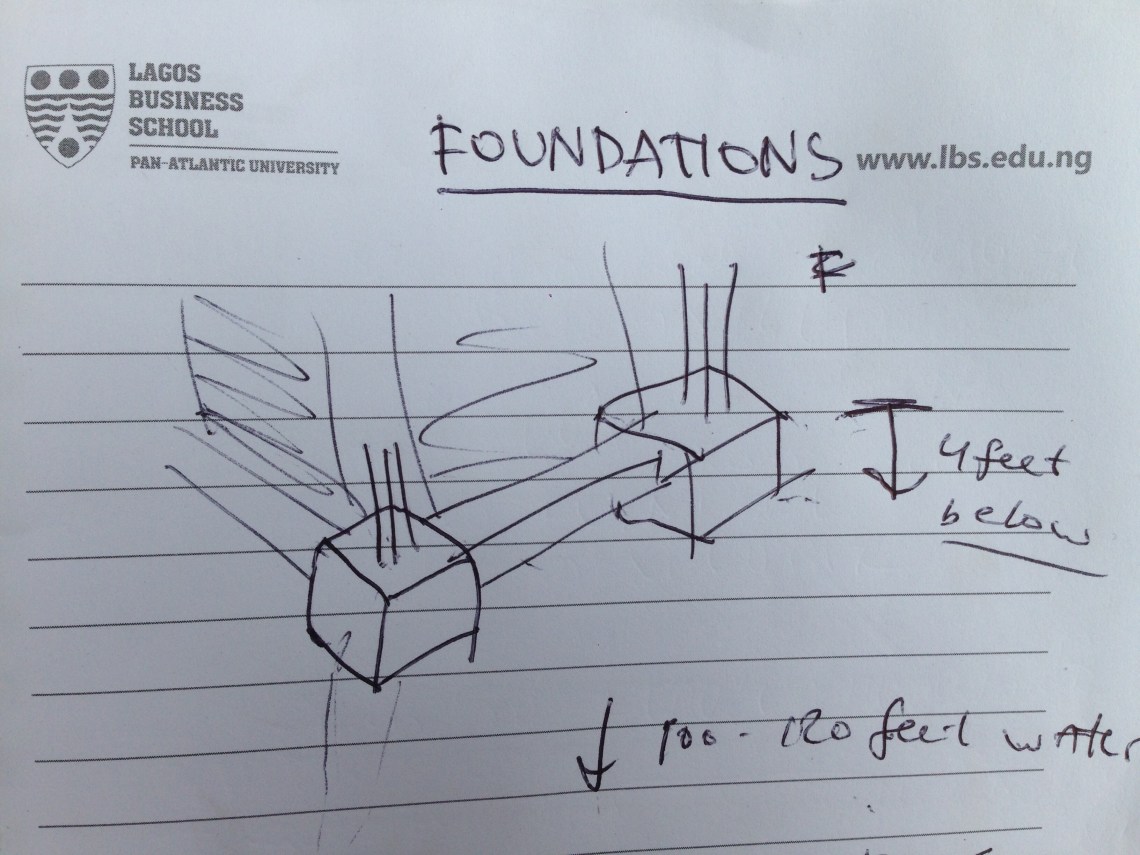
LAND OWNERSHIP
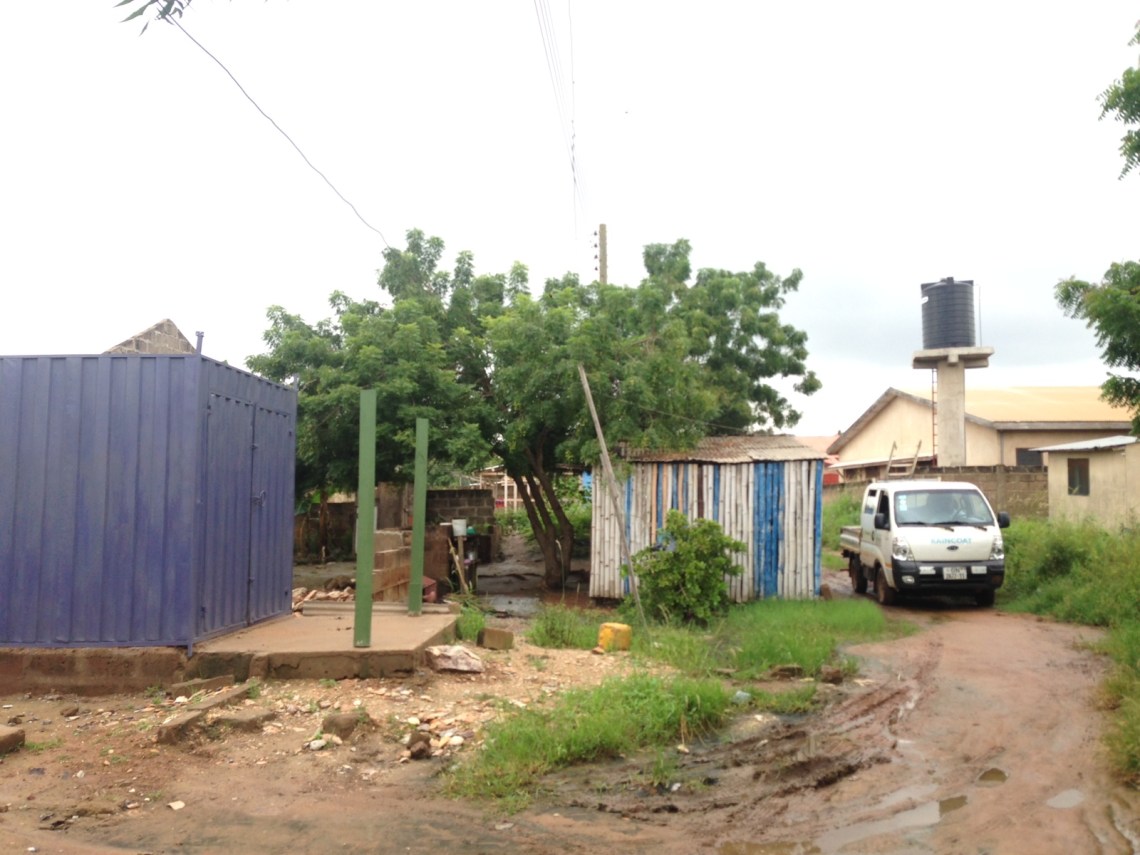
During my time in Ghana I have come across several land ownership disputes. I have been told there are cases when one delays with building on their land other individuals might illegally start constructing there, which is then difficult to stop and enforce the ownership rights. As a result many land owners put up temporary structures, such as this small shed (where children are playing) to have at least something on their plot.
BUILDING SITE ENVIRONMENT
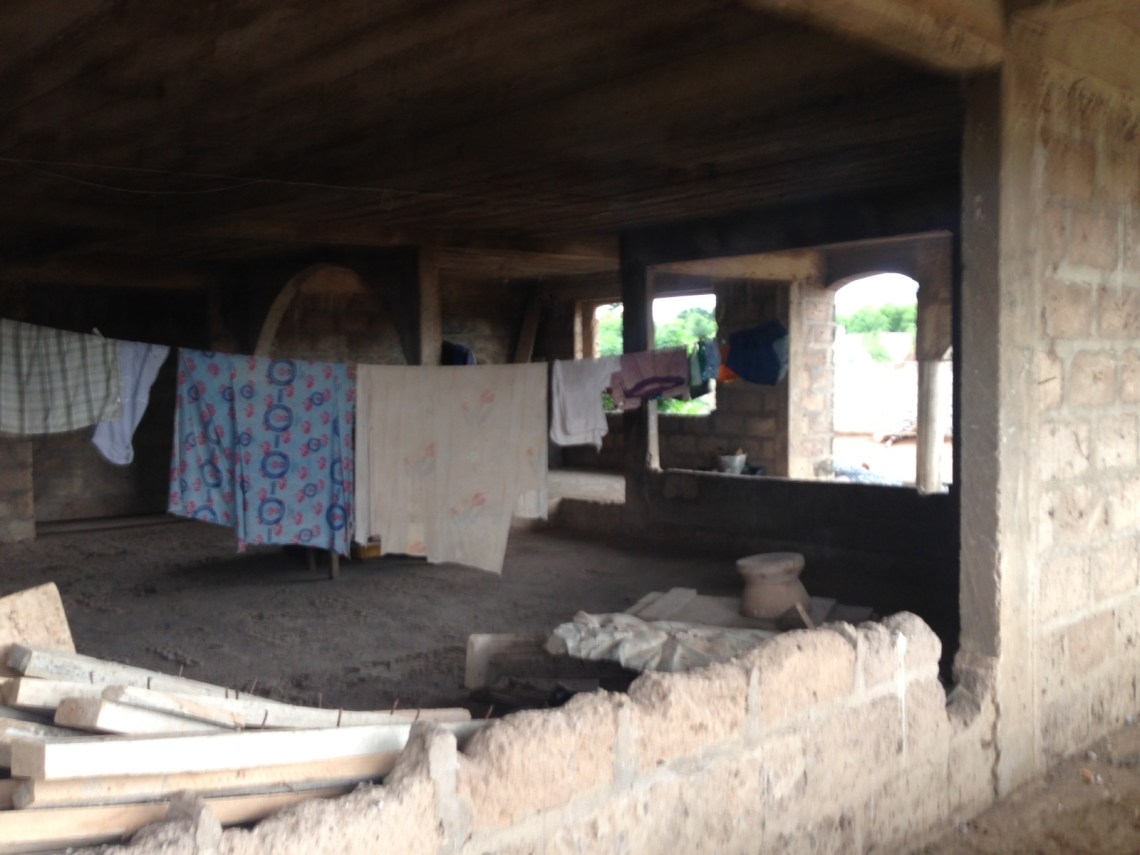
Similarly to Nigeria, the site team is often supported by people not directly involved in construction (usually women who do cooking and washing, sometimes children), and domestic animals.

 no.balsa