
Lekki free trade zone is intended to become an alternative city centre for Lagos state over the next 20-30 years. The project occupies 16,000 Ha to the East of Lekki Peninsula and is intended to become a self sufficient urban zone generating jobs for the wider area.
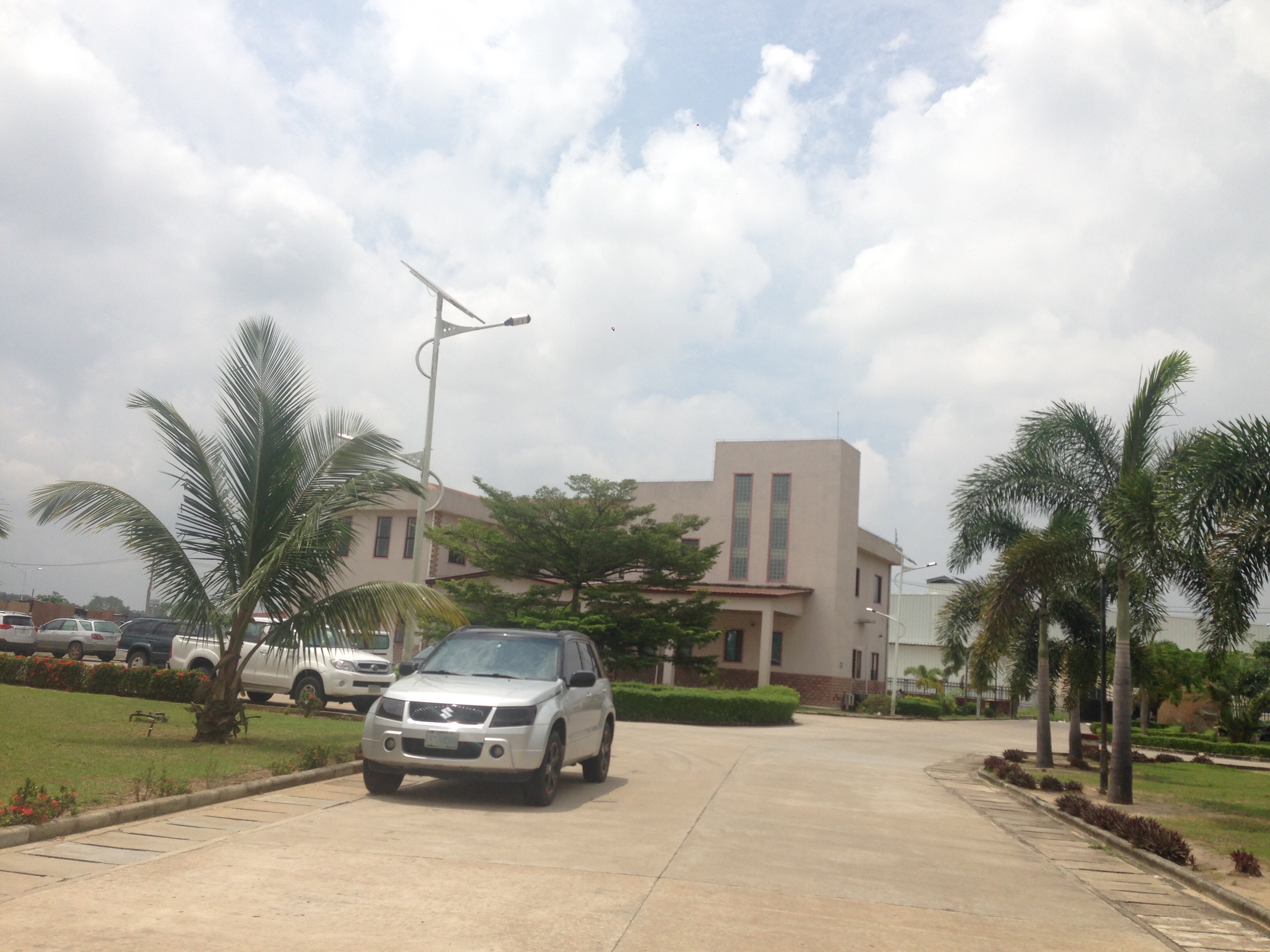
I was given the opportunity to appreciate the vast expands of land (mostly still empty) and the ingenuity of the Zone’s early users (mainly Chinese in LFTZ phase 1) who invested into land here at an early stage and began manufacturing or assembly of heavy duty trucks, structural steelwork, generators and other products on high demand in Nigeria.
It is mainly the industrial uses that have already emerged in the mostly deserted zone. The future zone will be surrounded by a new sea port, airport, oil refinery and a city where most workers would live (the zone itself is mainly intended for commercial and industrial uses). The area’s Free Zone status permits it to have a simplified customs process whilst some of the zone’s areas are dedicated to logistics and contraient storage.
A conversation with the head of planning for LFTZ gave me an insight into how the nature of urban character and architecture of the future city is being decided.
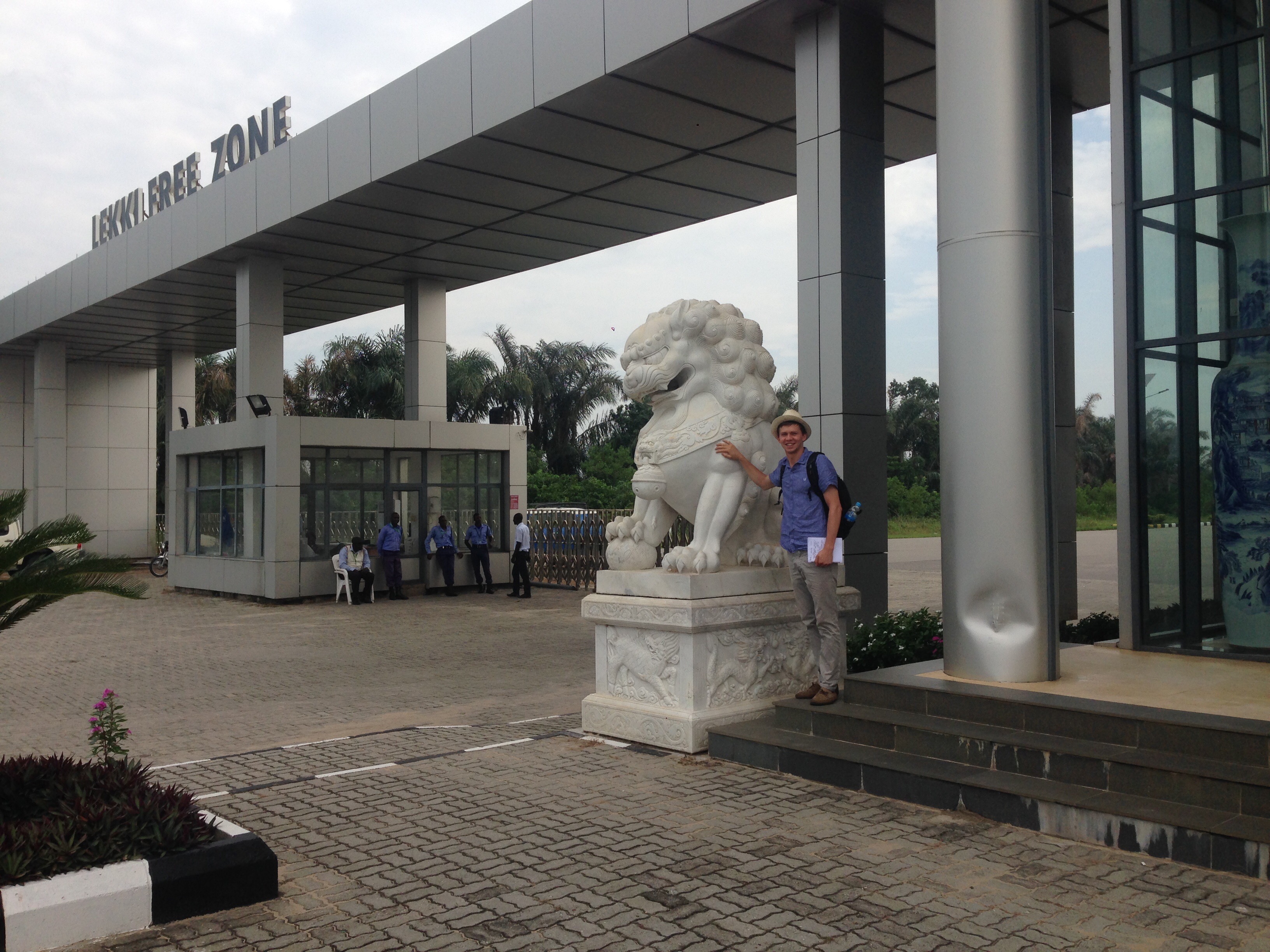
Being a closed urban zone one could enter having proved a specific visit purpose, numerous gates will be a fundamental control element in the future zone. In 2012 I observed a similar structure of layered ‘gatedness’ on a city scale in the Russian military town Ozernuy (founded 1972). The mechanisms that were dedicated to protecting a superpower’s secrets during the Cold War are now employed to regulate international business in Nigeria.

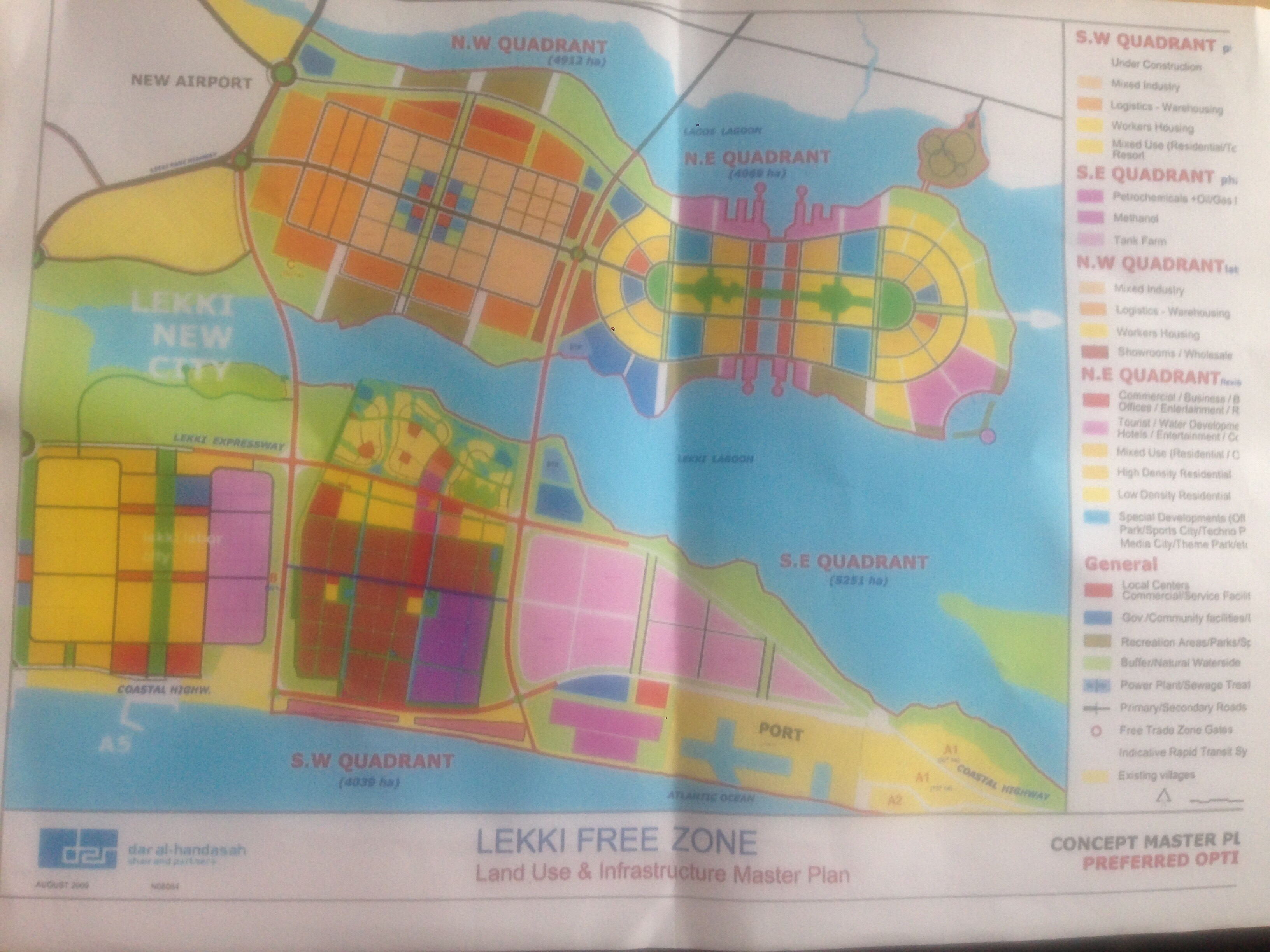
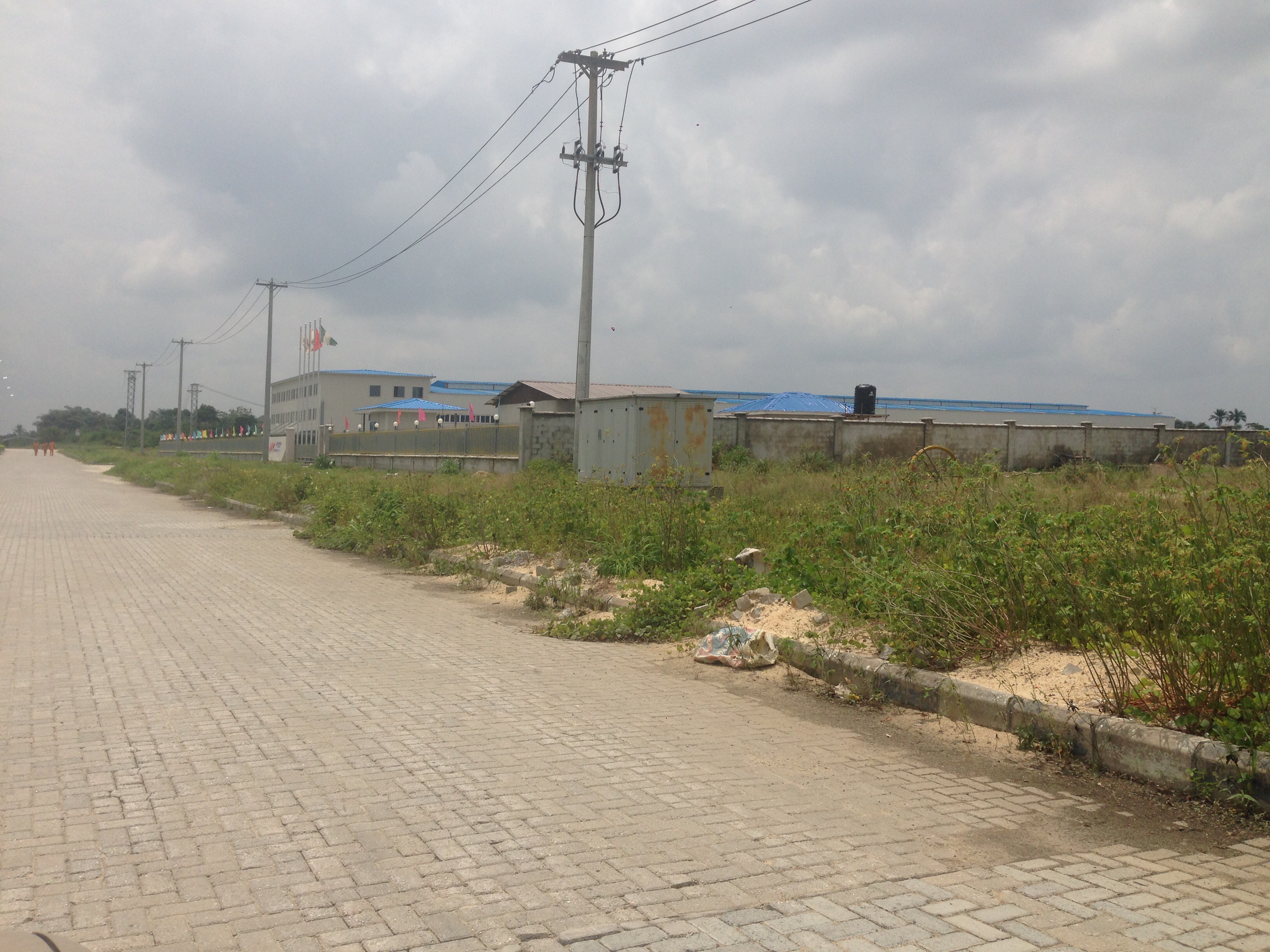
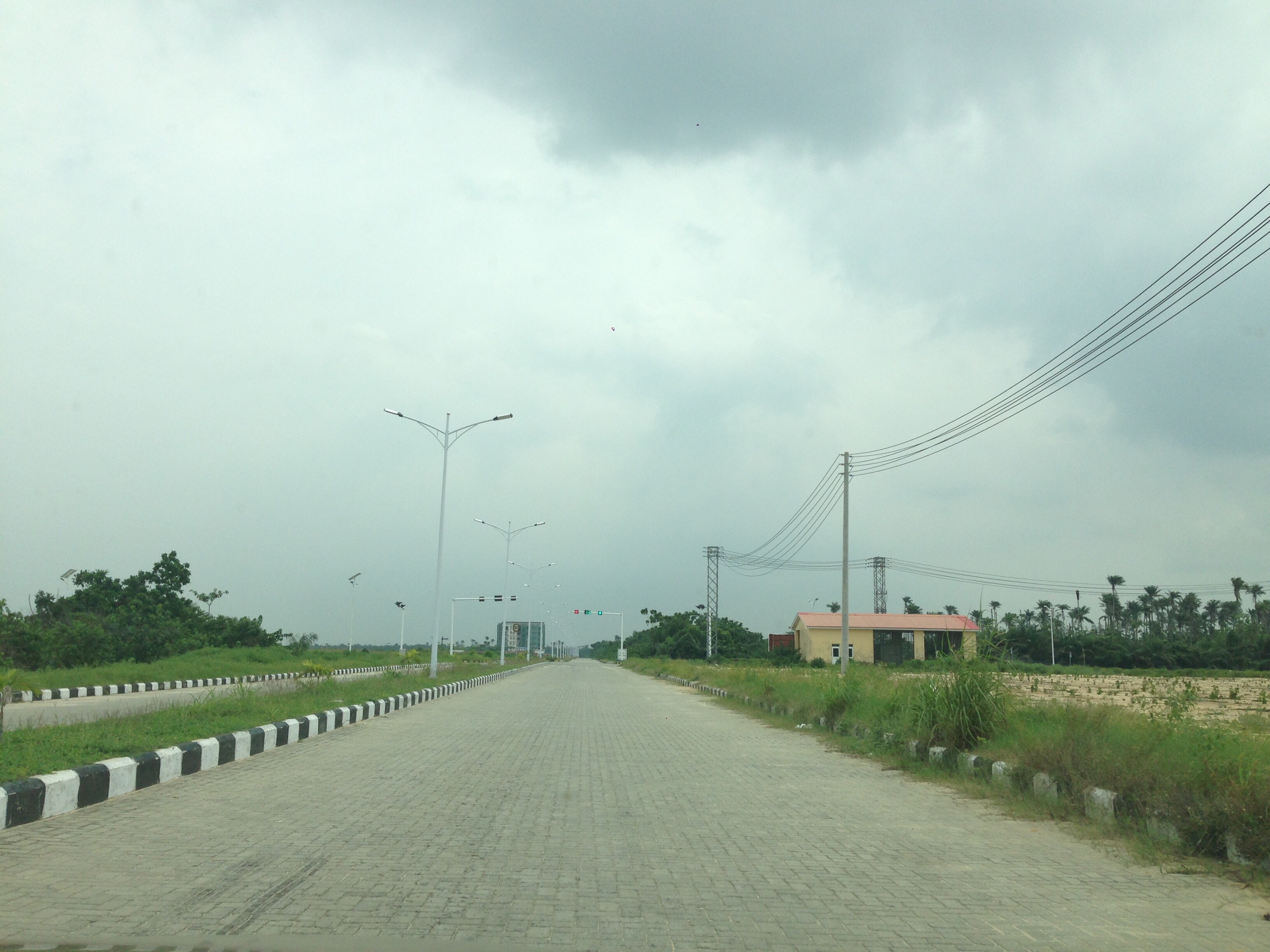
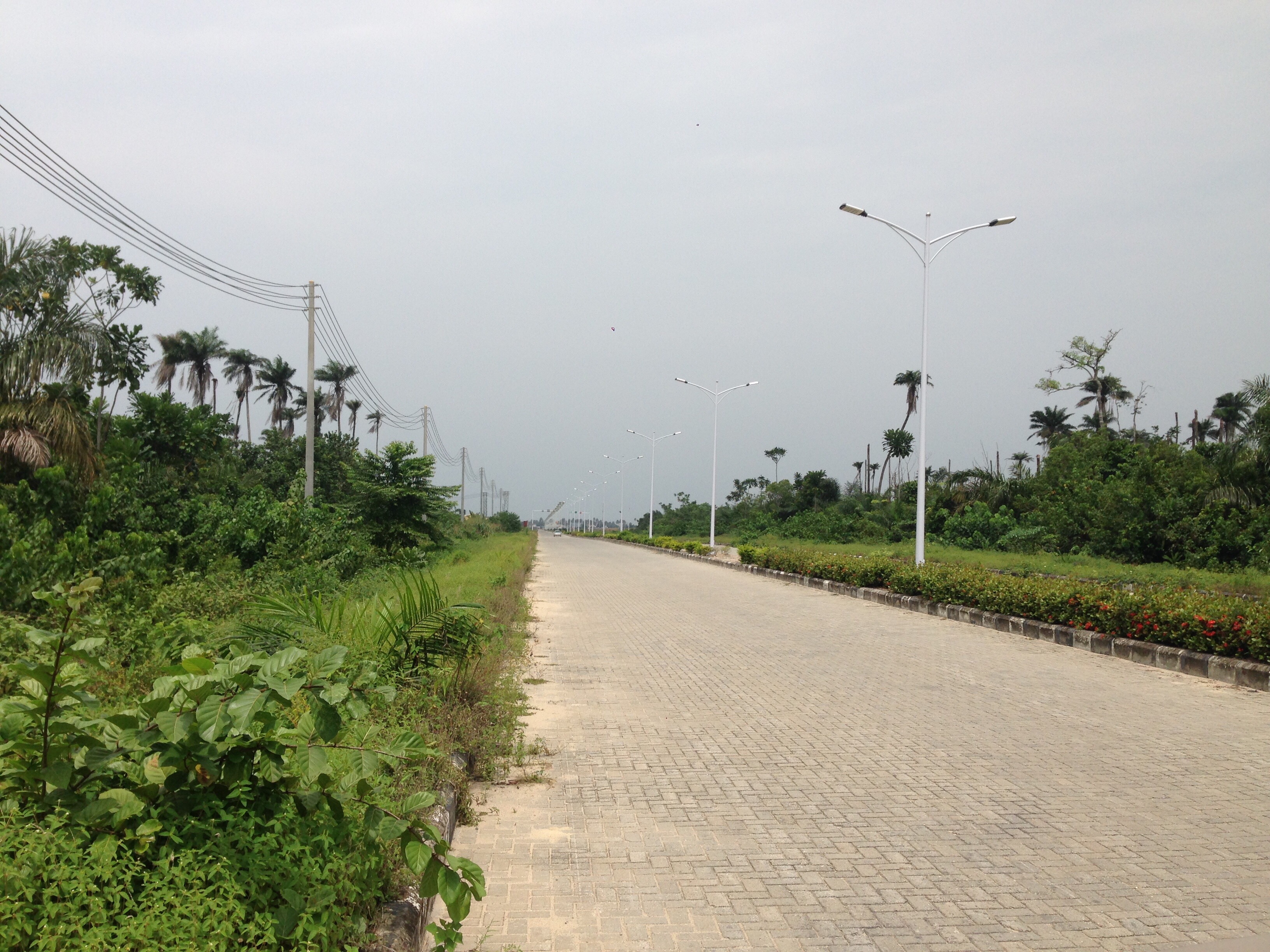
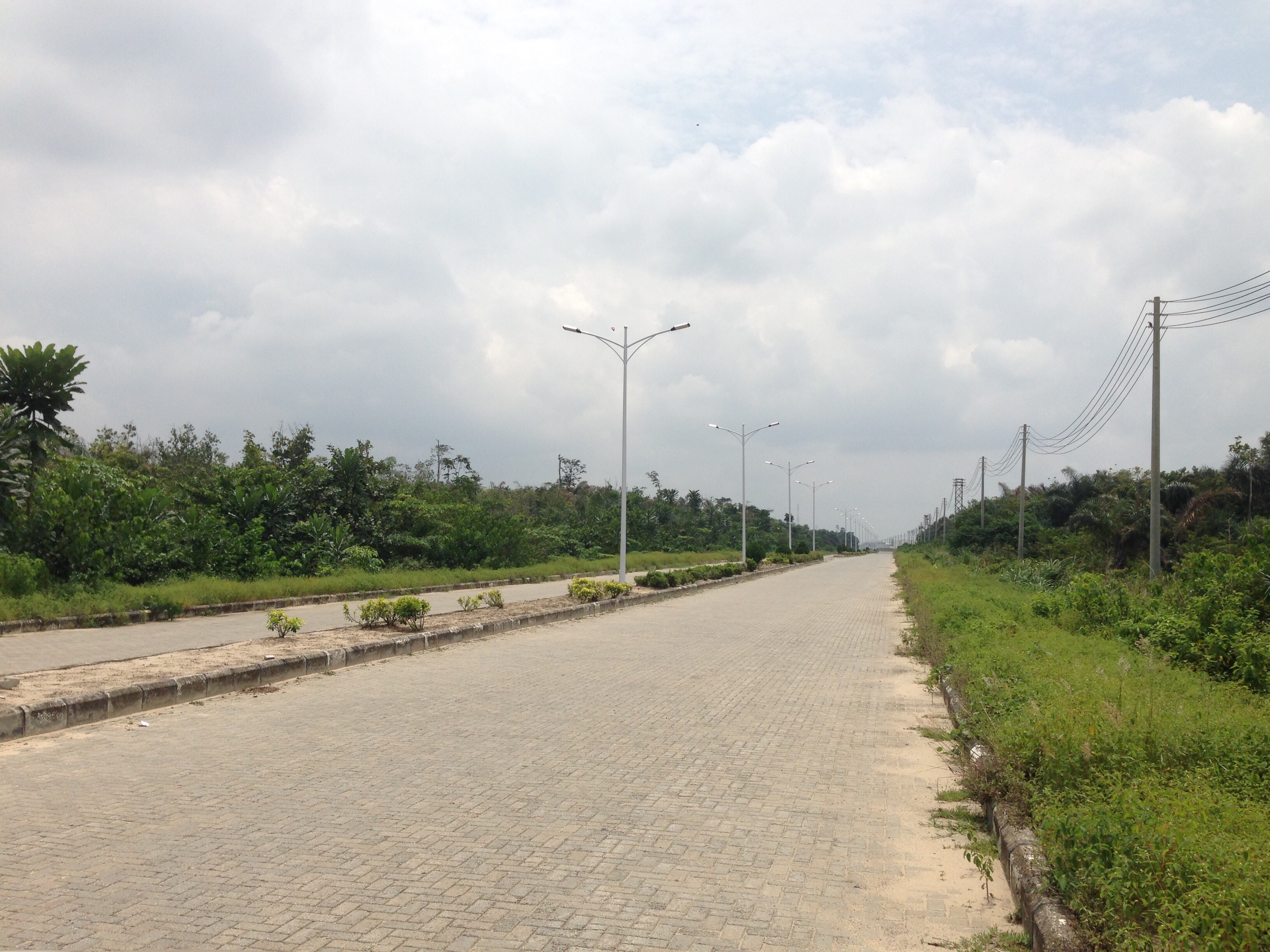
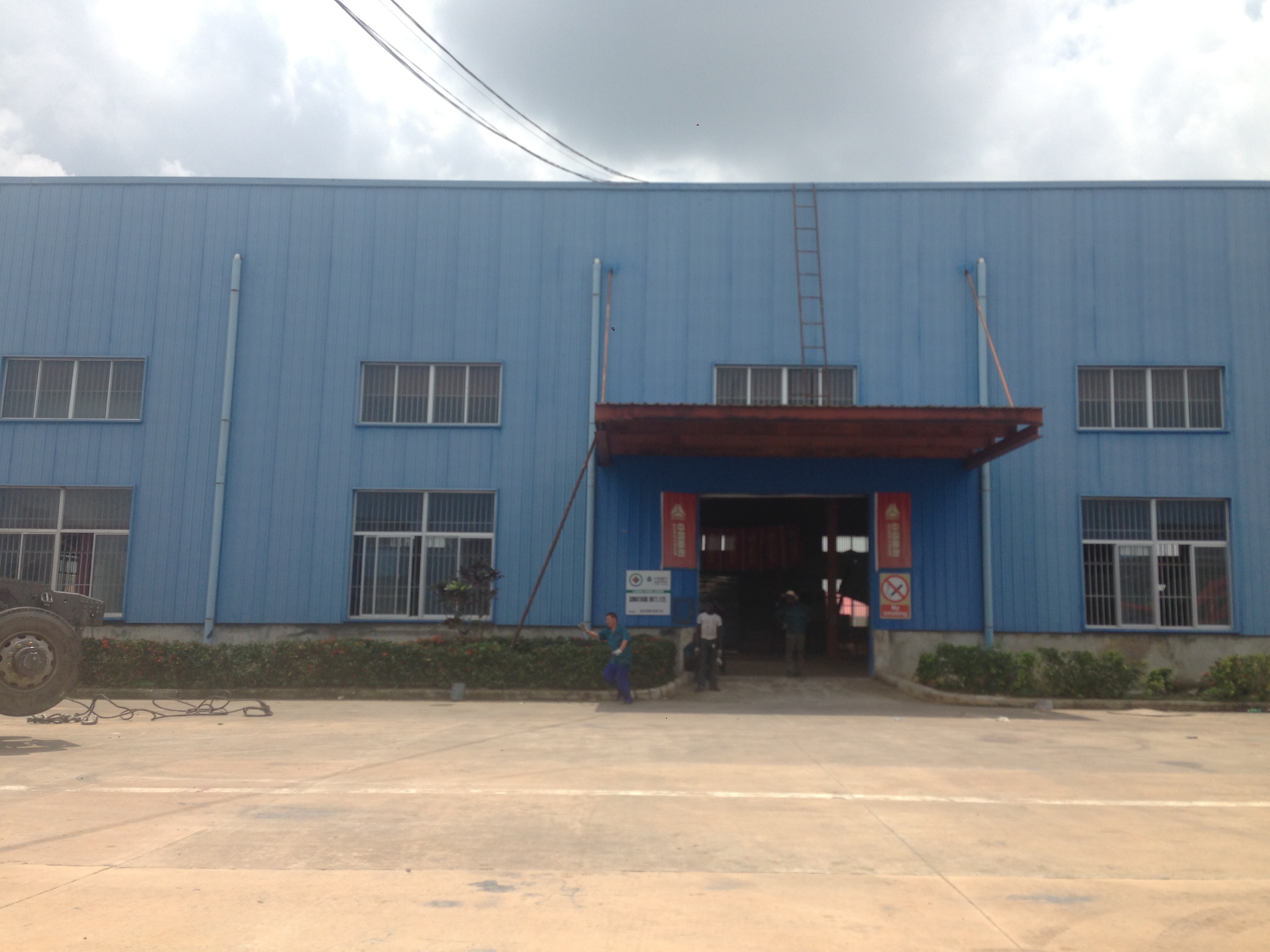
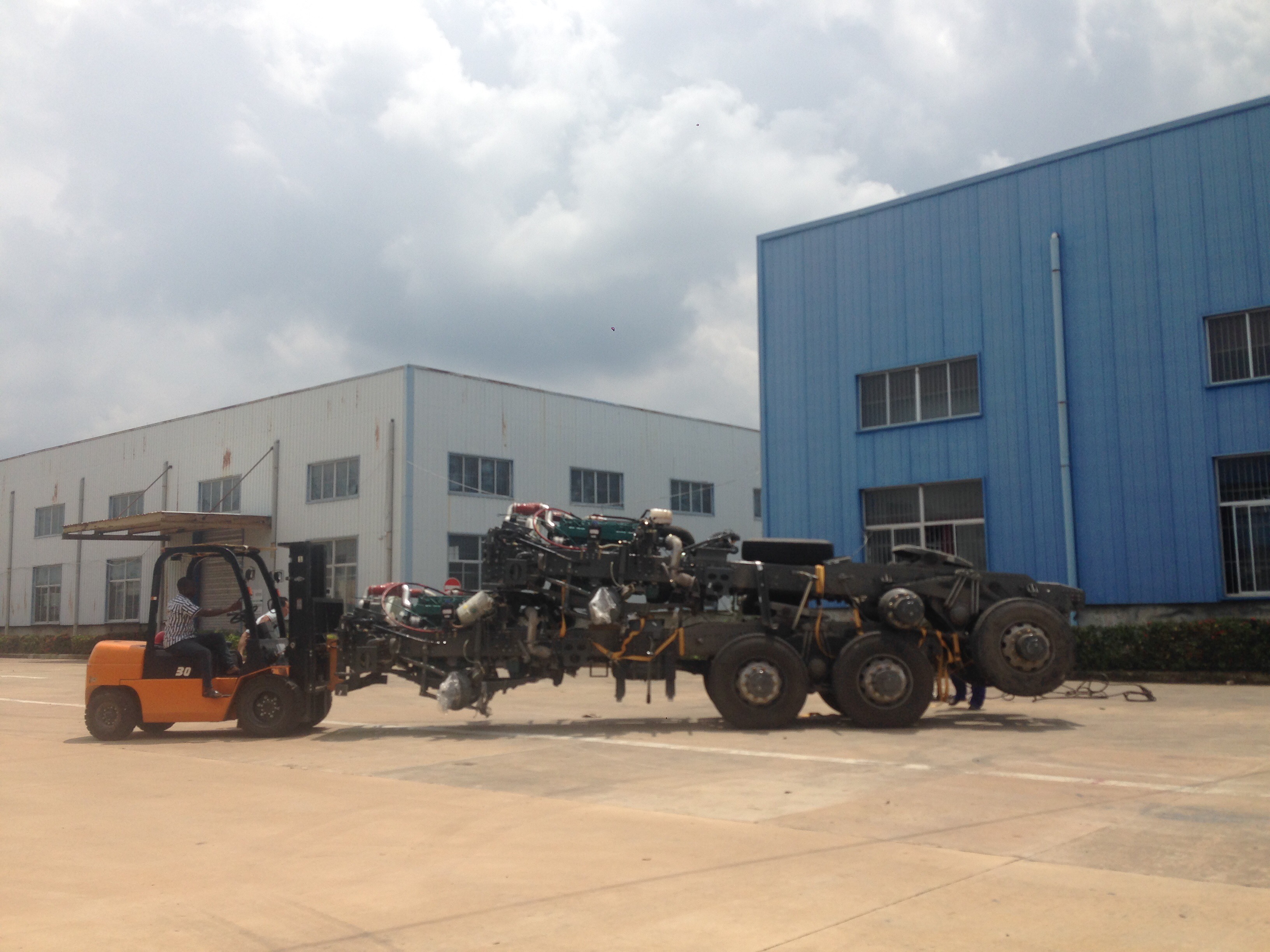


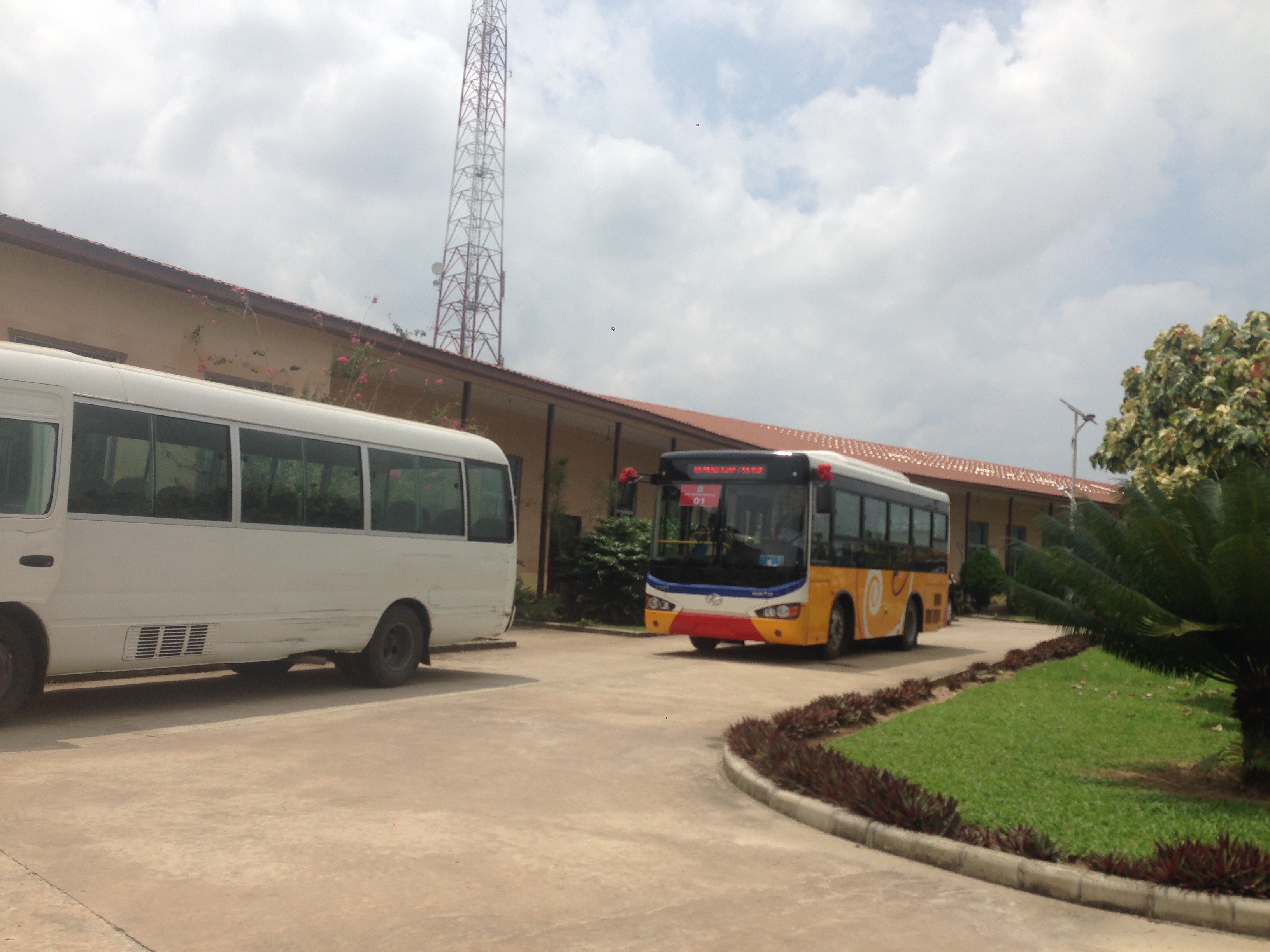


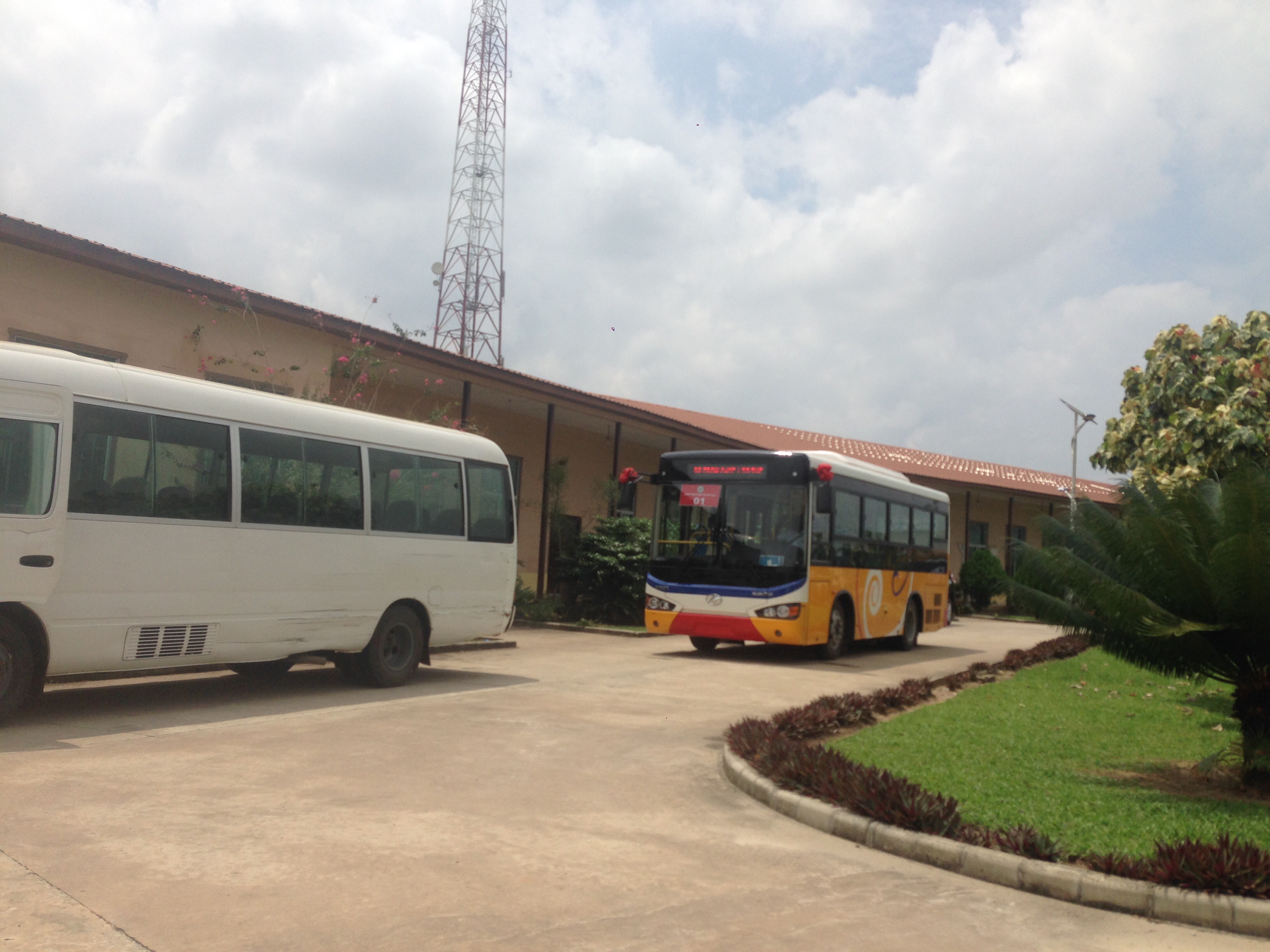
Below: the zone has not yet been built, whilst some of its parts already have long term functions contracdicting the masterplan. Below: residence camp for Zone’s staff in the midst of light industrial /startup area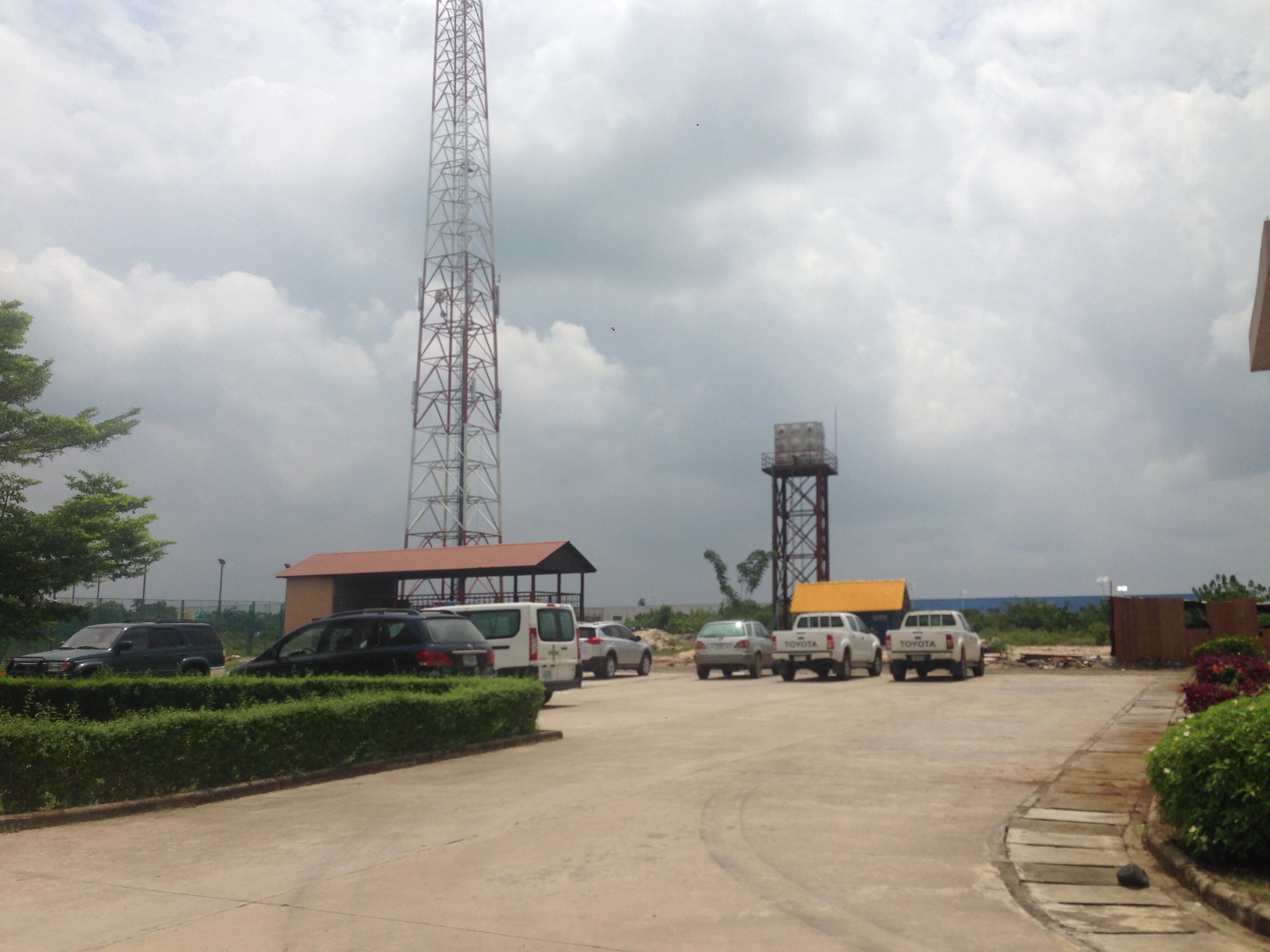

 no.balsa