

The Wavecrest Institute and some of my other sources have recommended me to look for possible sites on Lekki Peninsula. Heaving once been a bushy and marshy neglected extends of easily flooded land to the east of the island, today’s Lekki is the top destination for upper and middle class families, when relocating from the dense and dusty mainland environment. Schools, shopping malls and churches are emerging to accommodate this move.
Yesterday’s visit to Ajah and its environs was aimed at establishing understanding of the immediate context of the Lekki masterplan interventions. Ajah is a small dense town with some key busy routes branching off the main Lekki expressway. It has architecture of all profiles including informal settlements. Ajah’s steet environment with active and dense main commercial streets and deeper and quieter residential parts reminded me of that in Yaba on the mainland.
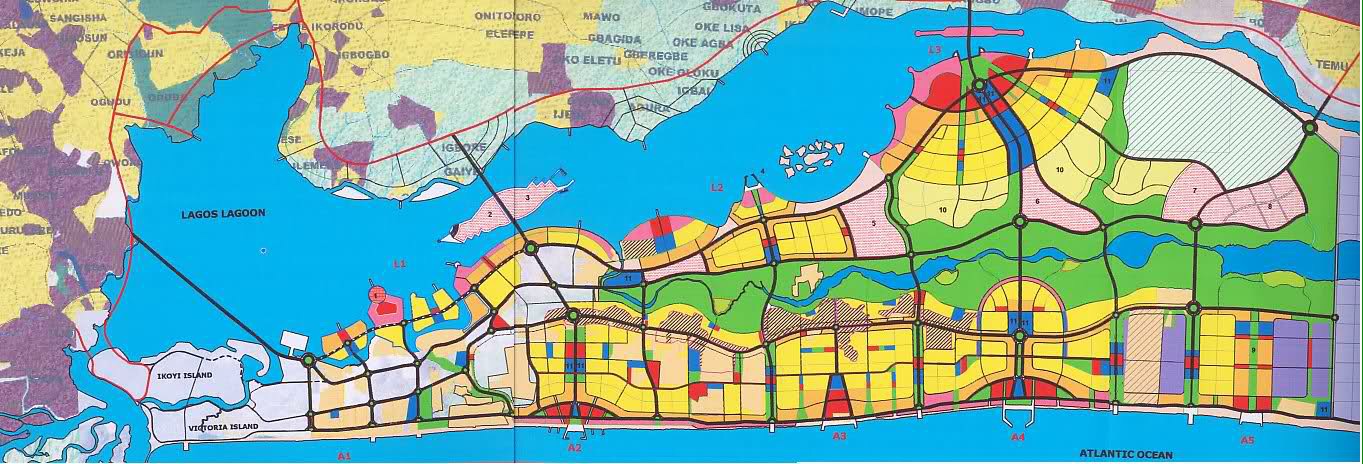
Above: Lekki masterplan – unknown whether the current version – to be verified next week
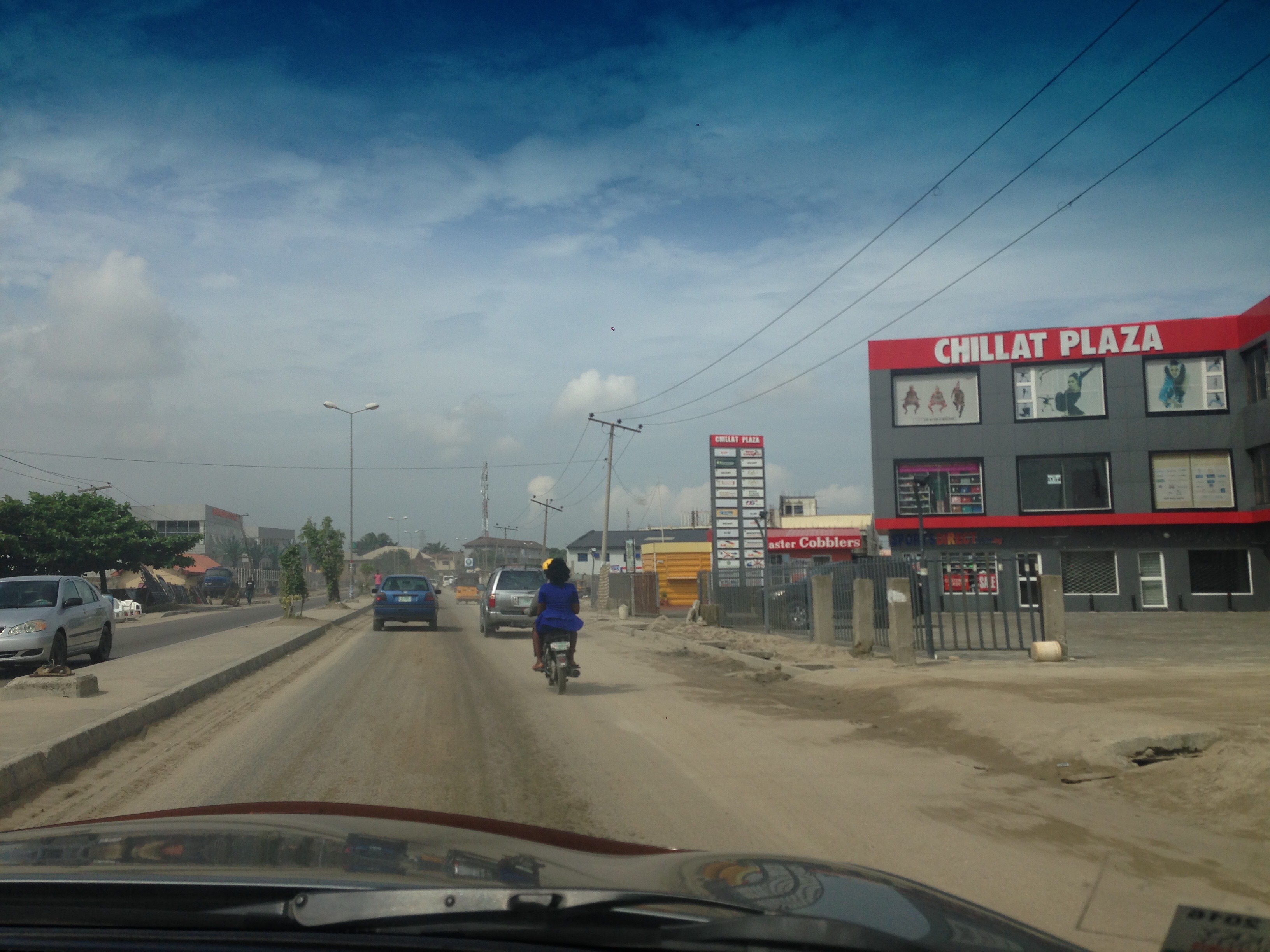
Above : Lekki-Epe. express , the main spine road along the Lekki Peninsula
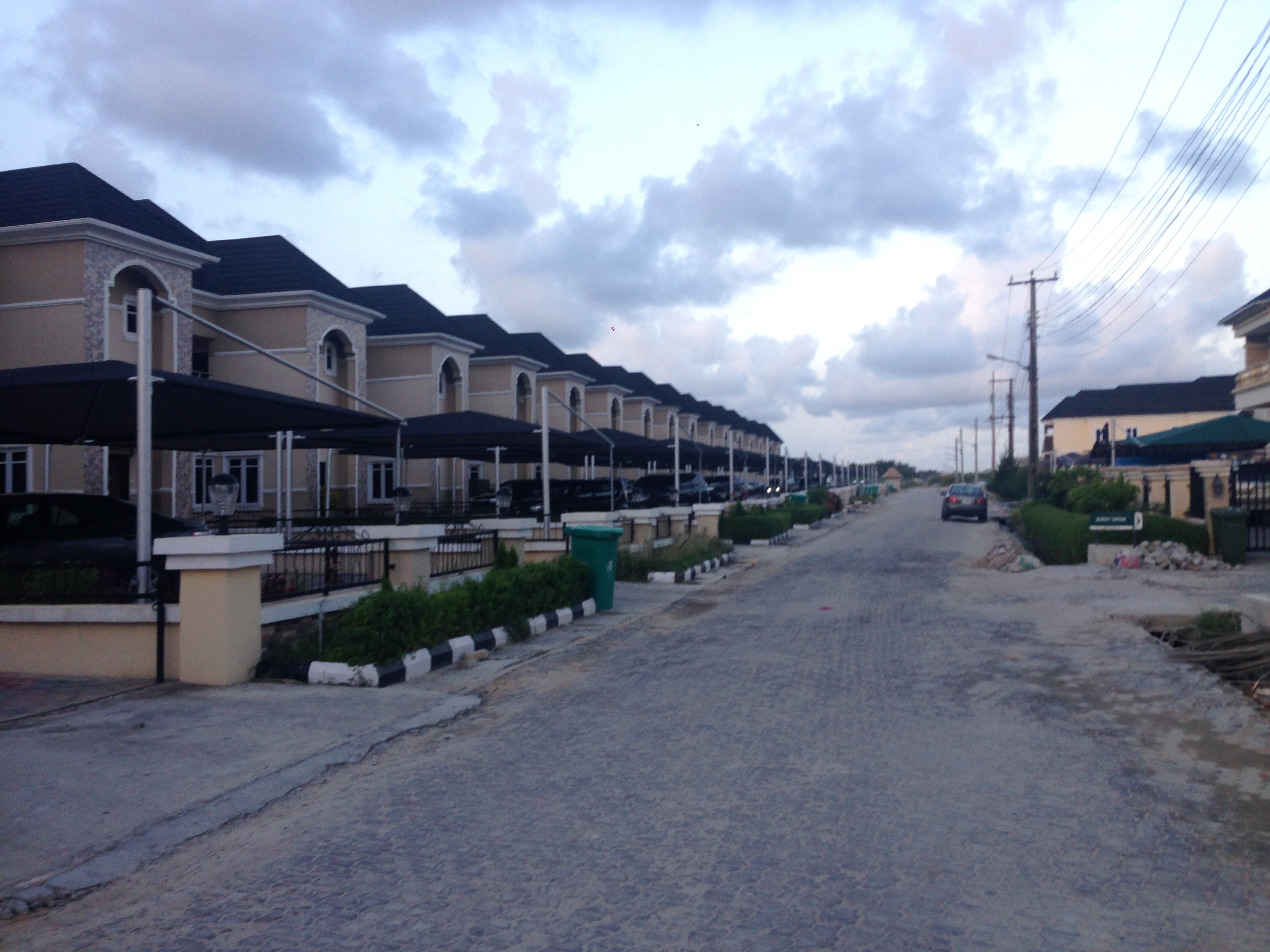
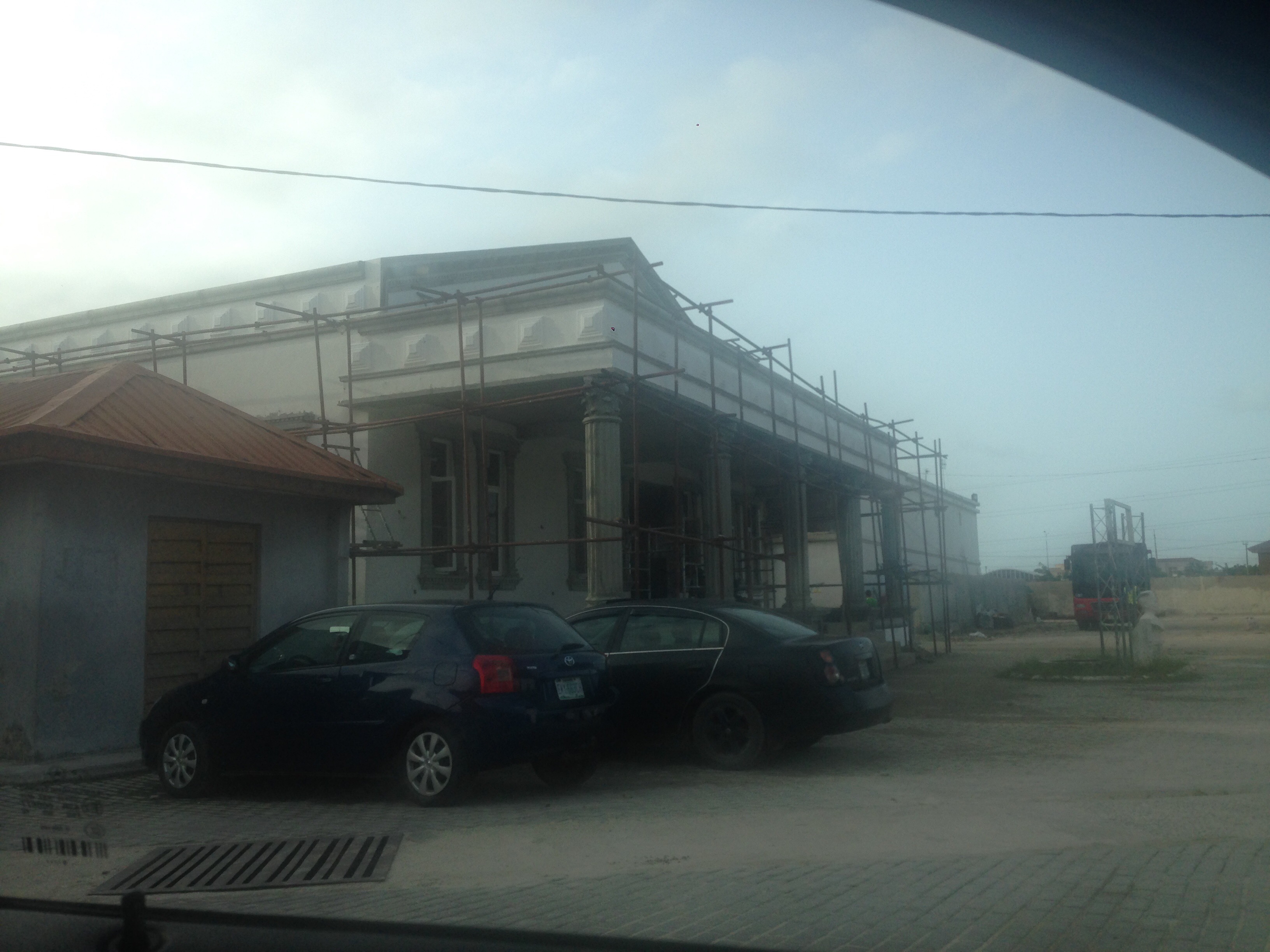
Above: typical Lekki phase 1 ( already developed masterplan part): gated estates and compounds behind a great range of safety mechanisms , local chiefs’ palaces , schools, churches and shopping malls
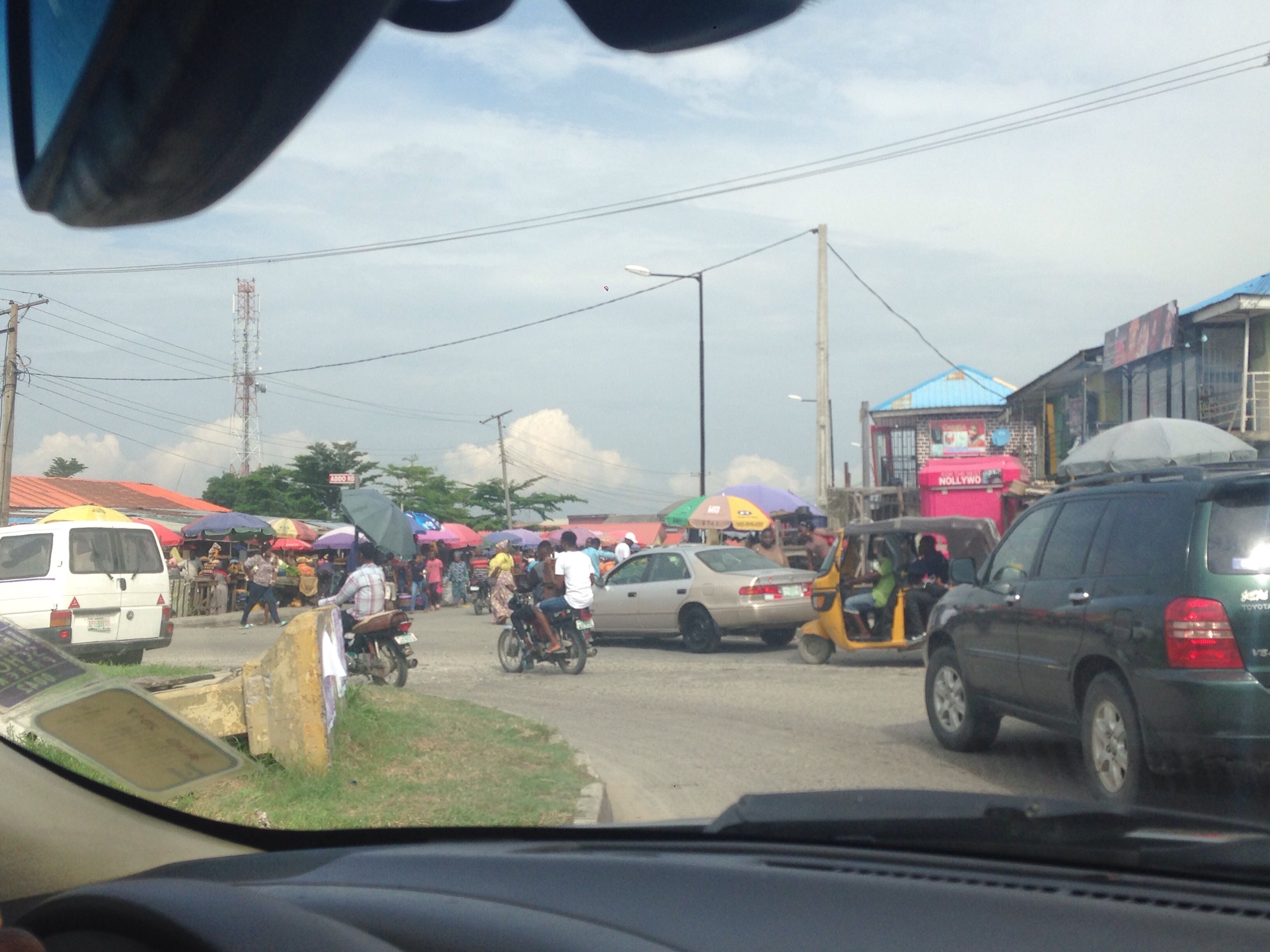
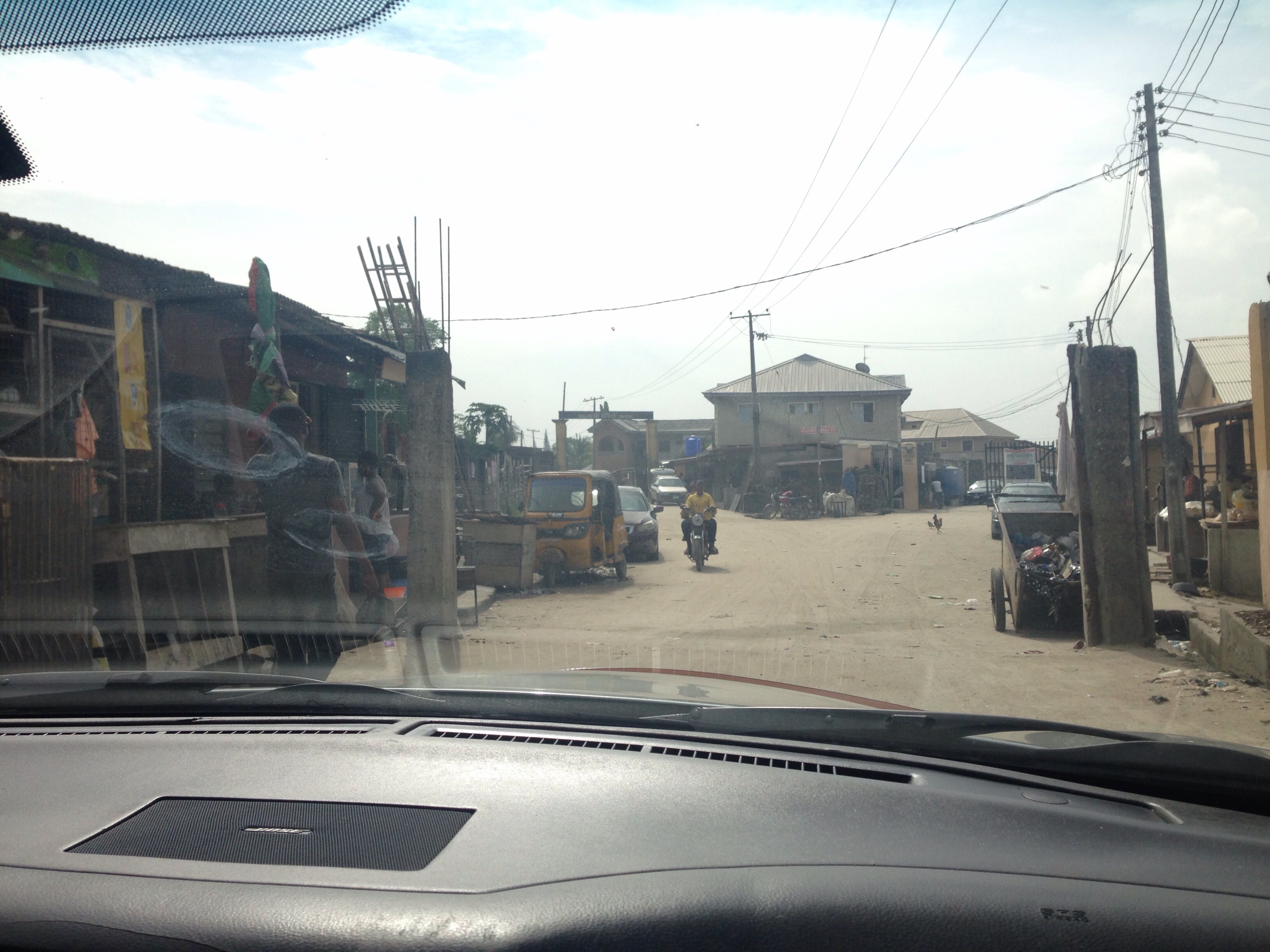
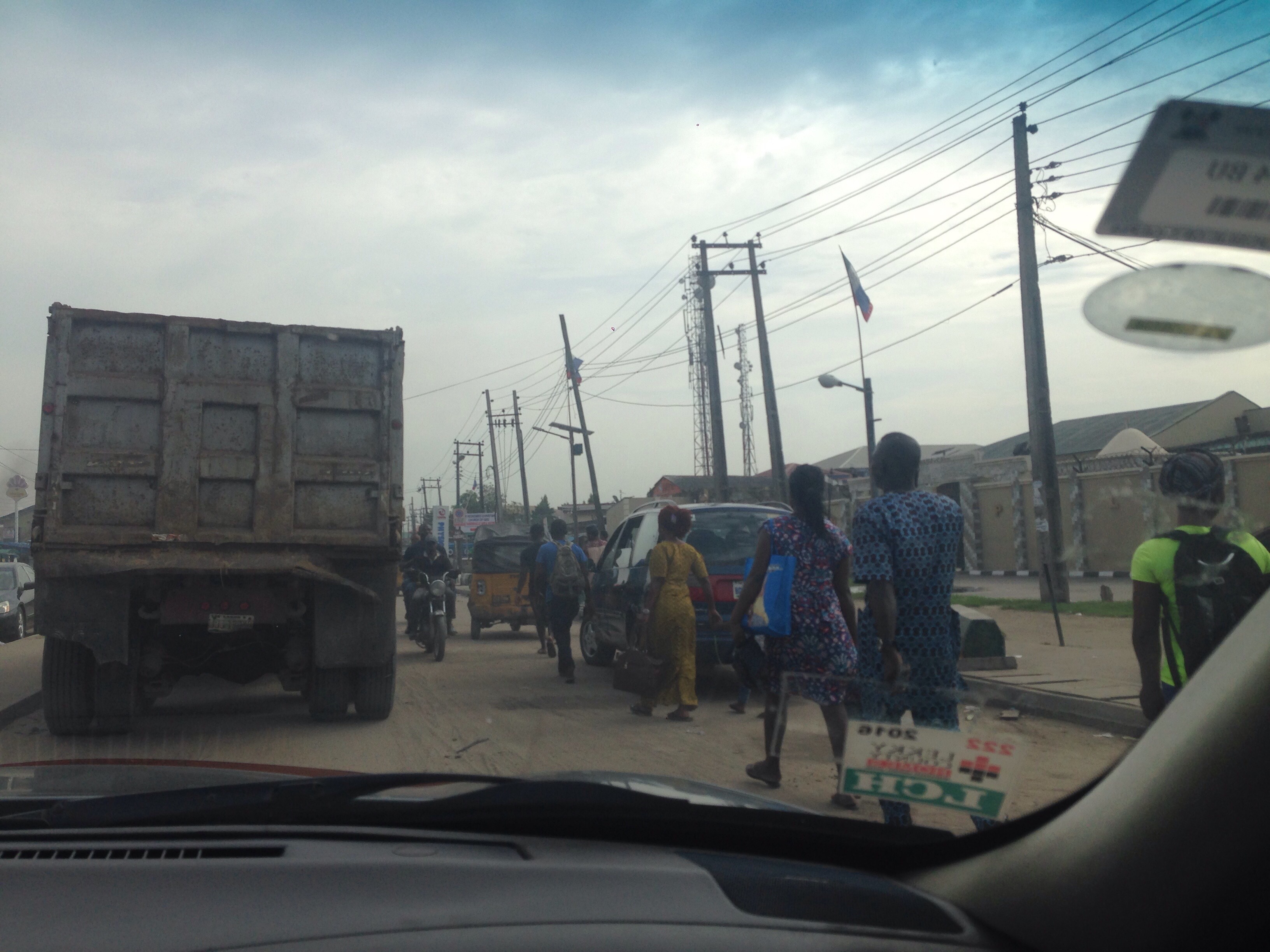
Above: images of Ajah, an unusual part of the Lekki Peninsula given its affordable land prices and street environment, similar to that on the mainland.
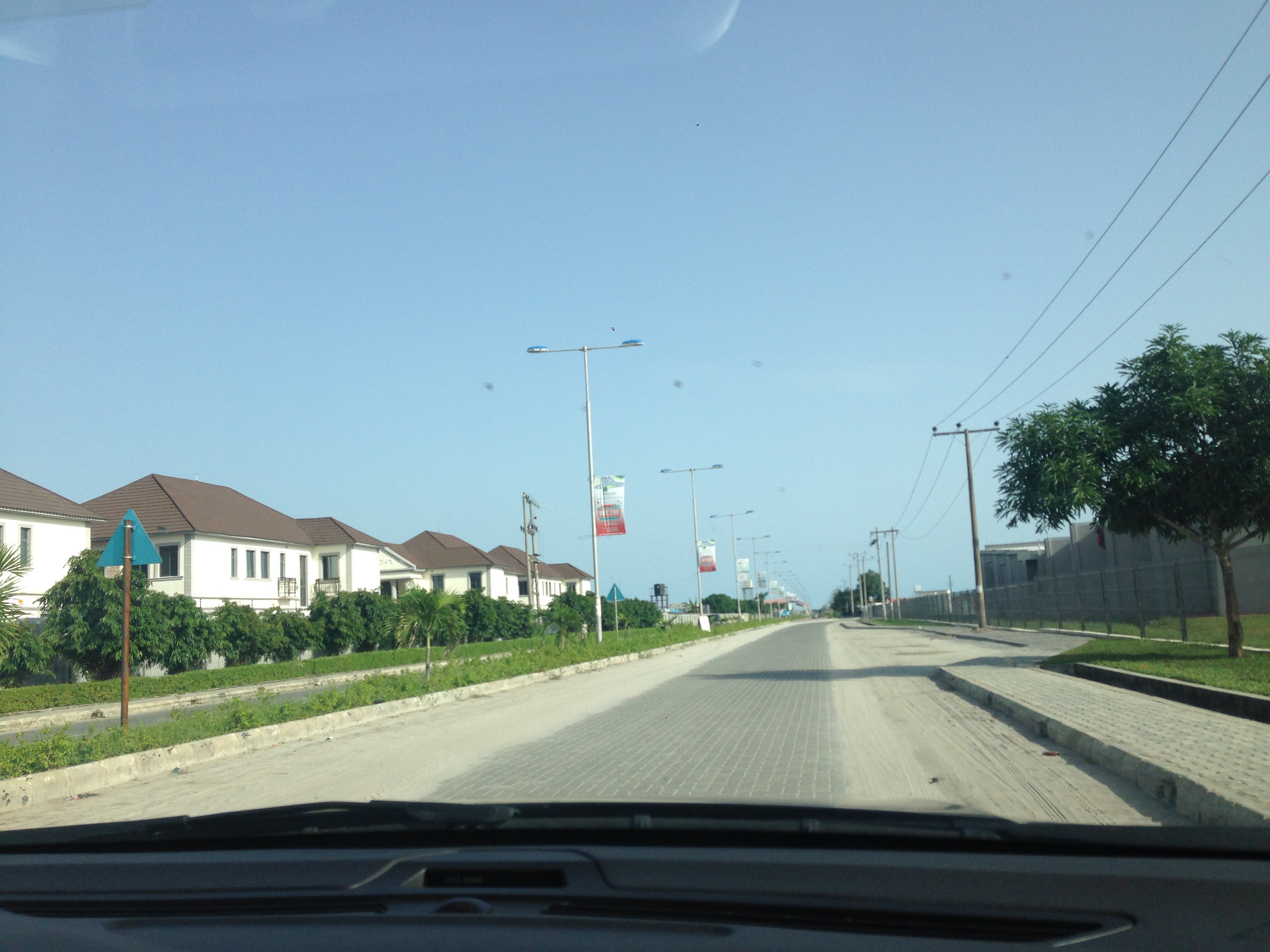

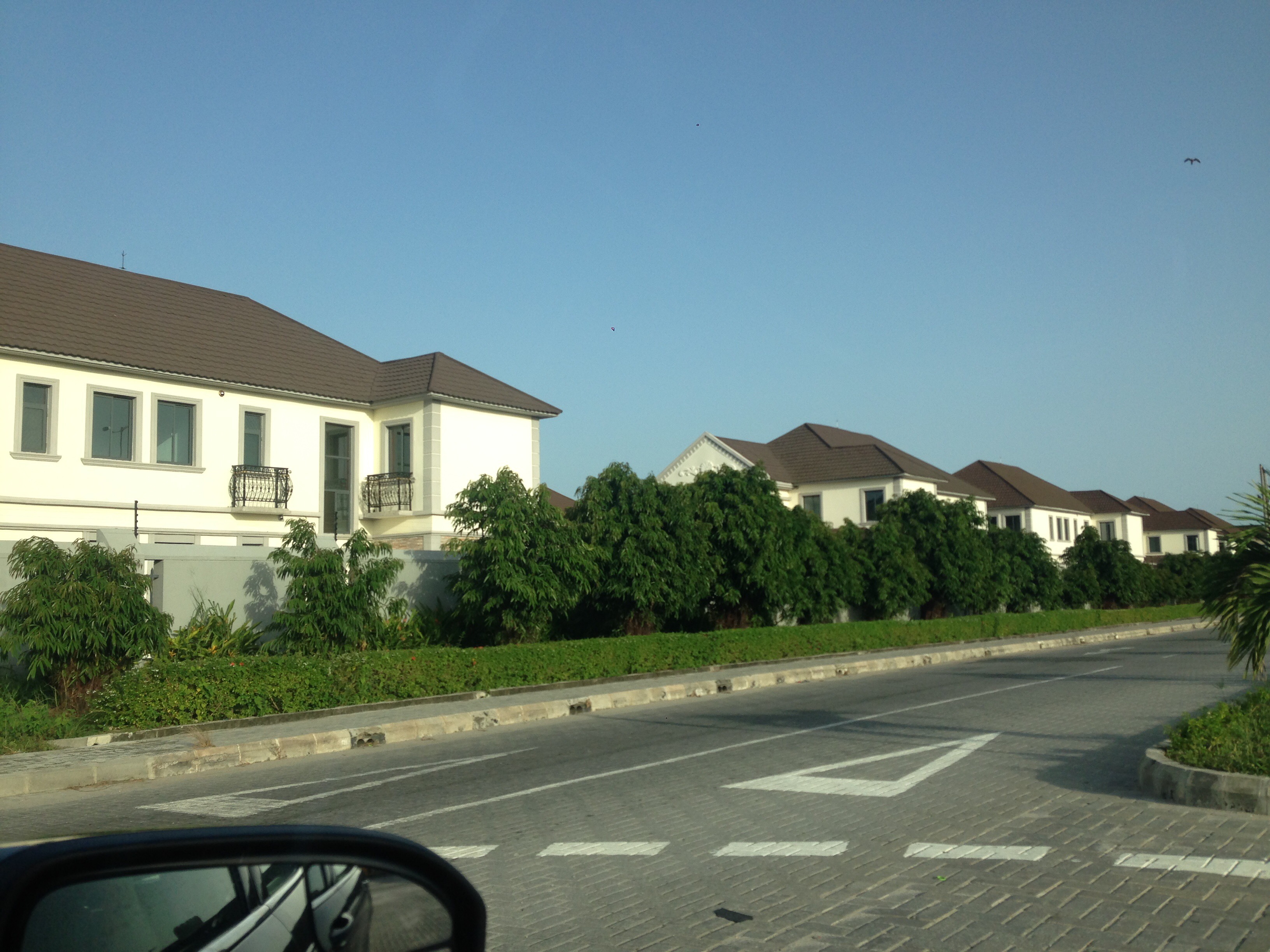
Above: Cardinal Anthony Olubunmi Okogie Rd, what appears to be the first clear new masterplan axis from Lekki express down to the ocean. Road with not welcoming any pedestrian or public transport movement with particularly luxurious estates ( either under construction or just finished, some Chinese-built) and a monastery on its sides.
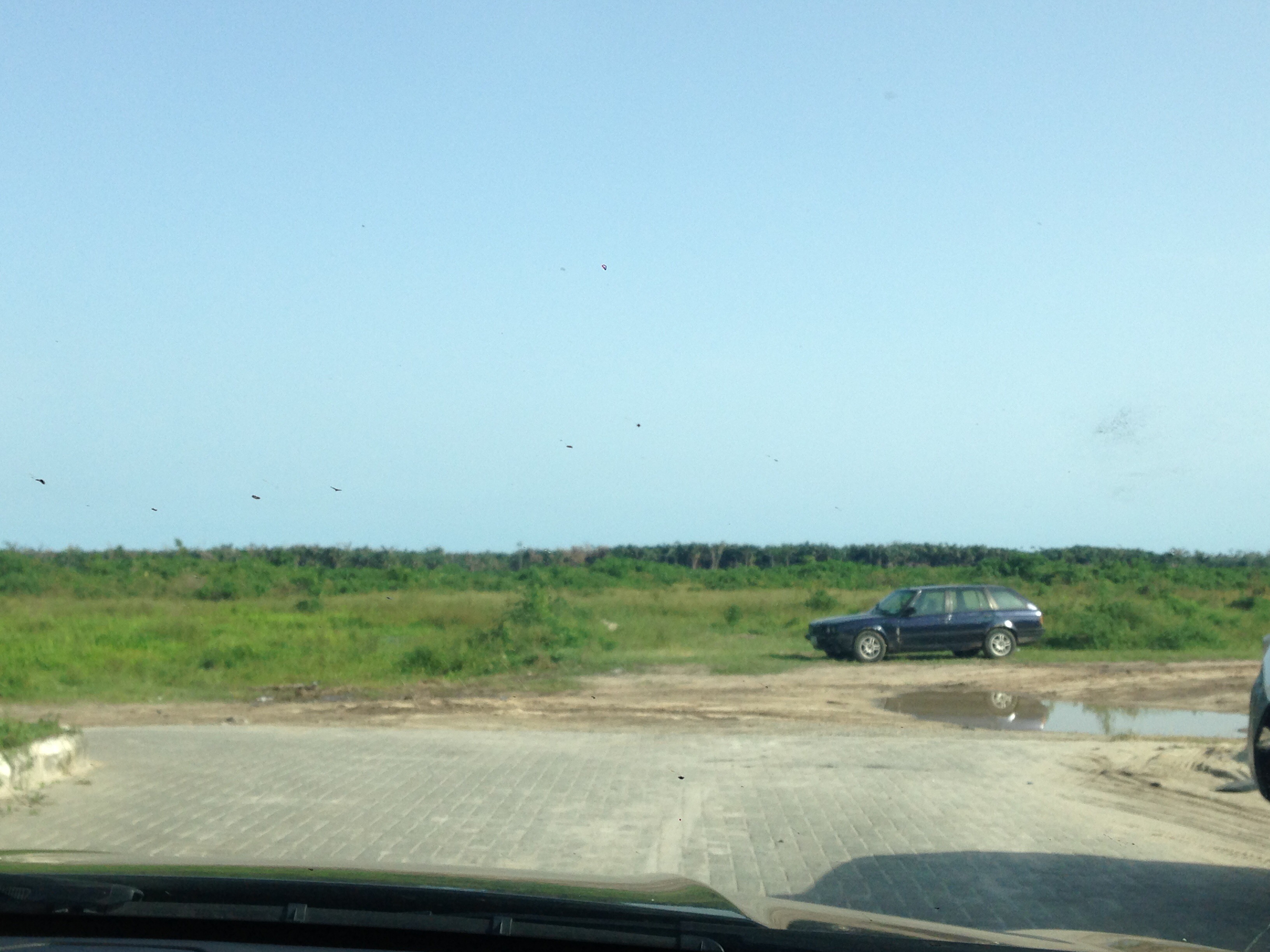
Road finishes abruptly running into a forest, behind which there is the ocean.

 no.balsa